
Introduction
Most people only think about how to clean a dishwasher when something goes wrong. A smell that will not shift, cloudy glasses, or dishes coming out still greasy. At that point, it feels like the machine has stopped doing its job.
The reality is simpler. Dishwashers need cleaning just like any other kitchen appliance. Food residue, detergent, and limescale build up quietly over time. This article explains how to clean a dishwasher properly, using methods that actually work in everyday homes, not just in theory.
Why a dishwasher needs cleaning
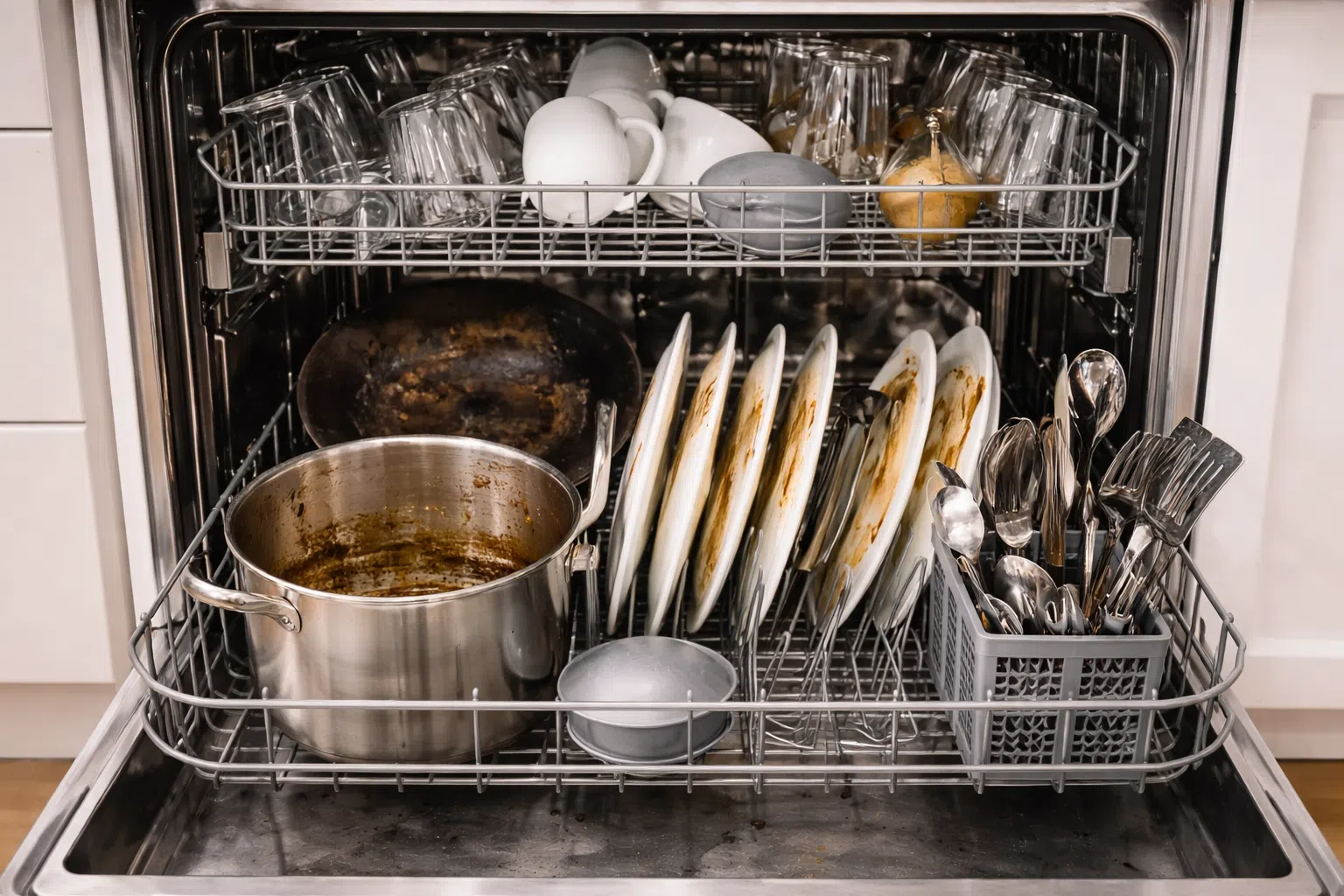
A dishwasher handles dirty dishes every day, but it does not magically stay clean itself. Food scraps fall to the bottom, grease sticks to the inside, and detergent residue slowly coats parts you never see.
The filter is usually where problems start. Bits of food collect there, water flow reduces, and smells creep in. Around the door is another common trouble spot. It stays damp, collects grime, and is often missed completely.
When a dishwasher smells or stops cleaning well, it is rarely broken. It is usually just overdue a proper clean.
How often should you clean your dishwasher?
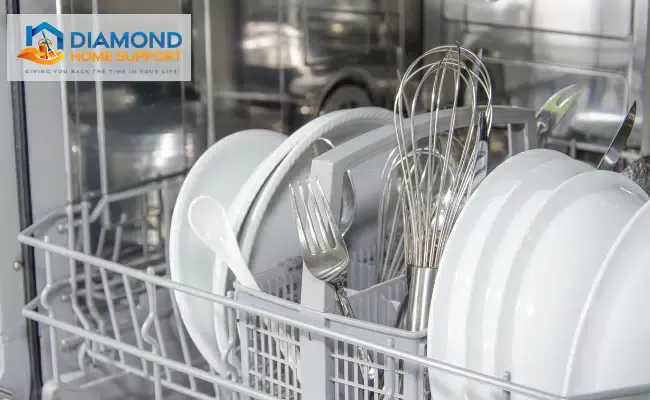
People often ask how often should you clean a dishwasher. For most households, a light clean once a month is enough to keep things under control.
A deep clean every two to three months is useful if you use the dishwasher regularly or live in a hard water area. This helps prevent limescale, grease, and unpleasant odours from developing.
What you need before you start
You do not need many products to clean your dishwasher effectively.
Most homes already have what is needed:
-
White vinegar or distilled white vinegar
-
Baking soda
-
Washing-up liquid or mild detergent
-
A damp cloth
-
An empty dishwasher
These simple items are enough to clean the inside and outside of the appliance safely.
How to clean a dishwasher step by step
This way to clean a dishwasher covers the key areas that cause problems if they are ignored.
Remove and clean the dishwasher filter
The filter is one of the most important parts to clean. Most dishwashers have a filter at the bottom that traps food particles and prevents blockages.
Remove the filter by twisting or lifting it out. Rinse it under warm water and use soapy water to loosen grease. If food is stuck in the filter, use a soft brush or cloth to gently remove it. This step alone can improve performance and reduce dishwasher smell.
Once clean, replace the filter securely so it sits flat at the base of the dishwasher.
Clean the spray arms
The spray arms distribute water around the inside of your dishwasher. Small holes can become blocked with food particles or limescale.
Remove the spray arms if possible and rinse them under the tap. Check each hole and clear any debris. This helps the dishwasher clean dishes more evenly during each wash cycle.
Clean the inside of your dishwasher
To clean the inside, place a bowl of white vinegar on the top rack of the empty dishwasher. Run a hot water cycle without dishes. This dishwasher and run a hot cycle helps break down grease and mineral build-up.
Once the cycle with vinegar is complete, sprinkle a cup of baking soda across the bottom of the dishwasher and run a short hot cycle. Using vinegar and baking soda at separate stages helps deodorise and leaves the dishwasher sparkling clean.
Do not mix baking soda and vinegar together at the same time.
Clean around the door and seals
The area around the door often collects grease, soap scum, and residue. Wipe around the door, seals, and edges with a damp cloth dipped in soapy water.
Pay attention to corners where build-up can hide. This helps prevent a smelly dishwasher and keeps the appliance clean.
How to clean the outside of your dishwasher
Cleaning the outside of the dishwasher matters too, especially for built-in appliances in kitchens.
Use a damp cloth and mild detergent to wipe the outside of your dishwasher. For stainless steel finishes, wipe in the direction of the grain to avoid streaks. Avoid abrasive cleaners that can damage the surface.
Vinegar, baking soda, and dishwasher cleaners
Many people ask about cleaning a dishwasher with vinegar and baking soda. Used correctly, both are effective.
White vinegar helps dissolve grease and limescale. Baking soda helps neutralise odours and remove light residue. But don't mix the two - use them separately in different wash cycles. A dishwasher cleaner can also be used if you prefer a ready-made option, but it is not essential.
Avoid using bleach unless the manufacturer specifically allows it, as it can damage seals and internal parts.
How to keep your dishwasher clean going forward
Keeping your dishwasher clean does not require much effort once a routine is in place.
Rinse heavy food from plates before loading them into the dishwasher. Check the filter regularly and remove any leftover food. Run an empty dishwasher with vinegar every few months if needed.
These small steps help keep your dishwasher running efficiently and delivering the best results.
Common mistakes to avoid
Some habits can cause problems over time.
Avoid overloading dishes inside the machine, skipping filter cleaning, or relying on strong chemicals. These can lead to build-up, poor cleaning, and unpleasant smells.
Final thoughts
Cleaning a dishwasher is not complicated, but it does need doing from time to time. Ignoring it usually leads to smells, poor results, and the impression that the appliance is failing when it is not.
A little routine maintenance goes a long way. Clean the filter, wipe the seals, and run an empty hot cycle occasionally. Do that, and your dishwasher will stay cleaner, work better, and last longer without drama.
For broader tips on keeping appliances and surfaces spotless, see our kitchen cleaning articles.
Frequently Asked Questions
How often should you clean a dishwasher?
For most households, a light clean once a month is enough. If the dishwasher is used daily or you live in a hard water area, a deeper clean every two to three months helps prevent smells and build-up.
Can you clean a dishwasher with vinegar and baking soda?
Yes, but they work best in separate steps. Vinegar helps break down grease and limescale during a hot cycle. Baking soda is useful afterwards to freshen and lift residue. Do not mix them together at the same time.
Is it safe to use bleach in a dishwasher?
Bleach is rarely needed and can damage seals and internal parts on some models. Only use it if the manufacturer specifically allows it, and never mix it with other cleaning products.
Why does my dishwasher still smell after cleaning?
A lingering smell usually means food debris is trapped in the filter, around the door seals, or in hidden edges. These areas often need wiping by hand, even after a hot cleaning cycle.
Does running a dishwasher empty actually clean it?
Running an empty hot cycle helps, but it only works properly if the filter and seals are clean first. An empty cycle alone will not remove trapped food or greasy build-up.