
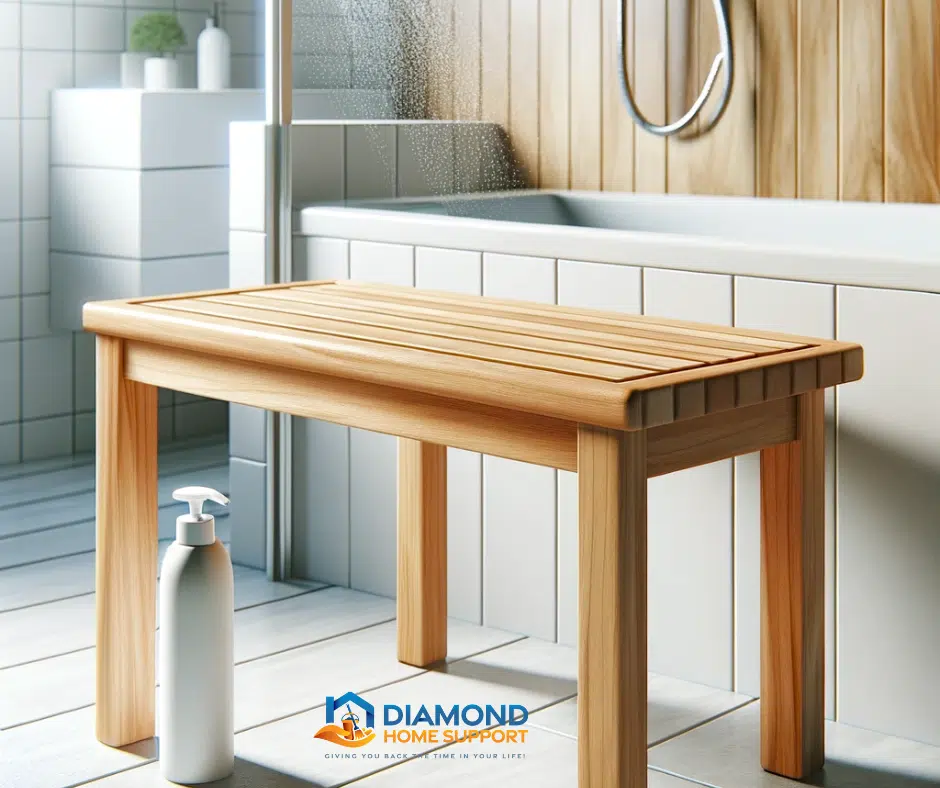
How to Clean a Shower Bench (Including Teak Benches)
Welcome to our comprehensive guide on how to clean a shower bench. Keeping your shower bench clean is not only essential for the overall hygiene of your bathroom but also extends the life of the bench. Regular cleaning is recommended, and this guide will walk you through every step of the process. We have also specifically answered how to clean a teak shower bench in this article too.

Materials Needed
Before you begin, gather the following cleaning supplies:
- Non-abrasive cleaners (such as a vinegar-water solution or a gentle bathroom cleaner)
- Soft-bristled brush or sponge
- Microfibre cloth
- Rubber gloves
- Non-slip shoes (for safety in a wet environment)
Preparation Steps
Start by removing any items from around your shower bench. This makes it easier to access all parts of the bench. Give the bench a preliminary rinse with warm water to wash away any loose dirt or debris.
Cleaning Process
- Applying Cleaner: Apply your chosen cleaner generously over the surface of the shower bench. If you're using a spray, ensure even coverage.
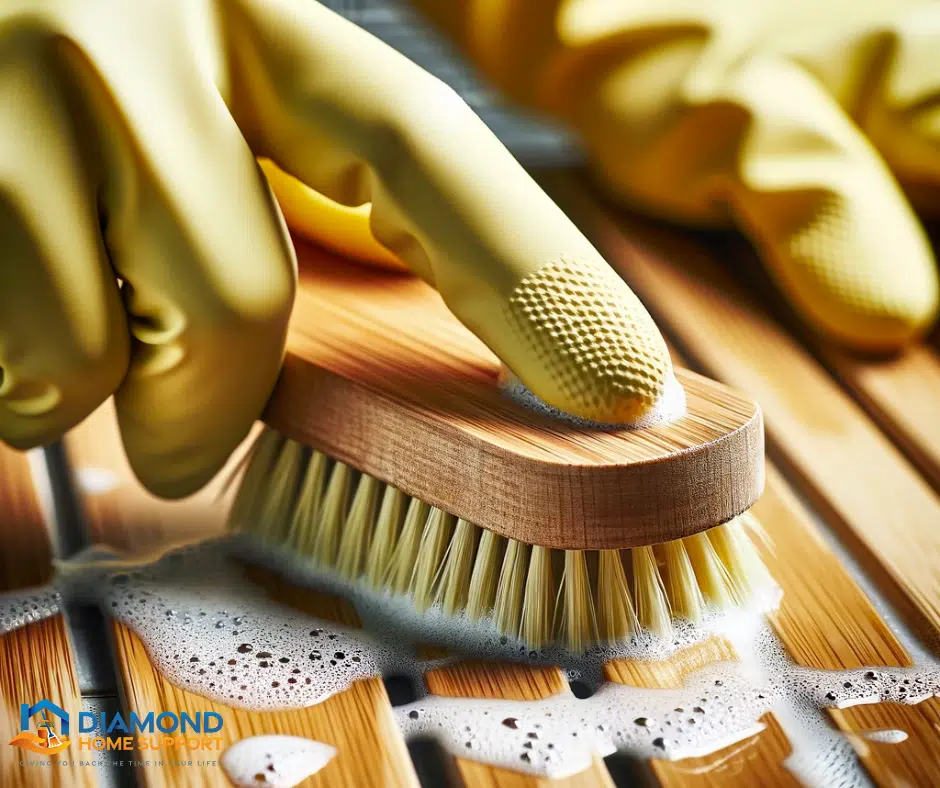
- Scrubbing: Use a soft-bristled brush or sponge to gently scrub the bench. Focus on areas where dirt and grime tend to accumulate, such as corners and undersides.
- Stubborn Stains and Mould: For tougher stains or mould spots, you might need to let the cleaner sit for a few minutes. In severe cases, consider using a specialised mould and mildew remover.
Rinsing and Drying
After scrubbing, rinse the bench thoroughly with clean water. Ensure that all traces of the cleaner are washed away to prevent any residue. Use a microfibre cloth to dry the bench completely, which helps prevent water spots and bacterial growth.
Maintaining a Clean Shower Bench
To keep your shower bench clean with minimal effort:
- Wipe down the bench after every use to prevent water spots and mildew.
- Consider using natural cleaning solutions like a vinegar-water mix for a quick daily clean.
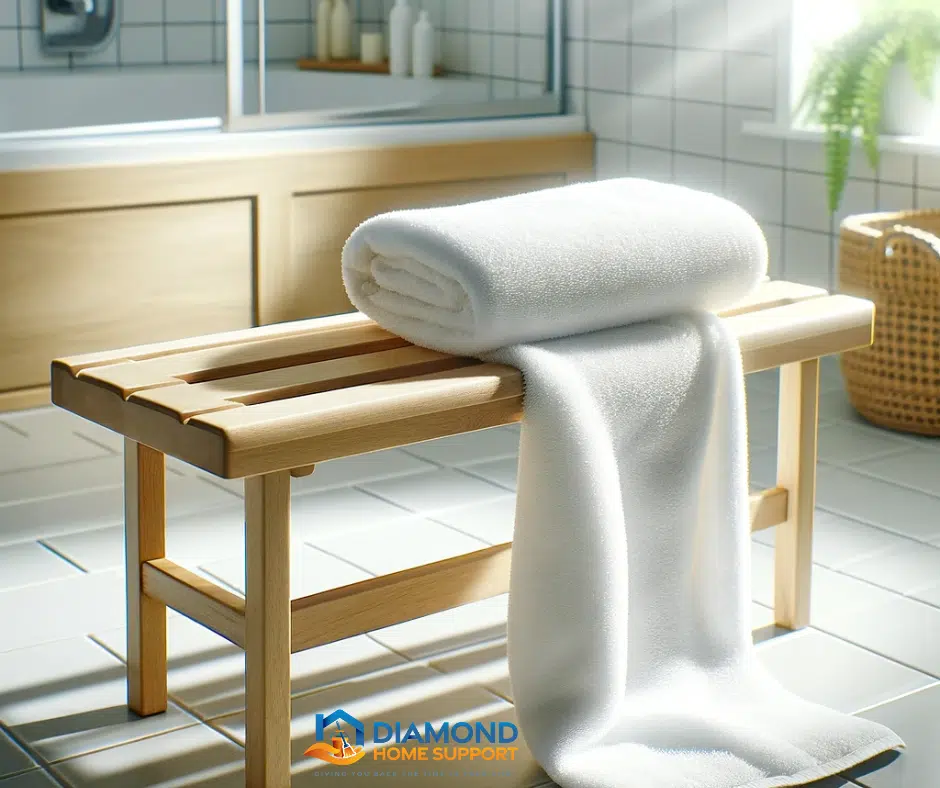
How to Clean a Teak Shower Bench
Teak, known for its durability and natural resistance to moisture and mildew, is a popular material for shower benches. However, it still requires proper care to maintain its appearance and longevity. Here’s how to clean a teak shower bench effectively:
1. Gather Your Supplies:
- Mild dish soap or a teak cleaner
- Soft-bristled brush or sponge
- Clean, soft towels
- Teak oil (optional, for finishing)
2. Prepare the Bench:
- Start by removing any items from the bench.
- Rinse the bench with water to remove loose dirt and debris.
3. Cleaning Process:
- Mix a few drops of mild dish soap in a bucket of warm water. If using a teak cleaner, follow the manufacturer’s instructions.
- Dip a soft-bristled brush or sponge into the cleaning solution.
- Gently scrub the surface of the bench in the direction of the wood grain. Pay special attention to any stains or areas with mildew.
- For tough stains, you can make a paste of baking soda and water and apply it to the stained area. Let it sit for a few minutes before scrubbing gently.
4. Rinsing:
- After scrubbing, rinse the bench thoroughly with clean water to remove any soap residue.
- Avoid leaving any standing water on the surface of the teak.
5. Drying:
- Use a clean, soft towel to dry the bench.
- Allow the bench to air-dry completely.
6. Optional Finishing:
Once the bench is dry, you may apply a teak oil to enhance its colour and provide additional protection. This step is optional and should be done according to the product’s instructions and your personal preference.
7. Regular Maintenance:
To keep your teak shower bench in top condition, clean it regularly following these steps.
Additionally, avoid using harsh chemicals or abrasive brushes that can damage the teak’s natural oils.
By following these steps, you can ensure that your teak shower bench remains clean, beautiful, and durable for years to come.
Conclusion
A clean shower bench is important for a hygienic bathroom environment. By following these simple steps, you can easily maintain your bench and ensure it stays clean and inviting. Remember, regular maintenance is key!
Frequently Asked Questions about Cleaning a Shower Bench
1. How often should I clean my shower bench?
It's recommended to clean your shower bench at least once a week to prevent mould and mildew buildup. However, wiping it down after every use can significantly reduce the need for heavy cleaning.
2. Can I use bleach to clean my shower bench?
While bleach is effective against mould and mildew, it can be harsh on some materials. Always check the manufacturer's recommendations for your specific bench type. If using bleach, dilute it properly and ensure the area is well-ventilated.
3. Are natural cleaners effective for shower bench cleaning?
Yes, natural cleaners like a vinegar and water solution can be effective, especially for regular maintenance cleaning. They are a great alternative for those seeking eco-friendly options.
4. How do I remove stubborn mould from my shower bench?
For stubborn mould, apply a mould and mildew remover or a mixture of baking soda and water to create a paste. Apply it to the mould spots, let it sit for a few minutes, then scrub gently and rinse thoroughly.
5. Is it necessary to dry the shower bench after cleaning?
Yes, drying the bench after cleaning is crucial to prevent water spots and the growth of bacteria and mildew. A microfibre cloth is ideal for this purpose.
6. Can abrasive cleaners be used on a shower bench?
It's best to avoid abrasive cleaners as they can scratch and damage the surface of your bench. Stick to non-abrasive cleaners and soft brushes or sponges.
7. What should I do if my shower bench has water stains?
Water stains can often be removed with a mixture of vinegar and water. Apply the solution, let it sit for a few minutes, then wipe it off with a clean cloth.
8. How can I prevent my shower bench from getting dirty quickly?
Regularly wiping down the bench after each use is the best way to prevent the quick buildup of dirt and grime. Also, ensure proper ventilation in your bathroom to reduce moisture accumulation.