
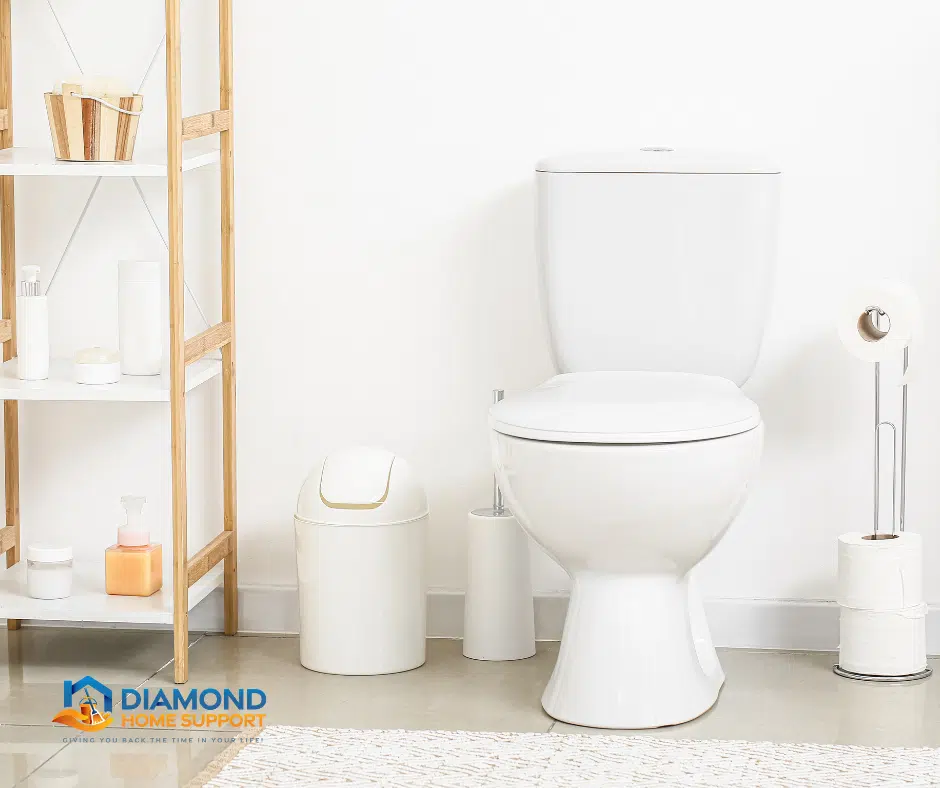
Your Ultimate Guide on How to Clean a Toilet Brush
We all know that maintaining a clean and hygienic bathroom is important for a healthy home. One often overlooked item is the toilet brush, a tool essential for keeping toilets clean. However, have you ever thought about cleaning the brush itself?
If not cared for properly, it can become a breeding ground for germs. This guide will explore various methods to clean your toilet brush, including how to tackle tough stains, clean without bleach, and ensure the brush holder is also kept clean.
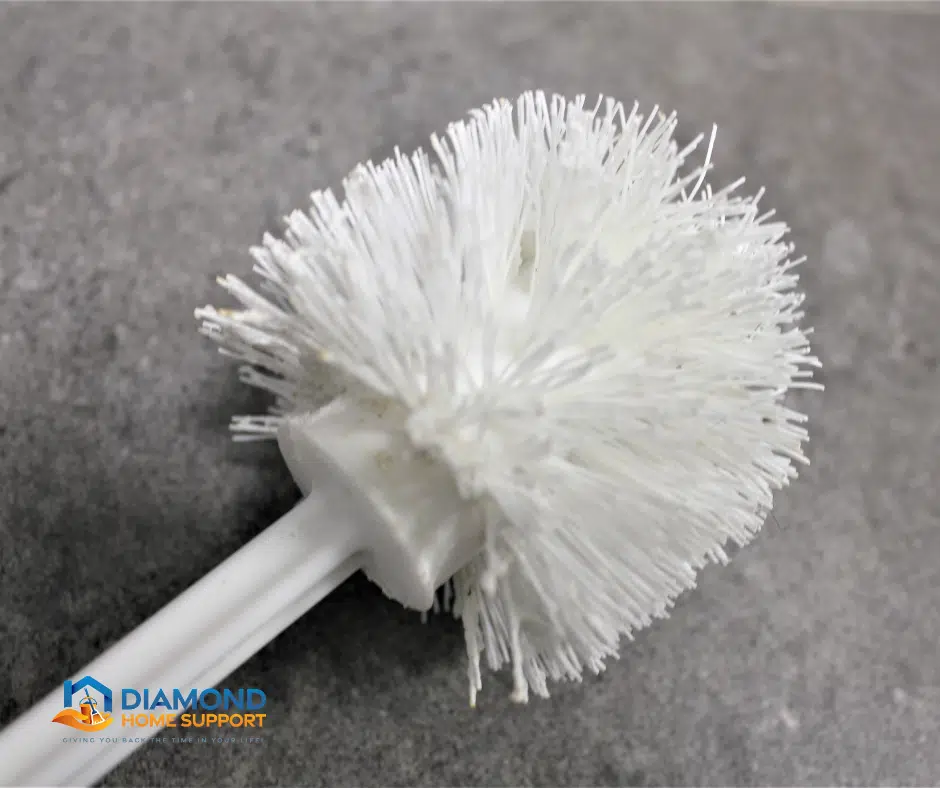
Step-by-Step Guide: How to Clean and Disinfect a Toilet Brush
Step 1: Preliminary Rinse
After using the toilet brush, rinse it under a flushing toilet. This step removes the initial dirt and debris, making the deep cleaning process more effective.
Step 2: Prepare Cleaning Solution
In a large bucket or container, prepare a disinfectant solution. You can use a commercial disinfectant or a mixture of hot water with bleach. If you want to avoid bleach, a mix of hot water and white vinegar or baking soda works well too.
Step 3: Submerge the Brush
Fully submerge the toilet brush into the solution. Ensure that all bristles are covered. For a thorough clean, the brush should soak for at least 30 minutes to an hour. This allows the disinfectant to get to work on killing bacteria and removing stains.
Step 4: Scrub the Brush (If Needed)
If the brush has stubborn stains or residues, use an old toothbrush or a small scrubbing brush to gently scrub the bristles. Pay special attention to the areas with the most buildup.
Step 5: Rinse Thoroughly
After soaking, rinse the toilet brush again under a flushing toilet. Ensure that all traces of the cleaning solution are washed away.
Step 6: Dry the Brush
Shake off excess water and place the toilet brush handle under the toilet seat, and leave the brush extended over the toilet bowl to drip into the toilet and dry. It's important that the brush is completely dry before its next use to prevent the growth of mould and bacteria.

How to Keep a Toilet Brush Clean
Regular maintenance is key to keeping your toilet brush clean. After each use, rinse the brush under a flushing toilet. Monthly, fill a container with hot water and add a disinfectant. Submerge the brush head for about 30 minutes, then rinse and let it dry. This routine prevents the buildup of bacteria and keeps the brush ready for its next use.
Tackling Tough Stains: How to Clean a Toilet Brush with Faecal Matter on It
Occasionally, your toilet brush might get stained, especially with faecal matter. To clean it effectively, first rinse off as much waste as possible. Then, prepare a solution of hot water mixed with a strong disinfectant or a toilet cleaner. Soak the brush for an hour, ensuring the entire head is submerged. After soaking, rinse the brush thoroughly with hot water. For stubborn stains, repeating this process or using a brush to scrub the bristles may be necessary.
Bleach-Free Cleaning: How to Clean a Toilet Brush Without Bleach
If you prefer to avoid bleach, there are several effective alternatives you can try. White vinegar is a great natural disinfectant. Mix equal parts of vinegar and hot water in a container and soak the brush for 30 minutes. Another option is baking soda; add half a cup to hot water for a gentle yet effective clean. Essential oils like tea tree or eucalyptus can be added for their antibacterial properties and a fresh scent.
Maintaining the Holder: How to Clean a Toilet Brush Holder
The holder can harbour as many germs as the brush itself. To clean it, empty any standing water and wash it with hot soapy water. For sanitising, you can use the same solutions suggested for the brush. Make sure to clean the holder regularly, ideally every time you clean the brush.

5 Tips to Help Your Toilet Brush and Holder Last Longer
- Rinse After Every Use: Always rinse your toilet brush under a flushing toilet after each use. This simple step helps remove debris and prevent buildup, keeping the bristles in better condition.
- Disinfect Regularly: Soak the brush in a disinfectant solution every month. This practice not only keeps the brush clean but also extends its lifespan by preventing the growth of bacteria and mould.
- Ensure Proper Drying: After cleaning and rinsing, allow the brush to dry completely before placing it back in the holder. Proper drying prevents moisture accumulation, which can lead to bacterial growth and unpleasant odours.
- Clean the Holder Too: Don't forget about the holder. Clean and sanitise the holder regularly as it can harbor germs just as much as the brush. Ensuring both the brush and its holder are clean enhances overall bathroom hygiene.
- Avoid Harsh Chemicals: While it's important to keep your toilet brush clean, avoid using harsh chemicals that can degrade the bristles and the holder’s material. Opt for mild disinfectants that are effective yet gentle on the materials of your toilet brush and holder.
When to Replace a Toilet Brush
Knowing when to replace a toilet brush is important for maintaining bathroom hygiene. Generally, a toilet brush should be replaced every six months, but this can vary based on usage and the brush's condition.
Signs that indicate it's time for a new toilet brush include noticeable wear and tear on the bristles, such as fraying or flattening, which reduces the brush's cleaning effectiveness. If the brush or its holder starts to develop a persistent unpleasant odour or visible mould and mildew, it's definitely time for a new one, as these are signs of bacterial buildup.
Additionally, if the brush has been used to clean up a particularly severe mess or has come into contact with chemicals that could degrade its materials, it should be replaced sooner. Regularly assessing the condition of your toilet brush and replacing it when necessary is an important step in keeping your bathroom clean and sanitary.
Conclusion
A clean toilet brush is vital for bathroom hygiene. By following these simple and effective methods, you can ensure that your toilet brush and holder remain sanitary, contributing to a healthier and cleaner bathroom environment. Regular maintenance and the use of appropriate cleaning solutions will keep your toilet brush in top condition, making your bathroom cleaning routine more efficient and hygienic.
Frequently Asked Questions on How to Clean a Toilet Brush
1. How often should you clean a toilet brush?
It's recommended to clean your toilet brush after every use. Dry the brush thoroughly to prevent bacteria growth.
2. What is the best way to clean and maintain a toilet brush?
To clean a toilet brush, start by filling a container with hot water and adding some bleach or disinfectant. Then place the brush in and let it soak for a few hours. After soaking, rinse the brush and the holder under hot water and allow them to air dry.
3. How do I disinfect a toilet brush?
To disinfect a toilet brush, you can submerge the brush and the holder in a mixture of water and vinegar. Let the brush soak for at least an hour to ensure thorough disinfection.
4. Can I use a cleaner to clean a toilet brush?
You can use a cleaner specifically designed for toilet cleaning to clean your toilet brush. Spray the brush with the cleaner, let it sit for a few minutes, and then rinse it with clean water.
5. How to keep germs at bay when cleaning the toilet brush?
To keep germs at bay when cleaning the toilet brush, make sure to fully submerge the toilet brush in a disinfectant solution. This will help eliminate any germs or bacteria that may be present on the brush.
6. What is a deep clean for a toilet brush?
A deep clean for a toilet brush involves submerging the brush in a bleach or vinegar solution for an extended period, such as an hour or so. This thorough soak will ensure that the brush is completely disinfected