
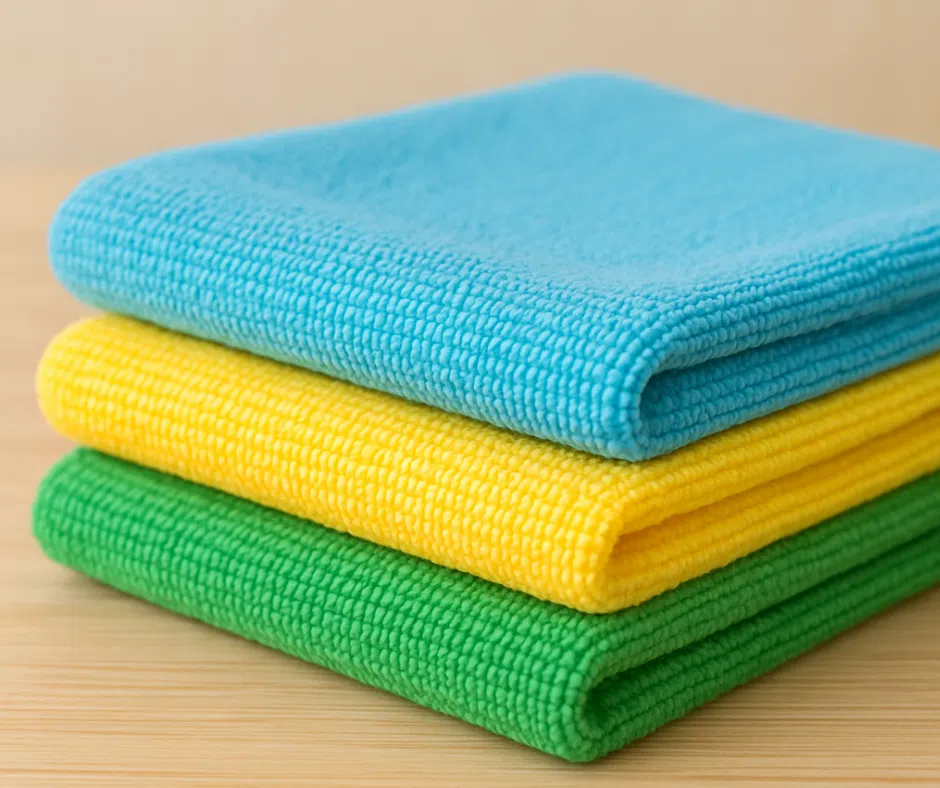
What Makes Microfibre Cloths So Good?
Short Summary
Microfibre cloths and towels are brilliant for cleaning because they use ultra-fine synthetic fibres—mainly polyester and polyamide—split into millions of tiny strands. These fibres create a massive surface area that traps dust, dirt, and even germs through mechanical action, electrostatic attraction, and capillary absorption. Unlike traditional cleaning cloths, microfibre cloths don’t just move dirt around—they lock it in, often needing only water to work wonders.
Why a Microfibre Cloth or Towel Is Good for Cleaning
Let’s be honest: a microfibre cloth doesn’t look like much at first glance. But looks can be deceiving! It’s like having millions of tiny hands grabbing grime, dust, and bacteria while you sit back and relax (well, almost). Thanks to the unique construction of microfibres, these cleaning cloths are small but mighty. If you’re looking for the best cleaning hack that doesn’t involve a trolley full of chemical sprays, you’ve just found it.

What Are Microfibre Cloths Made Of?
Microfibre cloths are made using a blend of polyester and polyamide (that’s nylon to you and me). Each fibre is incredibly fine—much thinner than the diameter of a human hair. Technically, anything thinner than one denier (the measurement of fibre thickness) counts as a microfibre. These fibres are spun, woven, and split, creating millions of split microfibres that act like little scrubbing brushes.
How Microfibre Cloths and Towels Trap Dust, Dirt, and Germs
The secret to microfibre cleaning cloths lies in the split fibre structure. Think of the fibres as tiny wedges or hooks. As you wipe a surface, these wedges pick up and trap dust, dirt, oils, and even a variety of germs.
Here’s the cool science part:
-
Electrostatic attraction: When dry, microfibre generates a static charge that pulls in dust and lint.
-
Capillary action: When wet, the spaces between fibres create strong capillary forces that suck up liquids and grime like a straw.
This means you often don’t need chemical cleaning solutions—just water to clean!
Why Microfibre Towels Are More Absorbent Than Cotton Cloths
Compared to traditional cotton cloths, microfibre towels are far more absorbent and effective. Cotton fibres are round and fat, which means they often push dust and dirt around instead of picking it up. Microfibres, with their split design and massive surface area, pick up and hold dirt and liquids brilliantly. A good quality microfibre towel can hold up to six times its weight in water! It’s perfect for cleaning surfaces streak-free and leaving windows and mirrors gleaming.
Types of Microfibre Towels and Cleaning Cloths: Choosing the Best Microfibre
Not all microfibre towels are created equal. Here’s a breakdown of the different types of microfibre you might encounter:
-
Low GSM towels (200–250 GSM): Lightweight, good for general wiping and quick-drying needs.
-
Medium GSM towels (250–350 GSM): Best microfibre towels for regular household cleaning, dusting, and drying.
-
High GSM towels (350–450+ GSM): Thicker, softer towels ideal for glass cleaning, polishing, and drying delicate surfaces.
GSM stands for grams per square metre, which measures the density of the towel. Higher GSM means more fibres, more absorbency, and more cleaning power.
Microfibre Glass Cleaning: How to Get Streak-Free Windows and Mirrors
Glass cleaning is one of those jobs where the right tool makes all the difference. Microfibre cloths for glass cleaning are smoother and tighter woven than plush towels. They remove fingerprints, grime, and watermarks without leaving lint behind.
Tip: Use a slightly damp microfibre cleaning cloth first to wipe, then a dry one to buff the surface to perfection.
Why Microfibre Cleaning Cloths Are Perfect for Reusable Cleaning Methods
One of the best things about microfibre cleaning cloths is that they’re reusable. Unlike disposable cleaning products or paper towels, you can wash and reuse microfibre towels hundreds of times. This makes them a greener choice for cleaning and disinfecting, helping to reduce waste while still keeping your home spotless.
How to Clean Microfibre Cloths and Towels Properly
To keep your microfibre cleaning cloths performing at their best, you need to clean them correctly.
Here’s what you should do:
-
Wash separately. Microfibres love lint-free conditions.
-
No fabric softener! It coats the fibres and ruins their absorbency.
-
Use mild detergent. Harsh chemicals can break down the fibres.
-
Air dry or tumble dry on low. High heat damages the fine synthetic fibres.
Proper washing extends their lifespan and keeps their dust-grabbing powers intact.
Cleaning Surfaces: Why Microfibre Cloths Are So Good for Hygiene
Microfibre cloths don’t just move dirt; they actually pick up and hold grime and germs inside the split fibres. Studies show that a microfibre towel can remove up to 99% of bacteria from surfaces using just water to clean.
This makes them a cleaner, safer choice for hygiene-focused cleaning methods around the house, from kitchens to bathrooms.
Fun Facts About Microfibre Cleaning Cloths
-
Microfibre is used in sportswear because it wicks away sweat faster than you can say ‘treadmill’.
-
Premium microfibre towels are used by professional car detailers for that perfect scratch-free shine.
-
Some microfibre towels are so absorbent they are marketed as “drying towels” and can replace rolls of paper towels in a cleaning business.
-
NASA has used microfibre technology in space missions! Out of this world, right?
Conclusion: Why Microfibre Cloths Are So Good
In the battle of cleaning products, microfibre cloths and towels stand tall. Their split fibre design, massive surface area, and incredible absorbency mean they can pick up and trap dirt, dust, germs, and grime far better than traditional cotton cloths. Plus, they’re reusable, eco-friendlier, and perfect for everything from glass cleaning to wiping down dusty shelves. Treat them well with proper washing and drying methods, and your microfibre towels will be your cleaning superheroes for years to come.
FAQ About Microfibre Cloths and Towels
What is a microfibre cloth made of?
A microfibre cloth is typically made from a blend of polyester and polyamide (nylon). These fibres are split into millions of tiny strands, making the cloth super absorbent, excellent for cleaning surfaces, and able to trap dust and even germs.
Are microfibre towels better than cotton towels for cleaning?
Yes! Microfibre towels are far more absorbent than cotton. Thanks to their split fibres, microfibre cleaning cloths can pick up and hold dirt, grime, and moisture rather than just pushing it around like traditional cotton cloths often do.
How often should you wash microfibre cleaning cloths?
Ideally, you should wash your microfibre cleaning cloths after every heavy use or at least once a week during regular cleaning. Proper washing ensures that the fibres stay unclogged and maintain their ability to pick up and trap dust, dirt, and germs effectively.
Can you use microfibre towels for glass cleaning?
Absolutely! In fact, using microfibre cloths for glass cleaning is one of the best methods for achieving a streak-free finish. A tightly woven microfibre glass cloth easily removes smudges and dust without leaving behind lint or streaks.
What’s the difference between different types of microfibre towels?
The main difference between the types of microfibre towels is their GSM (grams per square metre), weave pattern, and purpose. High-GSM towels are thicker and better for delicate surfaces, while low-GSM towels are lightweight and ideal for everyday cleaning methods like dusting and wiping.