Professional Cleaning Tips For Bathrooms
Professional cleaning tips for bathrooms focus on method, not just effort. The difference is working top to bottom, allowing products time to work, targeting limescale before general wiping, and drying surfaces properly to prevent streaks and mould. These professional cleaning tips for bathrooms will help you clean more efficiently, improve hygiene, and maintain results for longer.
Bathrooms are high-moisture environments. Hard water, soap residue and poor ventilation create ideal conditions for limescale, mould and bacteria. A professional approach prevents build-up rather than reacting to it.
1. Always Clean from Top to Bottom
Professionals start high and work down. Light fittings, shelves and tiles first. Floors last.
Why it works. Dust and debris fall as you clean. Working downward prevents recontaminating areas already cleaned.
Common mistake. Cleaning the floor first and then splashing it again while wiping the sink.
2. Allow Cleaning Products to Dwell
One of the most overlooked professional cleaning tips for bathrooms is contact time.
Spray surfaces and leave the product to work for several minutes before wiping. This breaks down soap scum and bacteria properly.
Common mistake. Spraying and immediately wiping away before the product has done anything.
3. Remove Limescale Before General Cleaning
In many UK homes, hard water leaves mineral deposits around taps, shower screens and toilets.
Professionals tackle limescale first using the correct descaler for the surface. Once removed, general cleaning becomes easier and more effective.
Common mistake. Wiping around limescale instead of removing it properly.
4. Use Microfibre Cloths Correctly
Professionals fold cloths into quarters to create multiple clean sides. Separate cloths are used for toilets and other areas to reduce cross-contamination.
Why it works. Microfibre traps dirt rather than spreading it.
Common mistake. Using one damp cloth for the entire bathroom.
5. Treat Grout as a Separate Task
Bathroom grout traps moisture and dirt. It needs agitation, not just wiping.
Use a small brush to loosen grime before rinsing or wiping away residue.
Common mistake. Ignoring grout until staining becomes permanent.
6. Clean the Toilet in the Right Order
Professional bathroom cleaning follows a system:
-
Flush handle and lid
-
Seat and exterior
-
Base and floor area
-
Bowl interior last
Why it works. This reduces cross-contamination and keeps the dirtiest area until the end.
7. Dry Surfaces After Cleaning
Drying is one of the most important professional cleaning tips for bathrooms.
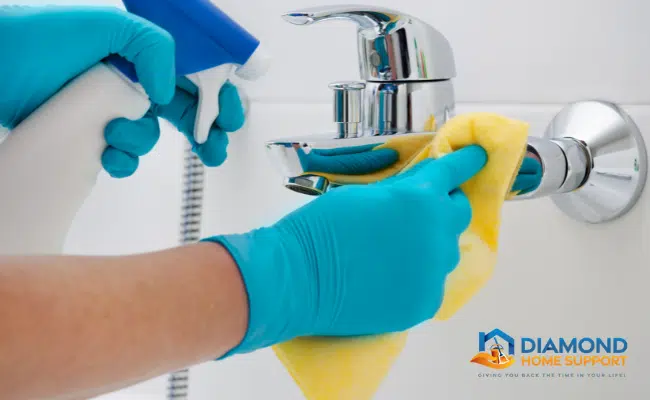
Wipe taps, tiles and shower screens with a dry microfibre cloth after cleaning. This prevents streaks and slows limescale return.
Common mistake. Leaving surfaces wet and assuming the job is finished.
From a professional cleaner's point of view, this is one of the best tips. When customers assess a home after cleaning, they tend to spot shiny surfaces and that reinforces cleanliness.
8. Improve Ventilation as Part of Cleaning
Professionals think beyond visible dirt.
Open windows where possible. Use extractor fans. Reducing moisture slows mould growth and keeps surfaces cleaner for longer.
Common mistake. Cleaning thoroughly but ignoring ongoing damp conditions.
9. Descale Showerheads Regularly
Mineral build-up reduces water pressure and harbours bacteria.
Soaking removable showerheads in descaler periodically keeps performance consistent.
Common mistake. Waiting until spray becomes uneven.
10. Maintain Weekly to Avoid Deep Scrubbing
The final of these professional cleaning tips for bathrooms is prevention.
Light weekly cleaning prevents heavy build-up. Deep scrubbing becomes unnecessary when maintenance is consistent.
Common mistake. Leaving the bathroom for weeks and then facing stubborn staining.
How Professionals Clean Bathrooms Differently
Professional bathroom cleaning is systematic. It is not about using stronger chemicals. It is about:
-
Working in a set order
-
Using correct products for each surface
-
Allowing dwell time
-
Preventing moisture build-up
-
Focusing on maintenance
This structured approach is what keeps bathrooms hygienic long term.
Frequently Asked Questions
How often should a bathroom be professionally cleaned?
High-use family bathrooms benefit from weekly thorough cleaning. Lower-use bathrooms may need less frequent attention but should still be maintained regularly.
What removes limescale fastest?
A dedicated descaler suited to the surface is most effective. Always follow manufacturer guidance and test first.
How do professionals clean bathroom grout?
By applying cleaner, allowing dwell time, then agitating with a small brush before wiping away loosened dirt.
Why does mould keep coming back?
Usually due to moisture and poor ventilation. Cleaning alone does not solve underlying damp conditions.
What is the most hygienic way to clean a toilet?
Clean external surfaces first, then the bowl last, using separate cloths to reduce cross-contamination.
Professional cleaning tips for bathrooms are less about intensity and more about method. When you follow a system, allow products time to work, and dry surfaces properly, results improve noticeably.
Always check manufacturer care labels before using cleaning products on tiles, stone, enamel or specialist finishes. Test a hidden area first and follow product instructions carefully. For delicate or high-value bathrooms, professional home cleaning services may be the safer option.