
Introduction
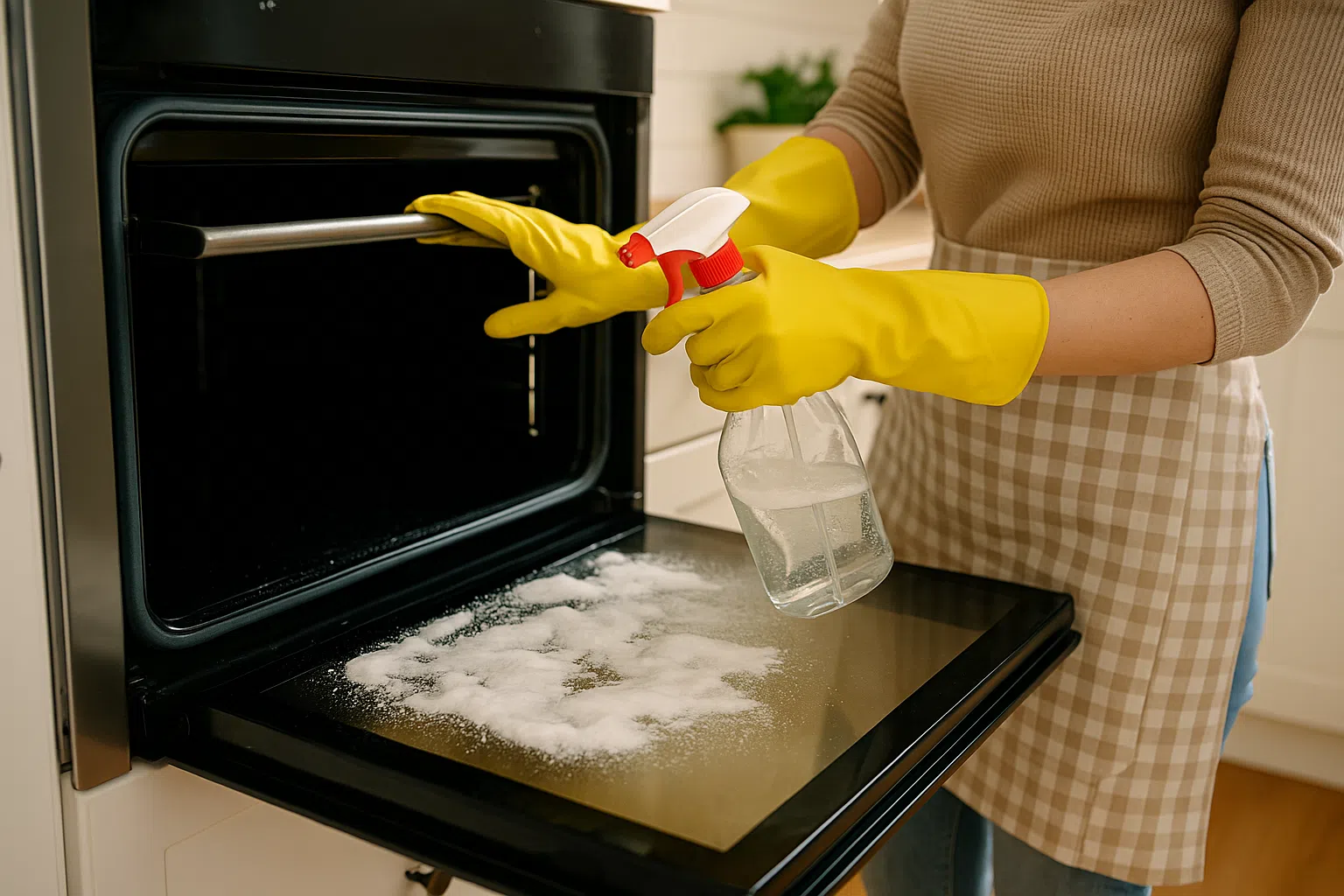
Cleaning your glass oven door without resorting to harsh chemicals isn't only achievable but also beneficial for your health and the environment. Many commercial oven cleaners contain strong substances that can irritate your skin, cause unpleasant odours, and even damage your oven’s finish if used improperly. There are straightforward, natural methods to keep your oven glass sparkling clear while maintaining a healthier indoor atmosphere.
Why Avoid Harsh Chemicals on Oven Glass?
The inside of an oven glass door is exposed to high temperatures and often accumulates stubborn splatters from food spills and grease. Conventional chemical cleaners frequently contain ammonia, bleach, or other aggressive ingredients designed to tackle tough grime quickly. However, these substances can irritate sensitive skin and respiratory systems, especially in poorly ventilated kitchens. Some chemicals may degrade the oven’s glass coating or surrounding seals over time if not thoroughly rinsed off.
Choosing gentler alternatives reduces these risks significantly. Natural cleaning agents tend to be kinder to both your home environment and the planet. They also allow you to clean effectively without worrying about lingering toxic residues or overpowering smells.
What You’ll Need for Chemical-Free Oven Glass Cleaning
Before starting, gather a few common household items that are inexpensive and easy to find. These ingredients work together to break down grime gently yet effectively:
-
- Baking soda: Acts as a mild abrasive that lifts baked-on dirt without scratching the glass surface.
- White vinegar: Cuts through grease naturally and adds a streak-free shine.
- Warm water: Helps soften dirt deposits and rinses away residues.
- Microfibre cloths: Soft on glass but excellent at wiping away loosened grime.
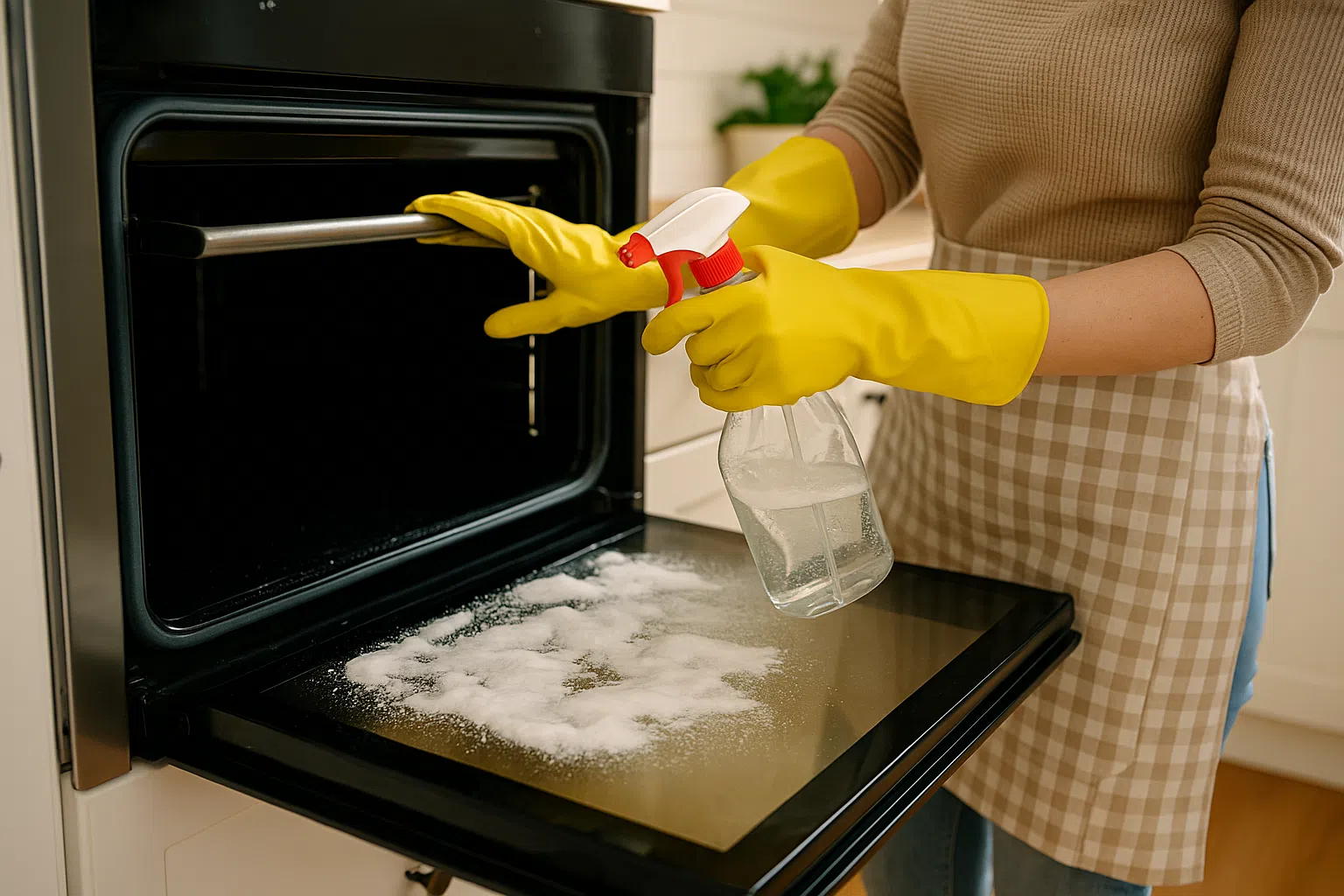
- Spray bottle: Useful for evenly misting vinegar over the baking soda paste.
- Plastic or silicone spatula: Ideal for gently scraping off stubborn baked-on bits without scratching the glass.
A Step-by-Step Guide to Cleaning Your Oven Glass Without Chemicals
1. Prepare Your Oven
The first step is ensuring your oven is completely cool before you begin cleaning — safety should always come first. Remove any racks or trays inside the oven so you have unobstructed access to the glass door and avoid accidental spills on other surfaces during cleaning.
2. Create a Baking Soda Paste
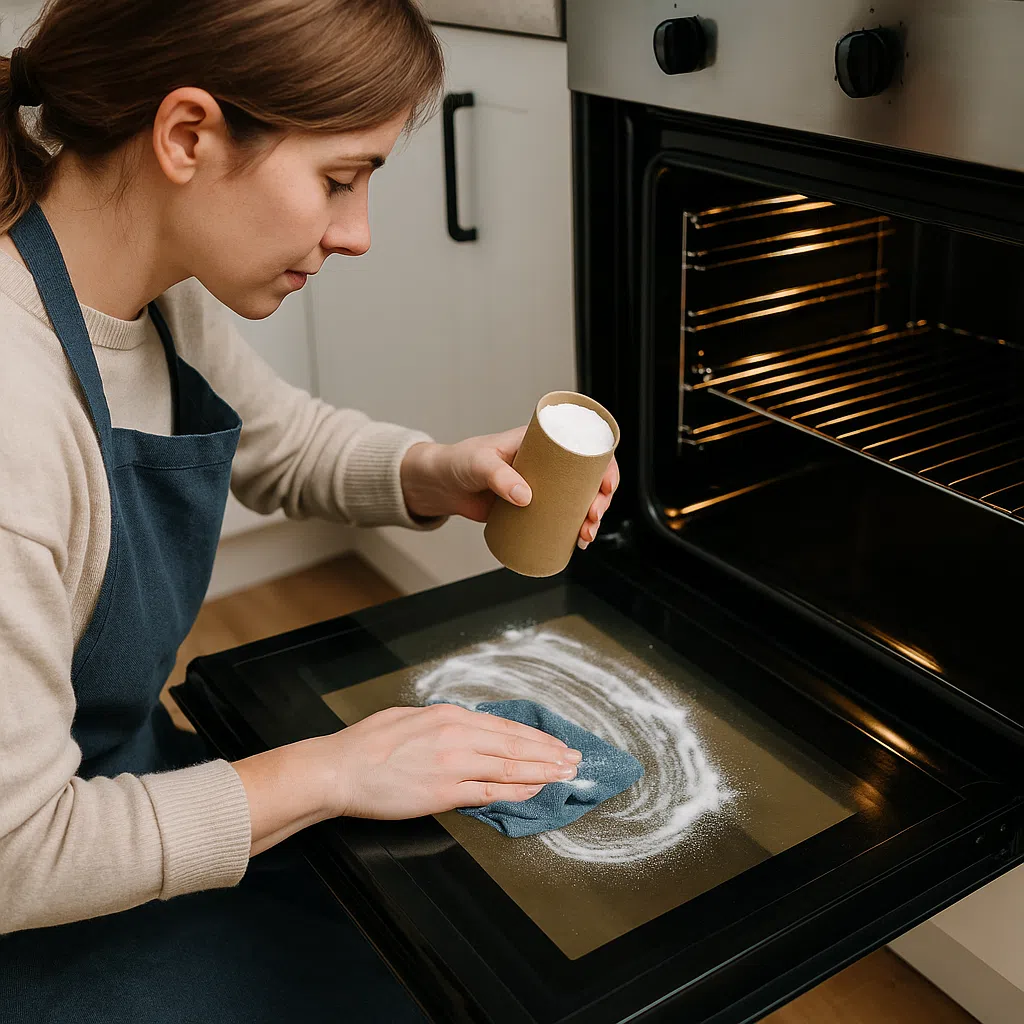
Mix approximately four tablespoons of baking soda with enough warm water to form a thick but spreadable paste — it shouldn't be runny. This paste acts as a gentle abrasive that loosens grime without damaging the glass or its coatings.
3. Apply the Paste Evenly
Smooth the baking soda paste over the interior surface of your oven glass using clean fingers or a spatula, concentrating on areas with visible stains or baked-on food residues. Allow it to sit for around 15-20 minutes. This resting period lets the paste work on breaking down tough deposits effectively.
4. Spray White Vinegar Over the Paste
Poor white vinegar into a spray bottle and lightly mist it over the baking soda-covered glass. You will notice some fizzing as the vinegar reacts with baking soda — this chemical reaction helps lift dirt while cutting through grease naturally without harsh chemicals.
5. Wipe Away Residue Gently
Once fizzing subsides, take a damp microfibre cloth and wipe away the paste along with loosened grime carefully. For any particularly stubborn spots, use a plastic or silicone spatula to gently scrape them off without scratching the surface. If necessary, repeat spraying with vinegar and wiping until all residue is removed. patience here ensures thorough cleaning without damage.
6. Final Rinse and Dry
After removing all traces of baking soda and vinegar, give the oven glass one last wipe with a cloth dampened in warm water to eliminate any remaining residue completely. Finish by drying thoroughly using a dry microfibre cloth. This prevents streaks and restores a clear shine to your oven door.
Tips for Maintaining Oven Glass Clarity
A little regular care goes a long way in keeping your oven glass looking pristine between deep cleans:
-
- Tackle spills promptly: Once your oven has cooled after use, wipe away any splashes or drips before they have time to harden onto the glass surface.
- Use oven liners or trays: These catch crumbs and drips during cooking, making subsequent cleaning easier by preventing messes from reaching your oven floor or walls.
- Cultivate regular light cleaning habits: A quick wipe-down after each use stops grime from building up excessively — saving you effort later on when tackling tougher stains.
- Avoid abrasive tools: Steel wool pads or harsh scrubbing brushes can scratch delicate surfaces; stick with soft cloths and plastic scrapers instead.
- Keeps rooms well ventilated while cooking: Good airflow reduces greasy build-up settling inside ovens by dispersing steam and smoke efficiently during use.
When To Consider Professional Cleaning
If your oven glass has accumulated heavy staining or thick layers of baked-on grime over months or years, natural methods may require multiple attempts or extended soaking times before results improve noticeably. In such cases, hiring professional cleaners might be worthwhile as they possess specialised equipment and techniques designed specifically for deep-cleaning ovens safely while protecting appliance finishes effectively.
A quick reminder: always consult your manufacturer’s instructions before attempting any cleaning method on your particular model of oven door glass. Some ovens feature special coatings or types of heat-resistant glass that require extra care during maintenance. Following official guidance helps prevent accidental damage while keeping everything in top condition in the long term.
Tackling this task using simple chemical-free steps will leave you with clearer oven glass, alongside creating a healthier kitchen environment — practical advice that benefits both your home’s appearance and wellbeing alike.
For deeper guidance on cleaning kitchen appliances properly, see our kitchen cleaning resources.
Read some of our other "How To Clean" Blog articles:
How to Clean Oven Glass Without Using Harsh Chemicals
How To Get Rid Of Fruit Flies In The Kitchen
Clean Your House Fast: Hacks to Clean Your House Quickly!
Allergen-Free Home Cleaning Tips For Allergy Sufferers
The Best Homemade Glass Cleaners For Streak-Free Windows
How To Get Your Bras White Again
How To Polish A Stainless Steel Sink With Flour
How To Clean Your Barbecue Grills With An Onion
How To Clean Tea Stains From Mugs
How To Remove Pet Hair With Rubber Gloves
How to Stop Your Washing Machine From Smelling
Find out about Diamond Home Support's comprehensive cleaning services or home help services.