
How to declutter your home within one week
Maintaining a tidy living space can positively impact our psychological health in many ways. In fact, the state of our living environment significantly reflects and impacts our mental state. Any form of clutter is known to have a deleterious effect on the mind, causing undue stress, distraction, and general dissatisfaction. By contrast, a tidy, clean and organised living space can bring about a number of beneficial psychological effects. In this article, we will a 7 day plan to declutter your home.
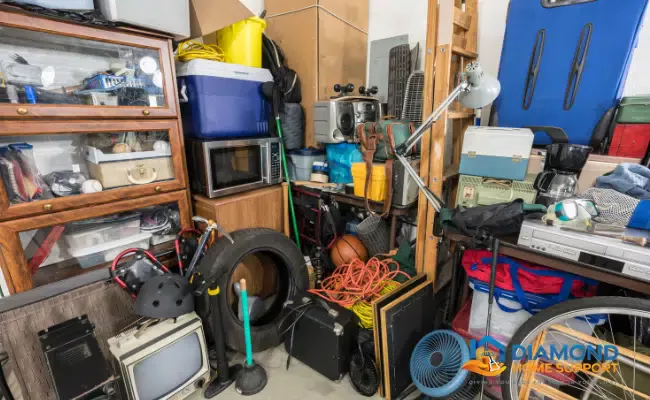
Benefits Of Decluttering Your Home
Reduce Stress & Anxiety
One of the most significant psychological benefits of a tidy living space is reduced stress and anxiety. A disorganised home can subconsciously remind us of tasks that need to be done, elevating our stress levels. On the other hand, a clean and orderly space provides a sense of serenity and calm. Our minds feel less cluttered, leading to a decrease in emotional distress. Studies show that individuals who describe their homes as cluttered were more likely to experience heightened levels of stress and tiredness.
Promote Productivity
Living in a tidy space can also promote better focus and productivity. When our surroundings are clean, we’re less likely to be distracted by the disarray around us, allowing our minds to focus on important tasks at hand. Furthermore, the act of cleaning and organising itself can be viewed as a productive task, giving us a sense of accomplishment and control, which in turn, boosts our motivation to tackle other tasks.
Improve Self Esteem
Another psychological benefit is improved self-esteem. A tidy home is a testament to our ability to take care of our environment, and by extension, ourselves. The effort we put in to maintain order can make us feel more competent and accomplished, improving our self-image.
Improve Mental Clarity
A decluttered space can also lead to improved mental clarity. The physical act of decluttering can mirror emotional decluttering, allowing us to have clearer thoughts and better problem-solving skills. Cleaning eliminates physical obstacles and opens up space, simulating a similar psychological response.
Improved Sleep Pattern
Lastly, a tidy living space can improve our sleep patterns. A clean and orderly room promotes a relaxed atmosphere, which can effectively ease our minds into a peaceful sleep.
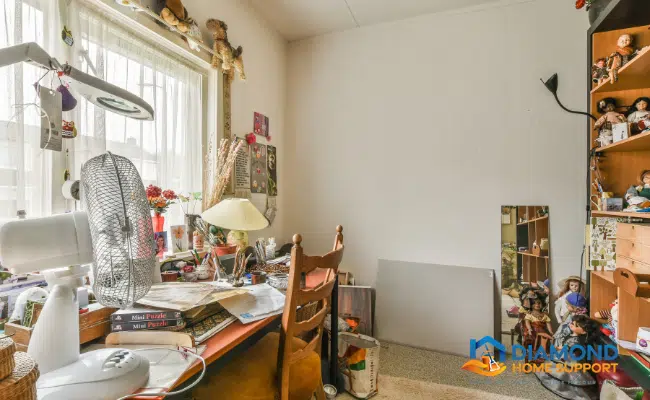
Declutter Your Home in Just One Week- 7 Day Quick Decluttering Tips
Day 1: Focus on setting decluttering goals and prepare for the week ahead
Setting decluttering goals is an important first step in the process of organising and decluttering your living or workspace. It's always helpful to have a clear idea of what you want to accomplish before you start the process. Start by making a list of the specific areas you want to focus on and the goals you want to achieve. For example, you might want to declutter and organise your closet, desk, or kitchen cabinets. You might set a goal of getting rid of items you no longer use or need, or simply reorganising your belongings to make them more accessible.
Once you have a clear idea of your decluttering goals, it's time to prepare for the week ahead by gathering the supplies you'll need for your decluttering project. This might include rubbish bags or boxes for items you want to donate, as well as cleaning supplies to wipe down surfaces and shelves. Having all of your supplies ready to go will make the decluttering process more efficient and less stressful.
In addition to gathering supplies, it's also helpful to create a sorting system to use during your decluttering project. This might involve sorting items into categories such as keep, donate, or throw, or dividing items by type or function. Having a clear system in place will make it easier to make decisions about what to keep and what to get rid of, and will help you stay organised throughout the decluttering process.
By setting decluttering goals, gathering supplies, and creating a sorting system, you'll be well-prepared to tackle your decluttering project and start the week off on the right foot. With a clear plan in place, you'll be able to make progress towards your goals.
Day 2: Tackle the most used areas: the kitchen and living room
Kitchen:
Start by decluttering your utensils and kitchen tools. Go through each item and throw out anything that is broken, unused, or expired. Consider investing in drawer dividers or organisers to keep everything neat and easily accessible. Group similar items together, such as all baking tools in one drawer and cooking utensils in another. This will make it easier to find what you need while cooking.
Living room:
Begin by sorting through any paperwork or mail that has accumulated in this area. File away important documents and shred or recycle any unnecessary paperwork. Next, take a look at daily-use items such as remotes, coasters, and blankets. Designate specific spots for these items to be stored when not in use, such as a decorative tray for remotes or a basket for blankets. This will help to keep your living room tidy and organised.

Day 3: Move onto bedrooms, organise wardrobe, and the importance of parting with items
When it comes to wardrobe organisation, it's important to take stock of what you have and declutter regularly. Marie Kondo, a renowned organisation expert, suggests holding each item in your hands and asking yourself if it sparks joy. If it doesn't, it may be time to part with it.
Organising your wardrobe by category (shirts, trousers, dresses, etc.) can also make the process of getting dressed much smoother. This way, you'll know exactly where to find what you need without having to dig through a cluttered closet.
When it comes to parting with items, it can be tough to let go of things we've had for a long time, but maintaining a tidy and organised space can be worth it. Not only will it make getting ready in the morning easier, but it can also bring a sense of calm and clarity to your living space.
By regularly assessing your wardrobe and letting go of items that no longer serve you, you can create a more intentional and joyful environment in your bedroom. So, take some time to go through your clothes and accessories, and let go of the items that no longer bring you joy. Maybe also adopt a one in, one out approach. You'll be glad you did.
Day 4: Is dedicated to bathrooms
1. Disposing of expired products:
- Check the expiration dates on all products and dispose of any that are past their date.
- For non-hazardous items such as skincare products and cosmetics, you can simply throw them in the rubbish.
- For hazardous items such as batteries or medication, research specific disposal instructions for your area or take them to a designated drop-off location.
2. Organising towels and toiletries in the bathroom:
- Use baskets or bins to separate and categorise different types of toiletries, such as hair care, skin care, and oral hygiene products.
- Utilise storage solutions, such as shelves, cabinets, or over-the-door organisers, to make the most of your bathroom space.
- Consider rolling towels instead of folding them to save space and create a neat aesthetic.
- Use labels or clear containers to easily identify the contents of each storage container.
- Regularly declutter and throw out any unused or expired toiletries and products to keep the space organised and tidy.
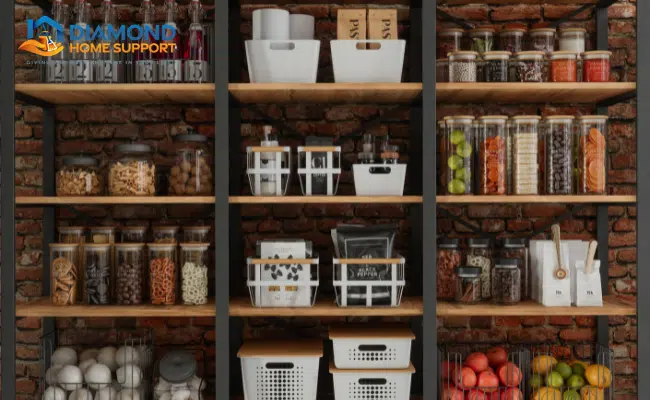
Day 5: Deal with miscellaneous storage areas
Set aside dedicated time: Schedule a block of time to tackle the sorting of sentimental items and seasonal gear in your garage or attic. This will allow you to focus on the task at hand and ensure that you have enough time to sort through everything thoroughly.
Create a sorting system: Set up different piles for sentimental items and seasonal gear. Consider using bins or boxes to sort smaller items and label them accordingly. This will make it easier to stay organised and keep track of what you have.
Start with sentimental items: Begin by sorting through sentimental items such as old photos, letters, heirlooms, and memorabilia. Take the time to carefully go through these items and decide which ones are worth keeping and which ones you can part with. Consider creating a digital archive for photos and documents to save space.
Prioritise seasonal gear: Once you have sorted through sentimental items, move on to organising seasonal gear such as holiday decorations, camping gear, and sports equipment. Consider investing in storage solutions such as shelves, hooks, and bins to keep seasonal gear organised and easily accessible.
Declutter as you go: As you sort through sentimental items and seasonal gear, make a conscious effort to declutter and get rid of anything you no longer need or use. Donate, sell, or recycle items that are no longer serving a purpose in your life.
Store items thoughtfully: As you put sentimental items and seasonal gear back into storage, make sure to store them in a way that is easily accessible and well-organised. Consider using clear bins, labelling items clearly, and keeping similar items together to make it easier to find what you need when you need it.
We've got more on decluttering your garage in a separate article.
Day 6: A review of the work so far
As we get to day 6, I would encourage everyone to take a moment to review the work done so far. Let's consider any areas that may need fine-tuning or adjustment and look at any potential improvements.
Additionally, let's take some time to re-evaluate our organisation methods. Are there any changes or updates that could help us work more efficiently and effectively? Let's make sure everything has a designated place and is easily accessible when needed.
Furthermore, for any items that we need to keep but don't need immediate access to, look at potential storage solutions. This will help you free up space.
By taking the time to review and fine-tune we can set ourselves up for success.

Day 7: Creating a sustainable system for enjoying our newly organised space
The key to staying clutter-free and maintaining an organised space is to focus on consistent maintenance. By creating a sustainable system for keeping things in order, it's possible to enjoy a clutter-free environment in the long term. Regularly purging items, finding a designated place for everything, and making a habit of tidying up can all contribute to a more organised and enjoyable living space. By prioritising maintenance and sustainability, it's possible to continue reaping the benefits of a clutter-free environment for years to come.
Conclusion
Make decluttering a regular habit rather than a one-off activity. By consistently decluttering and organising, you can prevent the accumulation of excess belongings and maintain a tidy and stress-free living environment. Regular decluttering also allows you to reassess your possessions and prioritise the things that truly bring value and joy to your life. By making decluttering a regular part of your routine, you can create a more peaceful and organised home for yourself and your family.
Other Blog articles you might like:
What Are House Cleaning Services?
How To Make Oven Cleaning A Breeze
Why Cleaning Your Home Is Important For Healthy Living
A Clean Sweep: Tips And Tricks For A Sparkling Home
7 Habits Of People With Immaculate Homes
5 Secrets For A Sparkling Clean Home In Record Time
The Benefits of Decluttering For Your Mental And Physical Health
Diamond Home Support offers professional cleaning services and home help services in many parts of the UK. Maybe you're just wondering at this stage how much does a cleaner cost? Contact us today to see how we can help.