
Introduction
Spring is the season of new beginnings and fresh starts, and what better way to welcome it than by giving your home a thorough clean? Spring cleaning is more than just a yearly chore, it's an opportunity to declutter, reorganise, and rejuvenate your living spaces.
The benefits of spring cleaning are not just limited to a lovely clean house, but extend to physical and mental well-being as well. A clean and organised home can reduce stress and increase productivity, making it a great investment of time and energy.
This guide covers all aspects of spring cleaning, from decluttering to deep cleaning, and provides step-by-step instructions to help you tackle each task with ease. It begins with a room-by-room assessment of your belongings, offering tips for deciding what to keep, donate, or throw away.
Once you've decluttered, the guide will take you through the process of deep cleaning each room in your house, from the living room to the bathroom. We'll also discuss the importance of preparing for deep cleaning and what supplies you'll need, as well as offer tips for maintaining a clean home after spring cleaning is complete.
By the end of this guide, you'll have a better understanding of how to spring clean your home and the benefits it can bring to your physical and mental well-being. So get ready to spring into action, and let's start deep cleaning your home!

Section 1: Decluttering Your Home
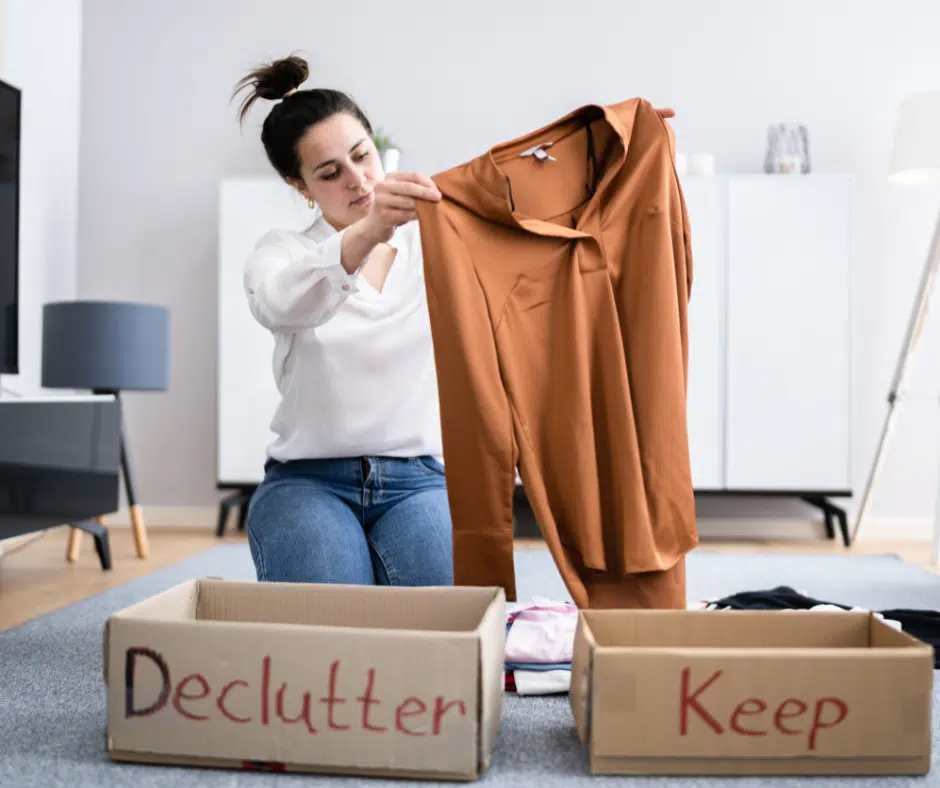
Decluttering is an essential part of spring cleaning, and it's the first step in creating a clean and organised home. Before you can deep clean your living spaces, you need to assess what you have and decide what to keep, donate, or throw away. This process can seem a little overwhelming, especially if you haven't decluttered in a while, but with a little planning and patience, you will get it done.
Room-by-Room Assessment
Start by going room-by-room and assessing your belongings. Make a list of what you need, what you love, and what you can live without. When decluttering, it's important to be honest with yourself and to let go of things that no longer serve a purpose in your life. This includes clothes that don't fit, furniture that's no longer comfortable or functional, and items that are broken or damaged beyond repair.
One useful method for decluttering is the "one-in-one-out" rule. For every new item that you bring into your home, you must get rid of one item that's no longer needed. This helps keep your living spaces clutter-free and prevents you from accumulating unnecessary items over time.

Tips for Decluttering
Decluttering can be a time-consuming process, so it's important to be patient and to tackle one room at a time. Don't try to declutter your entire home in one day, as this can lead to burnout and may not produce the desired results. Instead, set aside a few hours each day to declutter one room, and when you're finished, move on to the next room.
Storage solutions can be a great help when decluttering your home. Consider investing in storage containers, shelving units, and closet organisers to help keep your belongings organised and to maximise space. This is especially useful in the kitchen and bathroom, where items such as spices, toiletries, and cleaning supplies can quickly clutter countertops and cabinets.
Sentimental items can be some of the most difficult things to part with, but it's important to be honest about what you need and what you don't. Consider taking photos of these items, or storing them in a memory box, to preserve the memories without cluttering your living spaces.
If you have family members who are resistant to decluttering, be patient and understanding. Explain why you're doing it, and encourage them to be a part of the process. You can even make decluttering a fun activity, by listening to music, playing games, or giving each other compliments as you go.
Decluttering is an essential step in spring cleaning, and by following these tips, you can make the process easier and more enjoyable. By the time you've finished decluttering, you'll have a clearer understanding of what you have and what you need, and you'll be ready to move on to the next step of deep cleaning your home.
Section 2: Deep Cleaning
Deep cleaning is the process of thoroughly cleaning your home, from top to bottom, and it's the main part of spring cleaning. Now that you have decluttered essentially everything that is left needs to be cleaned.
Preparation for Deep Cleaning Your Home
Before you start, prepare for the task by gathering the necessary supplies and creating a cleaning plan. With the right supplies and a well thought out plan, you can deep clean your home thoroughly and more quickly than you might otherwise.
Deep Cleaning Supplies You'll Need
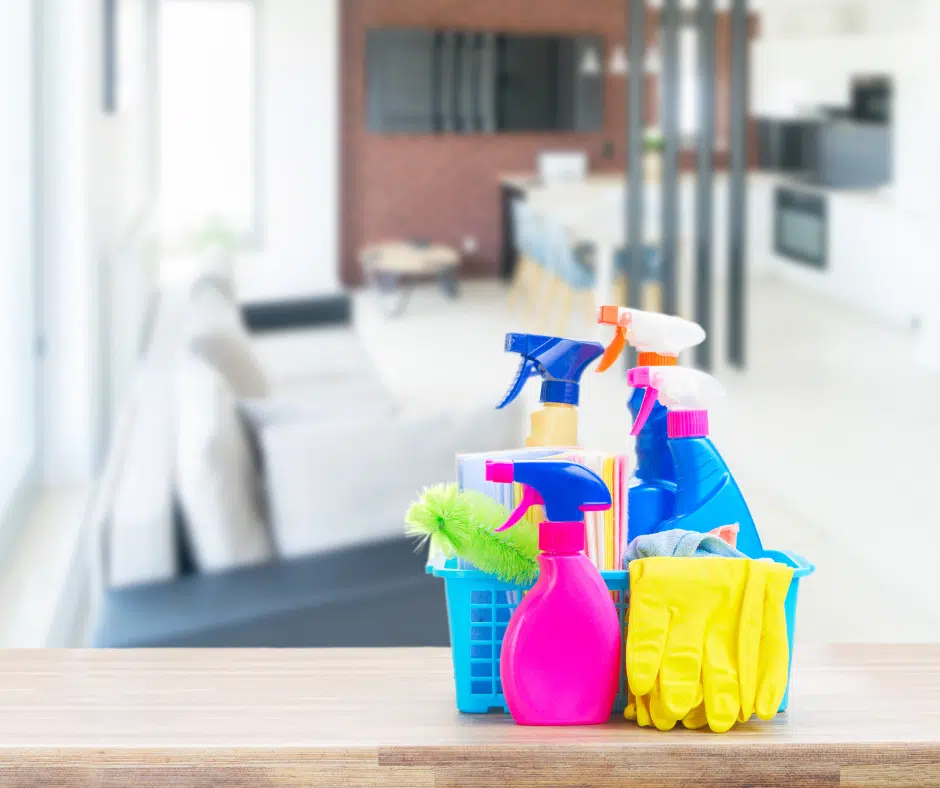
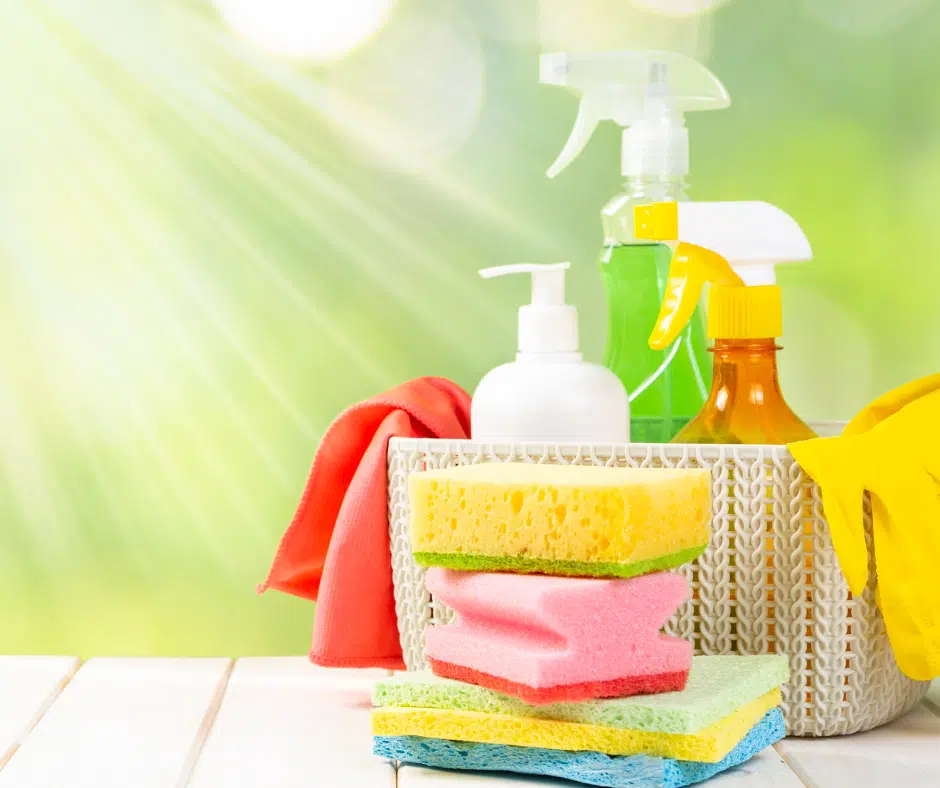
The supplies you'll need for deep cleaning will vary depending on the size of your home and the type of surfaces you'll be cleaning. However, there are a few essentials that you should have on hand, regardless of the size of your home or the type of surfaces you'll be cleaning.
These essentials include:
- Vacuum cleaner or broom
- Mop and bucket
- Scrubing brush
- Sponges
- Microfibre cloths
- All-purpose cleaner
- Glass cleaner
- Furniture polish
- Dusting cloths
- Rubbish bags
- Cleaning gloves
In addition to these essentials, you may also need specialty cleaning products, such as tile and grout cleaner, or upholstery cleaner. If you have any questions about what supplies you'll need, consult the manufacturer's instructions for the surfaces you'll be cleaning, or consult with a professional cleaning service.
Creating a Deep Cleaning Plan
Creating a cleaning plan is an important step in preparing for deep cleaning. A cleaning plan will help you stay organised and on track, and will ensure that you don't miss any important steps.
Start by making a list of all the rooms in your home, and then break each room down into smaller, manageable tasks. For example, in the kitchen, you may need to empty cupboards, clean cupboards and then reorganise them. Clean the countertops, skirting boards and other hard to reach places. Dust high up for cobwebs and mop the floor. In the bathroom, you may need to clean the toilet, the shower, the sink. Maybe empty cupboards, clean them and then reorganise them.
Once you've made a list of the tasks for each room, prioritise the tasks based on their importance. Tackle the most important tasks first, and then move on to the less important tasks. This will help you stay focused and motivated, and will ensure that you make the most of your time.
Finally, make a schedule for deep cleaning your home, and stick to it. Decide how much time you can realistically dedicate to cleaning each day, and then create a schedule that works for you. Remember, deep cleaning is a big job, so be sure to take breaks as needed, and don't forget to hydrate and stretch!
Preparing for deep cleaning is the key to success, and by following these tips, you can ensure that your deep cleaning experience is as easy and stress-free as possible. So gather your supplies, create a cleaning plan, and get ready to deep clean your home!

Room by Room Cleaning Checklist
Now that you have your supplies and cleaning plan in place, it's time to get to work! To help make your deep cleaning experience as easy and stress-free as possible, here is a room-by-room cleaning checklist:
Kitchen:
- Wash dishes and put them away
- Clean countertops
- Clean the stove and oven
- Clean the refrigerator
- Mop or sweep the floor
- Dust light fixtures and ceiling fans
- Dust high up for cobwebs
- Empty all cupboards, clean them and reorganise
- Wipe down cabinets and drawers
- Clean windows and frames
- Clean doors and frames
Bathroom:
- Clean the toilet
- Clean the shower and/or bath
- Clean the shower and/or bath taps
- Clean the sink and taps
- Sweep and mop the floor
- Dust light fixtures and ceiling fans
- Dust high up for cobwebs
- Wipe down cabinets and drawers
- Empty cabinets, clean the inside and then reorganise
- Clean the toilet brush and holder
- Clean the mirror
- Clean windows and frames
- Clean doors and frames
Bedroom:
- Dust furniture
- Dust high up for cobwebs
- Vacuum or sweep the floor
- Dust light fixtures and ceiling fans
- Clean windows and frames
- Clean doors and frames
- Wipe down surfaces and electronics
- Vacuum the mattress and turn it
- Empty wardrobes, clean them and then reorganise
Living Room:
- Dust furniture
- Dust high up for cobwebs
- Vacuum or sweep the floor
- Dust light fixtures and ceiling fans
- Clean windows and frames
- Clean doors and frames
- Wipe down surfaces and electronics
- Clean upholstery and carpets
Office/Study:
- Dust furniture
- Dust high up for cobwebs
- Vacuum or sweep the floor
- Dust light fixtures and ceiling fans
- Clean windows and frames
- Clean doors and frames
- Wipe down surfaces and electronics
- Clean upholstery and carpets
Hallway:
- Dust light fixtures
- Dust high up for cobwebs
- Vacuum or sweep the floor
- Clean windows and frames
- Clean doors and frames
- Wipe down surfaces and electronics
Remember, this is just a general checklist, and you may need to add or modify tasks based on the size of your home, number and types of rooms, and the type of surfaces you'll be cleaning. Use this checklist as a guide, and customise it to fit your needs. With a little effort and a lot of elbow grease, you can deep clean your home from top to bottom in no time!
Top Tips for Spring Cleaning
While a deep cleaning can be a lot of work, it doesn't have to be overwhelming. Here are some tips and tricks to make your spring cleaning experience easier and more enjoyable:
- Start Small: If the thought of cleaning your entire home in one day is too much, break it down into smaller, more manageable tasks. Start with one room and work your way through the rest of the house.
- Get the Whole Family Involved: Cleaning your home can be a fun family activity. Assign tasks to each family member and make it a competition to see who can finish first.
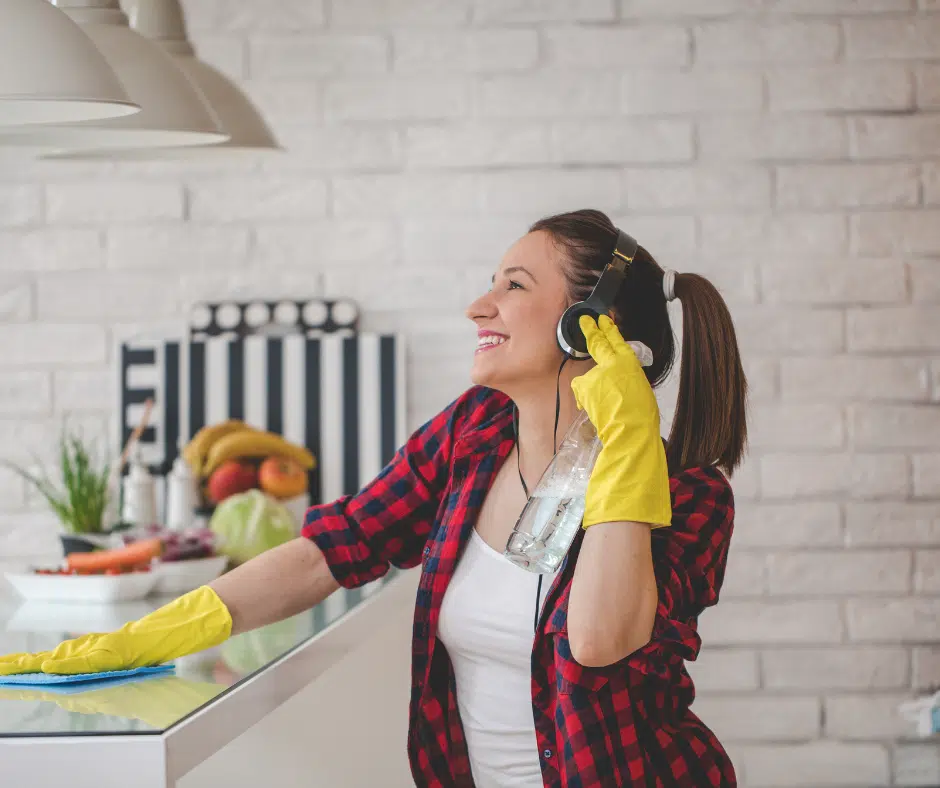
- Music Makes it Better: Put on some of your favourite tunes and dance while you clean! This will make the cleaning process more enjoyable and less tedious.
- Work Top to Bottom: When cleaning, it's important to start at the top and work your way down. This way, any dirt or dust that falls will be cleaned up later in the process.
- Use the Right Tools: Make sure you have the right tools for the job. For example, use a vacuum with a crevice tool to clean tight spaces, and a microfibre cloth for wiping down surfaces.
- Make it a Routine: Make spring cleaning a routine and schedule it for the same time each year. This way, you won't have to spend as much time deep cleaning, as you will already have a system in place.
- Reward Yourself: After all the hard work, reward yourself with a treat or a night out. This will give you something to look forward to, and you'll be motivated to work even harder.
By using these tips and tricks, you can make your spring cleaning experience faster, easier, and more enjoyable. So grab your cleaning supplies, turn up the music, and get started!
Conclusion
Spring cleaning is an opportunity to refresh and rejuvenate your home. With a little planning, effort, and the right tools, you can deep clean every room in your home and get it ready for the spring and summer months. Whether you choose to tackle the entire house in one day or break it down into smaller, more manageable tasks, the important thing is to get started.
By following a room-by-room cleaning checklist and using the tips and tricks we've outlined in this guide, you can make the most of your spring cleaning experience. So what are you waiting for? Get started today, and you'll be amazed at how much better your home looks and feels!

Frequently Asked Questions About Deep Cleaning Your Home
What is spring cleaning?
Spring cleaning is a thorough cleaning of a home or building that is typically done in the springtime. It is a way to remove accumulated dirt, dust, and grime from the winter months and get a fresh start for the new season.
Why is spring cleaning important?
Spring cleaning is important because it helps to maintain the cleanliness and hygiene of a home. It is also an opportunity to declutter, reorganise, and get rid of items that are no longer needed.
When is the best time to do spring cleaning?
The best time to do spring cleaning is in the spring, when the weather is warmer and the days are longer. This allows you to open windows and doors for fresh air and sunlight to help with the cleaning process.
How often should I do spring cleaning?
It's recommended to do a thorough spring cleaning at least once a year. However, you can also do smaller cleaning tasks throughout the year to maintain the cleanliness of your home.
What rooms should I focus on during spring cleaning?
During spring cleaning, it's important to focus on all rooms in the home, including the kitchen, bathrooms, bedrooms, living areas, and any storage spaces.
How long does spring cleaning typically take?
The length of time it takes for spring cleaning depends on the size of the home and how thorough the cleaning needs to be. On average, it can take anywhere from one day to a week to complete a full spring cleaning.
Do I need any special tools or products for spring cleaning?
To make the most of your spring cleaning, you'll need a few basic cleaning tools, such as a vacuum, mop, bucket, sponges, and cleaning solutions. You may also want to invest in specialised tools, such as a steam cleaner or a ladder, depending on your cleaning needs.
How do I get started with spring cleaning?
To get started with spring cleaning, create a plan and a schedule, gather your cleaning supplies, and start with one room at a time. Start with the most cluttered or dirty room, and work your way through the rest of the house.
What is the best way to clean hardwood floors during spring cleaning?
The best way to clean hardwood floors during spring cleaning is to sweep or vacuum them to remove any dirt or debris. Then, use a damp mop or cloth to clean the surface, taking care not to get the floor too wet.
What is the best way to clean windows during spring cleaning?
To clean windows during spring cleaning, start by removing any cobwebs or debris from the window frame. Then, use a squeegee, cloth, or paper towels with a window cleaning solution to clean the glass. Finish by wiping down the frame and sill with a damp cloth.
How can I make spring cleaning more efficient?
To make spring cleaning more efficient, break it down into smaller, more manageable tasks, and enlist the help of family members or friends. Also, use the right tools for each job and make a cleaning schedule to help keep you on track.
How can I get rid of unwanted items during spring cleaning?
To get rid of unwanted items during spring cleaning, sort through your belongings and decide what you no longer need. Consider donating items in good condition to charity, or selling them at a boot fair or online.
Can spring cleaning help with allergies or asthma?
Yes, spring cleaning can help with allergies or asthma by removing allergens and irritants from the home. Dusting, vacuuming, and using a steam cleaner to clean carpets and upholstery can help reduce the presence of allergens and improve the air quality in your home.
Can I do spring cleaning with pets in the house?
Yes, you can do spring cleaning with pets in the house, but you may need to take some precautions to keep them safe. Consider putting pets in a separate room while cleaning, and be mindful of any cleaning solutions that could be toxic to them.
What is the best way to clean a bathroom during spring cleaning?
To clean a bathroom during spring cleaning, start by removing any items from the counters and sink. Then, clean the toilet, shower, and tub, using a bathroom cleaner and a scrub brush. Finish by cleaning the mirror, sink, and floors, and putting any items back in place.
How can I clean and organise my closet during spring cleaning?
To clean and organise your closet during spring cleaning, start by removing everything from the closet and sorting through it. Keep what you need and love, and donate or discard the rest. Then, organise the items that are left, using shelves, hangers, and storage containers to maximise the space.
What is the best way to clean and maintain my oven during spring cleaning?
To clean and maintain your oven during spring cleaning, remove the racks and soak them in warm, soapy water. Then, use an oven cleaner and a scrub brush to clean the interior of the oven. Be sure to follow the manufacturer's instructions and safety guidelines when using oven cleaner.
Can spring cleaning help reduce stress and improve my mental health?
Yes, spring cleaning can help reduce stress and improve mental health by giving you a sense of control and organisation in your home. The process of decluttering and deep cleaning can also be a form of mindfulness, helping you to focus on the present moment and release any stress or anxiety.
How can I make spring cleaning a fun and enjoyable experience?
To make spring cleaning a fun and enjoyable experience, consider making it a family or community event. You can also listen to music, take breaks, and reward yourself after completing each task or area. The sense of accomplishment and the improved look and feel of your home will be a great reward in itself!
What should I do if I just don't have the time to deep clean my home?
There are professional cleaning services that you can hire both on a one off basis to deep clean your home, and to provide you with a regular cleaning service. Read our indepth guide to hiring a cleaner.