
Quick Answer: How To Remove Pet Hair With Rubber Gloves
Removing pet hair with rubber gloves works because rubber creates static and friction that pulls loose dog and cat hair from fabric. Simply put on slightly damp rubber gloves, wipe firmly in one direction across upholstery or carpet, allow the hair to gather into clumps, then lift it away. This method is quick, low cost, and effective on sofas, chairs, carpets and car seats.
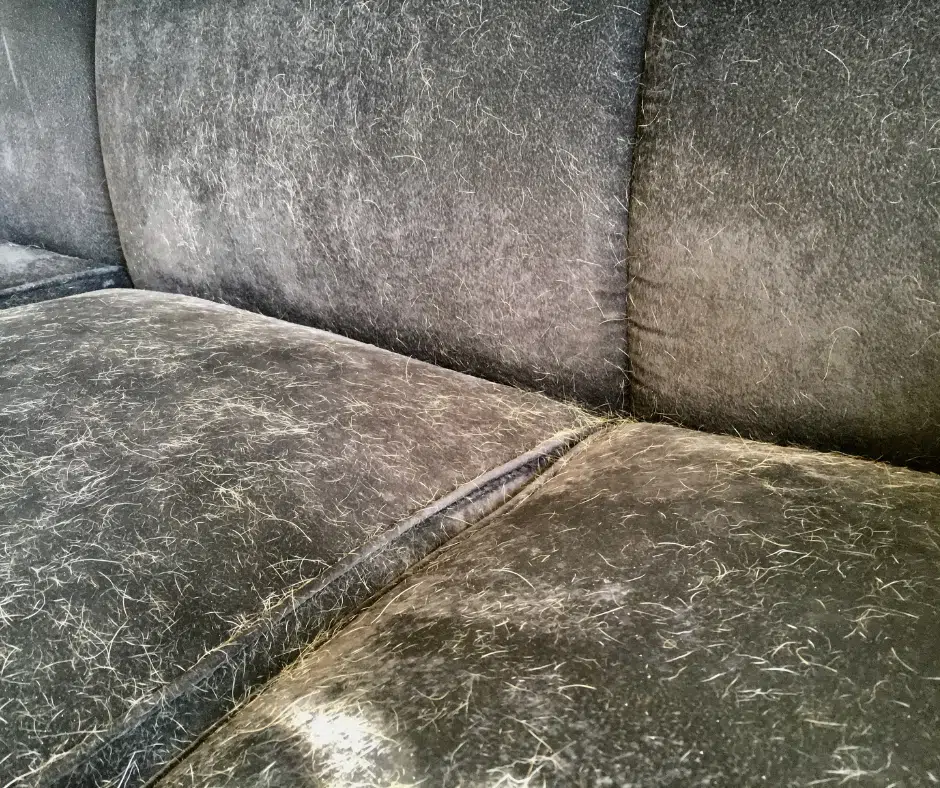
Pet hair has a habit of embedding itself into fibres. Even after vacuuming, fine strands often remain woven into fabric. Using rubber gloves is one of the simplest ways to lift that trapped hair without specialist tools.
Why Pet Hair Sticks to Fabric
Pet hair clings for two main reasons:
Static electricity - As pets move across soft furnishings, friction creates static. Hair becomes lightly charged and sticks to fibres.
Fabric texture - Upholstery and carpet fibres twist and grip fine strands, especially short dog hair and cat fur.
Rubber gloves counter both issues. The friction they create builds controlled static while the textured surface grips and gathers hair together.
What You Need
-
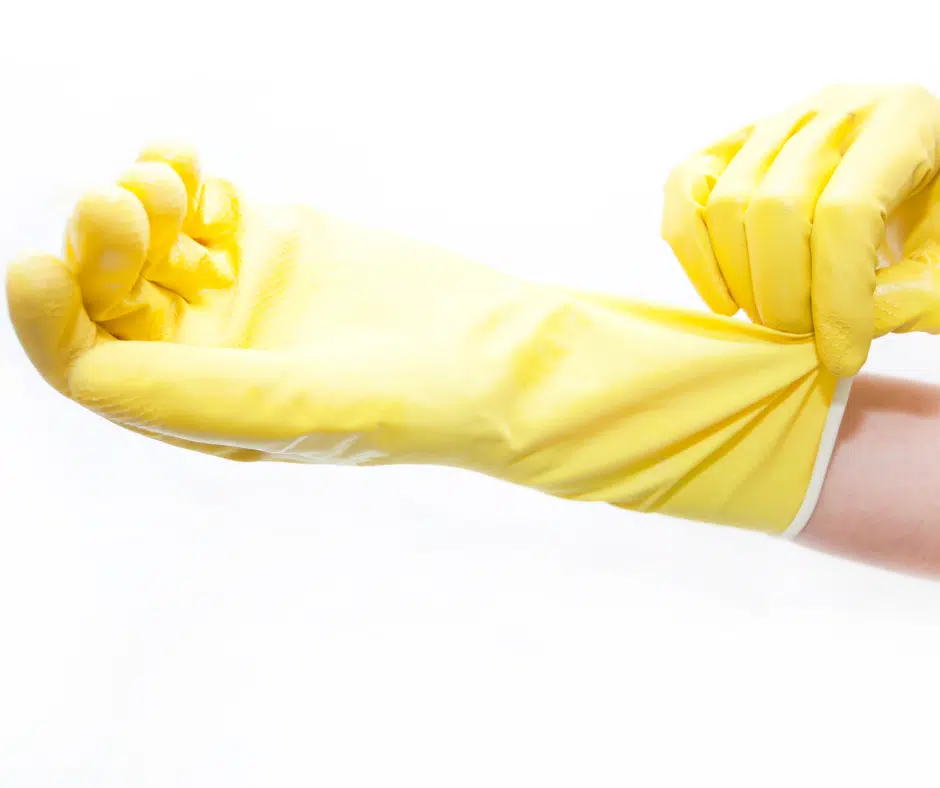
Standard rubber cleaning gloves
-
A bowl of warm water
-
A bin or bag
No sprays or chemical products are required.
Step-by-Step: How to Remove Pet Hair With Rubber Gloves
1. Lightly Dampen the Gloves
Put on the gloves and dip them in warm water. Shake off excess water. They should feel slightly damp, not wet enough to soak the fabric.
A small amount of moisture increases grip and helps the hair clump together.
2. Wipe in One Direction
Run your hand firmly across the surface in steady strokes. Avoid circular rubbing. Within a few passes, the hair will start rolling into visible clumps.
Consistency matters. Long, even strokes produce better results.
3. Gather the Hair
Use the edge of your hand like a squeegee to pull the clumps into a small pile. Lift and dispose of the hair.
4. Rinse and Repeat
Rinse the glove when it becomes covered. Wring out excess water and continue until the area is clear.
Best Surfaces for This Method
Fabric sofas and armchairs - Focus on seat cushions, seams and corners where hair collects.
Stair carpets and rugs - Apply firmer pressure on thicker pile carpets to reach deeper fibres.
Car seats and boot linings - This method works particularly well in car interiors where hair embeds into fabric upholstery.
Dry vs Damp Gloves
Both methods work. The choice depends on the level of shedding.
-
Dry gloves create stronger static and work well for light surface hair.
-
Damp gloves grip larger amounts at once and are better for heavy build-up.
Testing a small section first will show which approach works best.
Rubber Gloves vs Other Pet Hair Removal Methods
Lint rollers - Good for quick touch-ups but less effective on embedded hair. They also create ongoing cost through refill sheets.
Vacuum cleaners - Effective for loose debris, but often leave fine hair behind. Some vacuum heads struggle with tightly woven upholstery.
Rubber squeegees - Very effective on carpets and similar in principle to gloves. Less precise for smaller areas.
Rubber gloves strike a balance. They are inexpensive, reusable, and particularly good at lifting hair that vacuums miss.
Common Mistakes to Avoid
-
Over-wetting the gloves and soaking the fabric
-
Rubbing randomly instead of in one direction
-
Using excessive force on delicate upholstery
-
Skipping vacuuming first in heavily shed areas
For best results, vacuum first, then use rubber gloves to lift embedded strands.

How Often Should You Remove Pet Hair?
In homes with regular shedding, a quick glove pass once or twice a week prevents build-up. During seasonal shedding periods, more frequent removal keeps upholstery looking presentable.
Target high-use areas first. Pet beds, favourite sofa spots, and car seats tend to accumulate hair fastest.
Does This Work for Dog and Cat Hair?
Yes. The method works for both dog hair and cat hair. Short, stiff hairs often respond particularly well because they cling tightly to fabric and are lifted effectively through friction.
Frequently Asked Questions
Do rubber gloves really remove pet hair?
Yes. The static and friction created by rubber attract and gather loose hair, allowing it to clump together for easy removal.
Should gloves be wet or dry?
Both work. Damp gloves tend to gather more hair at once. Dry gloves create stronger static for lighter shedding.
Will this damage upholstery?
Used gently, it is safe for most durable fabrics. Always test a hidden area first.
Is it better than a vacuum?
It works best alongside vacuuming. Vacuums remove loose debris. Rubber gloves lift embedded hair that remains behind.
Can this be used on delicate fabrics?
Exercise caution. Test a small area first and avoid excessive pressure.
Always check manufacturer care labels before cleaning upholstery or carpets. Test a hidden section first to ensure no water marking occurs. For delicate, high-value or specialist fabrics, professional cleaning may be the safer option.
Find out about some more useful cleaning tips on our blog. For example, take a look at some natural cleaning alternatives you can make at home. If you don't have time for cleaning maybe you need a professional cleaning service?