The Ultimate Guide to Dusting Your Home Like a Pro
Introduction: Why Dusting Matters
Before we dive into the nitty-gritty of dusting, let's talk about why it's so important. We'll discuss the health benefits of dusting, including reducing allergies and asthma symptoms, as well as how it can improve the overall appearance of your home.
Dusting your home may seem like a tedious chore, but it offers a number of benefits that make it well worth the effort. Here are just a few of the ways that dusting can improve your home and your health.
Reducing Allergens
Dust is made up of a variety of particles, including dead skin cells, pet dander, pollen, and dust mites. All of these can trigger allergies and asthma symptoms, especially in those who are sensitive to them. By regularly dusting your home, you can significantly reduce the amount of these allergens in the air and make your home a healthier place to be.
Improving Indoor Air Quality
In addition to reducing allergens, dusting can also improve the overall quality of the air in your home. Dust particles can accumulate leading to poor air flow and reduced efficiency. By regularly dusting your home, you can ensure that your air stays clean and fresh.
Protecting Your Belongings
Dust can also be harmful to your belongings, especially if it's left to accumulate for long periods of time. Over time, dust can scratch and damage delicate surfaces like wood and leather, and it can even cause electronics to overheat and malfunction. By regularly dusting your home, you can protect your belongings and ensure that they last longer.
Creating a More Inviting Space
Finally, regular dusting can simply make your home a more pleasant place to be. Dust can make surfaces look dull and uninviting, and it can even give your home a musty, unpleasant smell. By dusting your home regularly, you can keep it looking clean and fresh, and create a more welcoming environment for yourself and your guests.

The Basics of Dusting
We'll start with the basics of dusting, including the right tools and products to use, how often you should be dusting, and the best techniques for getting rid of dust and dirt
Tools and Products
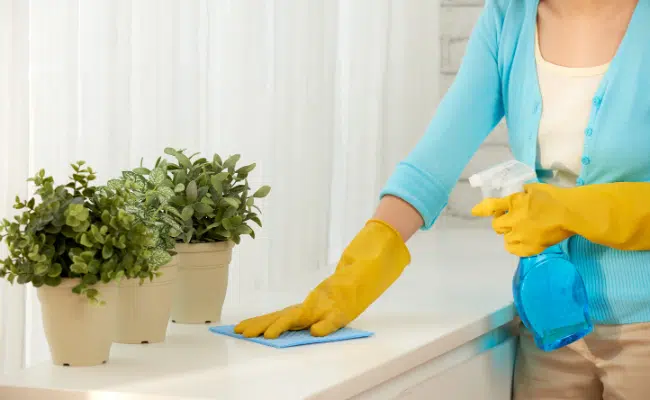
Before you start dusting, it's important to have the right tools and products on hand. A microfibre cloth is one of the best tools for dusting, as it's gentle on surfaces and traps dust particles effectively. You may also want to invest in a dusting spray, which can help to loosen and lift dust from surfaces. When choosing a dusting spray, look for one that's non-toxic and environmentally friendly.
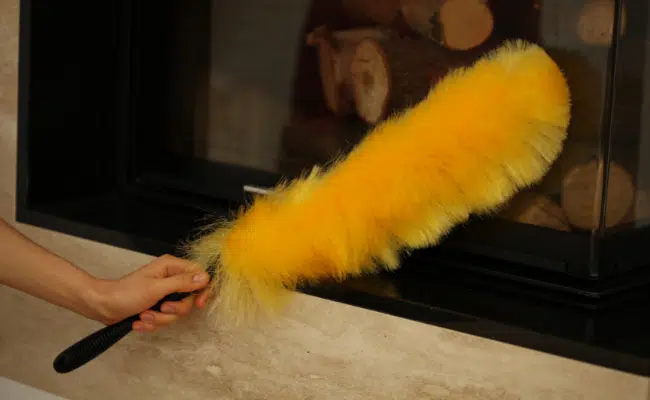
You will also need a short handled duster and a long handled duster (to reach those hard to get to places).
Frequency
How often you should dust depends on a variety of factors, including the size of your home, the number of people and pets living in it, and the level of indoor pollution. In general, most homes should be dusted once a week to keep them clean and healthy.
Techniques
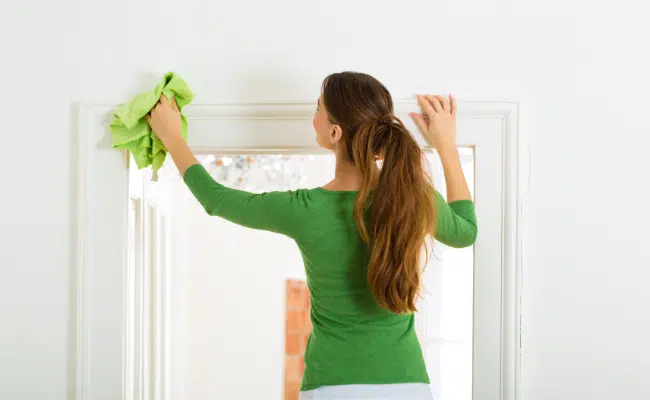
When it comes to dusting, technique is key. To start, use your microfibre cloth or duster to gently wipe down surfaces, making sure to get into all the nooks and crannies. When dusting furniture, it's important to dust from top to bottom, as this will help to prevent dust from falling onto already-cleaned surfaces.
You may also then want to go over the area again using your spray and microfibre cloth for a good finish.
Dealing with Dust and Dirt
As you're dusting, you'll likely encounter areas with built-up dirt and grime. For these areas, you may need to use a more aggressive cleaning technique, such as a damp cloth. It's important to avoid using too much water or cleaning solution, however, as this can damage certain surfaces.
The Importance of Consistency
Finally, it's important to be consistent with your dusting routine. Regular dusting can help to prevent the buildup of dust and dirt, which can be more difficult to remove over time. By staying on top of your dusting routine, you can keep your home looking clean and healthy, and avoid the need for more intensive cleaning down the road.
Dusting For Specific Surface
Dusting is not a one-size-fits-all task - different surfaces require different techniques to ensure that they are cleaned effectively without causing damage. Here are some tips for dusting specific surfaces.
Wood Furniture
When dusting wood furniture, it's important to avoid using water or harsh cleaning solutions, as these can damage the finish. Instead, use a soft, dry cloth or a microfibre cloth to gently wipe down the surface. If there is built-up grime or dirt, you may need to use a specialised wood cleaning polish.
Electronics
Electronics are delicate and can be easily damaged by harsh cleaning chemicals or abrasive cleaning tools. When dusting electronics, use a can of compressed air or a soft-bristled brush to remove dust and debris from the surface. Avoid using water or cleaning solutions, and never spray cleaner directly onto the device.
Plants and Artwork
Plants and artwork are delicate and should be dusted carefully to avoid damage. Use a soft-bristled brush or a can of compressed air to gently remove dust from the surface. If there is built-up grime or dirt, you may need to use a damp cloth or a specialised cleaning product to remove it. Be sure to test any cleaning solution on a small, inconspicuous area before applying it to the entire surface.
Upholstery
Upholstery can be tricky to dust, as dust can easily become embedded in the fabric. Use a vacuum cleaner with an upholstery attachment to gently remove dust and debris from the surface. For stubborn stains or built-up grime, you may need to use a specialised upholstery cleaner.
Floors
When dusting floors, start by sweeping or vacuuming the surface to remove any loose dirt or debris. Then, use a microfibre mop or a damp cloth to remove any remaining dust. Be sure to avoid using too much water, as this can damage certain types of flooring.
In conclusion, dusting specific surfaces requires a different approach for each surface. By using the right tools and techniques, you can effectively remove dust and debris without causing damage. With regular dusting, you can maintain a clean and healthy living environment, and protect your belongings from damage.