
Top Tips for Cleaning Mirrors
Keeping mirrors clean and streak-free can be a challenge right? Whether you are cleaning a bathroom mirror, a bedroom mirror, or a hallway mirror, it is important to know the best practices for achieving a sparkling, streak-free finish. In this article, we will provide you with top tips for cleaning mirrors and maintaining their appearance.
How to Clean a Mirror without Leaving Streaks
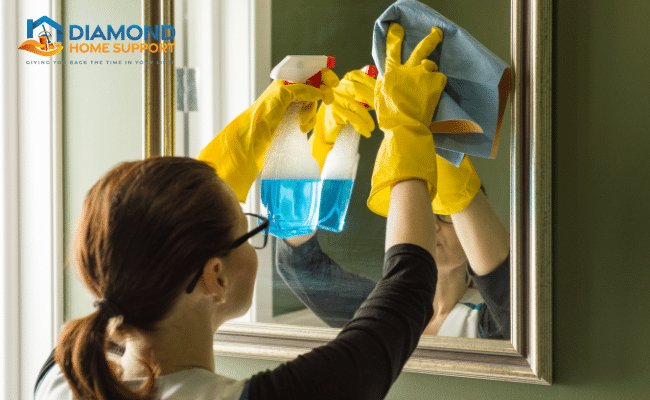
Cleaning a mirror without leaving streaks requires the right tools and techniques. One of the most effective tools for cleaning mirrors is a microfibre cloth. Microfibre cloths are designed to capture and hold onto dust and dirt, making them perfect for cleaning glass surfaces like mirrors. When cleaning a mirror with a microfibre cloth, simply dampen it with water and wipe the surface gently vertically or horizontally.
Another way to clean a mirror without streaks is to use a homemade cleaning solution. In a spray bottle, mix equal parts water and white vinegar. Spray the solution onto the mirror and wipe it dry with a microfibre cloth. The acidity of the vinegar helps to dissolve any smudges or streaks, leaving your mirror clean and shiny.
When cleaning a mirror, it is important to avoid using paper towels. While they may be convenient, paper towels can leave behind lint and fibres, creating streaks on the mirror's surface. Instead, opt for a microfibre cloth or even a lint-free cloth specifically designed for cleaning glass surfaces.
Tips for Achieving a Streak-free Mirror
Achieving a streak-free mirror requires proper wiping technique and the right tools. When wiping your mirror, use a clean microfibre cloth or lint-free cloth. Start from the top and work your way down in a vertical or horizontal motion. Avoid wiping in a circular motion, as this can create streaks on the mirror's surface.
Using a spray bottle for even application of cleaning solution can also help to achieve a streak-free mirror. Spray the cleaning solution onto the mirror in a fine mist, ensuring even coverage. This will prevent excess solution from accumulating in certain areas, which can lead to streaks.
After cleaning your mirror, be sure to dry it thoroughly with a lint-free cloth. This will remove any remaining moisture and prevent streaks from forming. Take your time and ensure that the mirror is completely dry.
DIY Mirror Cleaning Solutions
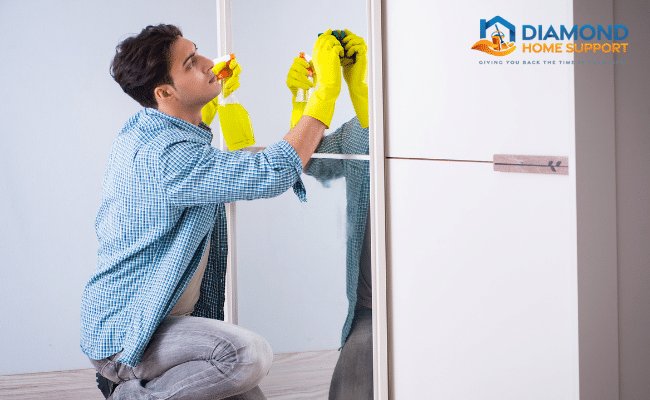
If you prefer to avoid commercial cleaning products, there are DIY mirror cleaning solutions that you can make at home. One popular solution is vinegar and water. In a spray bottle, mix equal parts water and white vinegar. Spray the solution onto the mirror and wipe it dry with a microfibre cloth. The acidity of the vinegar helps to remove streaks and smudges, leaving your mirror clean and shiny.
Another homemade cleaning solution for mirrors is rubbing alcohol. In a spray bottle, mix equal parts water and rubbing alcohol. Spray the solution onto the mirror and wipe it dry with a microfibre cloth. The rubbing alcohol helps to dissolve any stubborn streaks or smudges, giving you a streak-free mirror.
When making DIY mirror cleaning solutions, it is important to avoid using ammonia-based cleaners. Ammonia can be too harsh for mirrors and can damage the mirror's surface over time. Stick to gentle and natural cleaning solutions for the best results.
Frequently Asked Questions
Q: How often do I need to clean my mirrors?
A: The frequency of mirror cleaning depends on factors like the environment, usage, and personal preference. Generally, it is recommended to clean mirrors at least once every week or two to maintain their cleanliness and clarity.
Q: What is the best way to clean mirrors?
A: To clean mirrors effectively, start by removing any dust or debris from the surface using a soft, lint-free cloth or a microfibre cloth. Then, spray a glass cleaner on the mirror or apply a mixture of water and vinegar. Use a clean cloth to wipe the mirror in a vertical or horizontal motion, ensuring all streaks are removed. Finally, dry the mirror with a clean cloth or paper towel.
Q: Can I use regular household cleaners on mirrors?
A: While regular household cleaners can be used on mirrors, it is advisable to choose one specifically designed for glass or mirrors. These cleaners often contain ingredients that help prevent streaks and provide a clear shine. Avoid using cleaners with ammonia, bleach, or abrasive substances as they can damage the mirror's surface.
Q: How can I prevent streaks when cleaning mirrors?
A: To prevent streaks while cleaning mirrors, make sure to use a lint-free cloth or a microfibre cloth that doesn't leave behind any fibres or lint. Also, avoid using excessive amounts of cleaner, as it can leave residue or streaks on the mirror. Wiping the mirror in a vertical or horizontal way can help to evenly distribute the cleaner and minimise streaks.
Q: Can I use newspaper to clean mirrors?
A: While newspaper has been traditionally used for mirror cleaning due to its absorbent properties, it is not recommended anymore. The ink from newspapers can transfer onto the mirror and leave behind smudges and stains. It is safer to use lint-free cloths or microfibre cloths for mirror cleaning.
Q: How do I remove stubborn spots or stains from mirrors?
A: Stubborn spots or stains on mirrors can be challenging to remove. One method is to use a little rubbing alcohol on a soft cloth.
Why not read some of our other Blog articles:
How to Deep Clean Grout on Bathroom Tiles Without Chemicals
How To Clean Your Induction Hob
7 Cleaning Tips For First Time Home Owners
Ten Tips For Cleaning Your Loft
How To Clean Mould From Kitchen Cupboards
What Are Deep Cleaning Services?
7 Reasons You Hate Cleaning Your Home
Find out about professional cleaning services in your area and get the time back in your life! In some areas we can also offer home help services. Perhaps you're just wondering how much does a cleaner cost?