
Introduction
Hard water is a common challenge in many UK households, often leaving behind stubborn mineral deposits on your clothes after washing. These deposits can make fabrics feel rough, appear dull, and cause colours to fade faster than you would like. There are practical and straightforward laundry techniques that can help remove these residues, restoring your clothes' softness and vibrancy.
Understanding Hard Water Deposits on Clothes
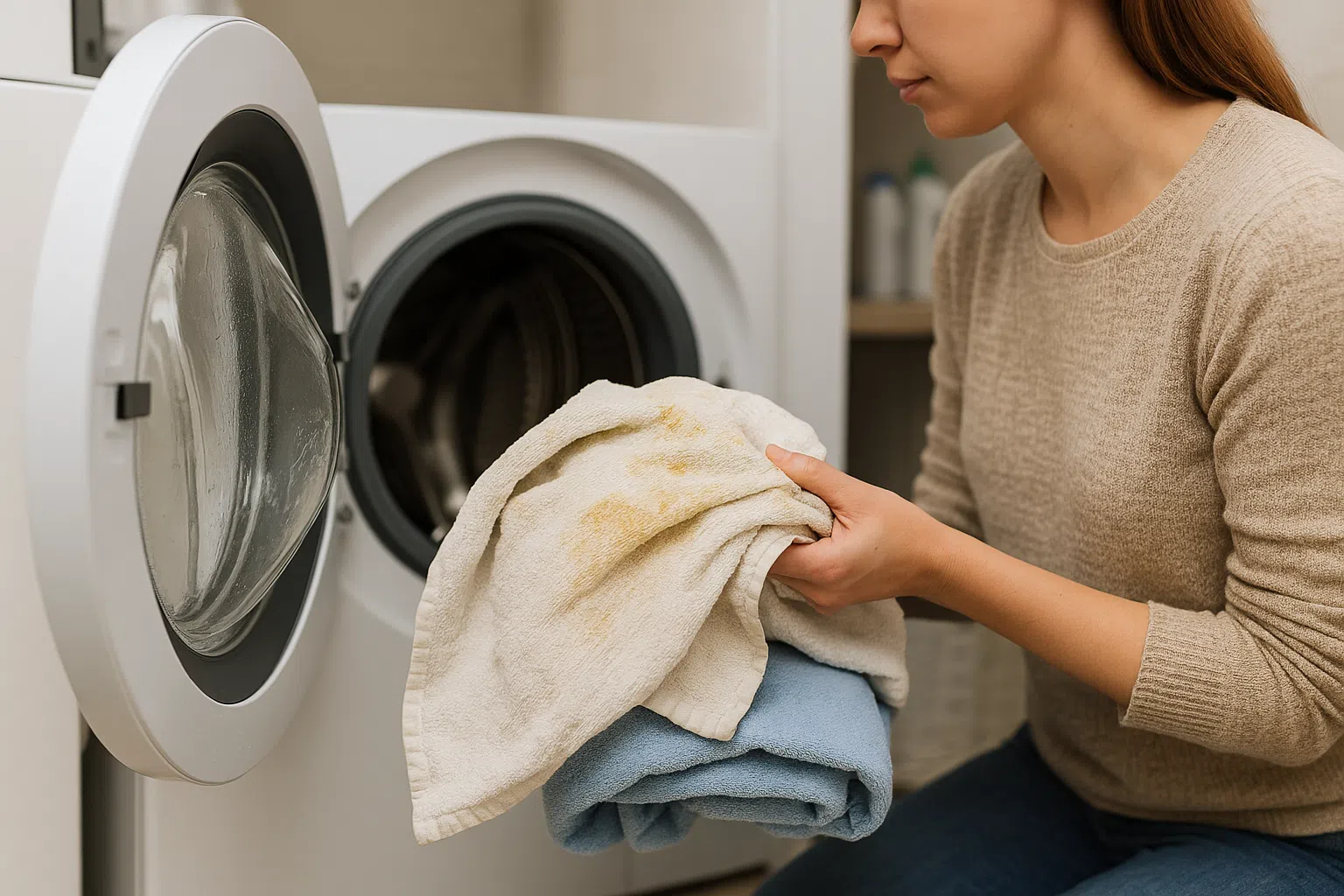
Hard water contains high levels of minerals such as calcium and magnesium. When you wash your clothes with hard water, these minerals tend to bind to fabric fibres, leaving behind white or greyish residues. This buildup not only affects the appearance and texture of your garments but also reduces the effectiveness of detergents over time. As a result, your favourite clothes may look worn out sooner than expected.
Recognising the signs of hard water deposits is the first step towards tackling the problem effectively. You might notice that your clothes feel scratchy or stiff after washing, fabrics look dull or faded, or there are white streaks and spots on darker clothing. Sometimes detergent residue that won’t rinse away fully can also be a clue that hard water deposits are at play.

Effective Laundry Hacks to Remove Hard Water Deposits
You don't need expensive products or complicated methods to combat hard water deposits. Several simple steps using everyday household items can make a significant difference.
Use White Vinegar as a Natural Softener and Mineral Remover
White vinegar is an excellent, eco-friendly solution for dissolving mineral deposits thanks to its mild acidity. Adding about one cup (approximately 240ml) of white vinegar during the rinse cycle helps break down minerals left on fabric fibres. For garments heavily coated with deposits, soaking them beforehand in a mixture of one part vinegar to four parts warm water for around 30 minutes before washing can be particularly effective.
A word of caution: avoid mixing vinegar directly with bleach or fabric softeners as this can cause unwanted chemical reactions.
Baking Soda Boosts Detergent Performance
Baking soda is another handy household item that softens water and neutralises odours. Adding half a cup (around 120g) alongside your usual detergent at the start of the wash cycle helps balance the pH level of the water. This adjustment reduces deposits buildup on fabrics by preventing minerals from settling during washing.
Choose Detergents Designed for Hard Water Areas
Certain detergents are formulated specifically for use in hard water regions. These products contain ingredients that bind calcium and magnesium ions so they don't cling to clothing fibres after washing. When shopping for detergent, look out for labels indicating "hard water compatible " or "water softening " properties to ensure better results.
Avoid Overloading Your Washing Machine
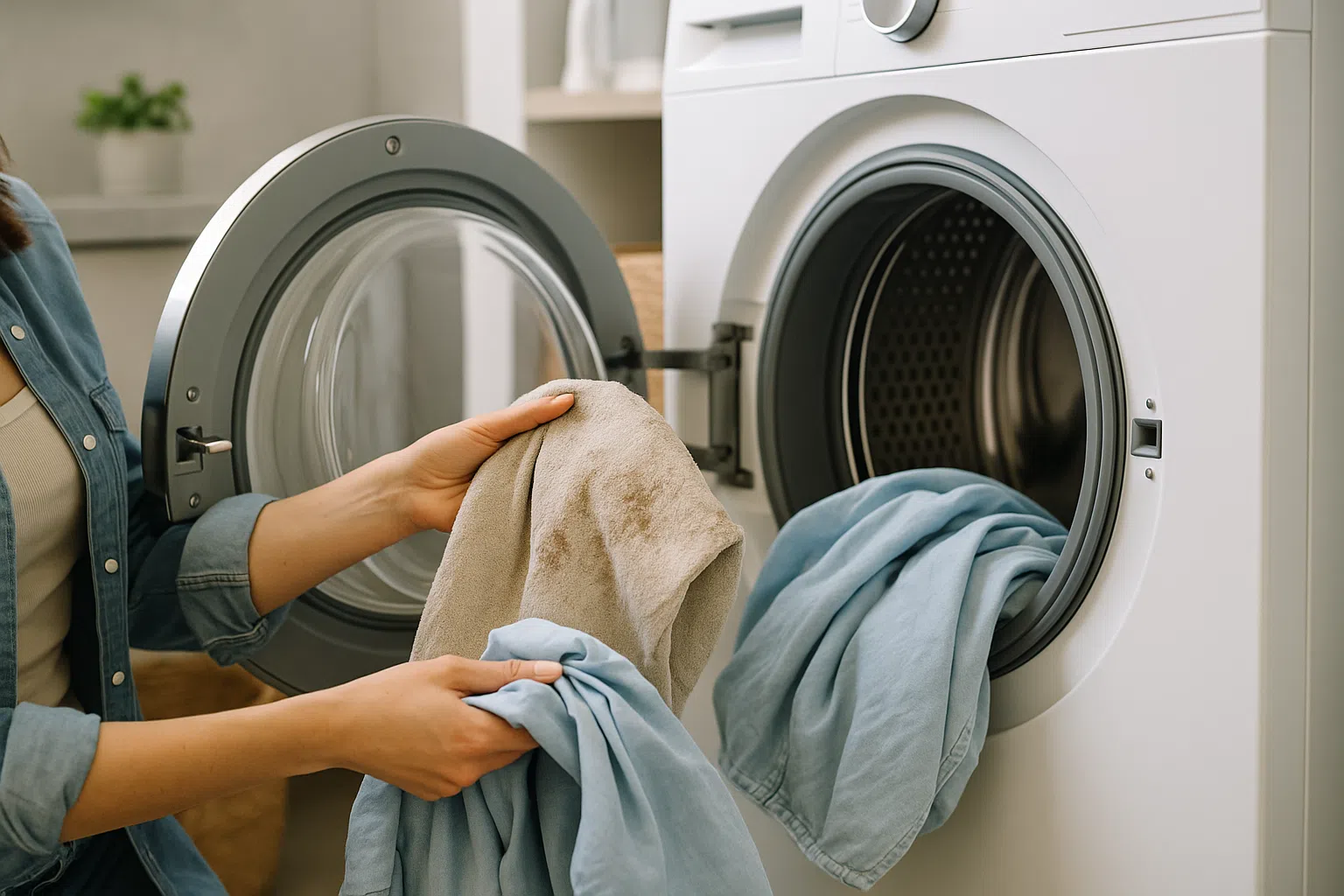
Overfilling the washing machine drum restricts proper rinsing because clothes can't move freely during cycles. This inadequate rinsing increases the likelihood of deposits remaining on fabrics. Washing smaller loads allows better water circulation around garments, ensuring thorough rinsing and reducing build-up over time.
Use Dedicated Water Softening Agents When Necessary
If you live in an area with very hard water, incorporating a dedicated water softener into your laundry routine can make a noticeable difference. These agents capture calcium and magnesium ions before they attach themselves to clothing fibres. Always follow product instructions carefully when dosing to achieve optimal results without wasting product.
Preventing Hard Water Stains in Future Washes
Once you have successfully removed existing stains from your clothes, it's important to take preventative measures so they don't return.
Regularly adding white vinegar or baking soda every few weeks helps keep minerals at bay while maintaining fabric softness and freshness. If your washing machine offers an extra rinse option or "rinse hold " feature, using it for loads prone to stiffness ensures more detergent residue and minerals are washed away thoroughly.
Proper drying also plays a role in preventing stiffness caused by trapped minerals. Allowing clothes to dry fully in fresh air is ideal, though tumble drying on appropriate settings works well too. Avoid leaving damp clothes sitting around as this encourages mineral retention within fibres.
Maintaining your washing machine itself is equally important since mineral buildup can occur inside the appliance over time. Running a monthly maintenance wash using either specialised cleaners or simply one cup of white vinegar on a hot cycle keeps internal components free from scale buildup and ensures better cleaning performance.
When To Seek Professional Help
If despite following these tips some garments, especially delicate ones like silk or wool, still appear worn out or damaged by hard-water, it may be time to consult professional cleaners who specialise in treating such fabrics safely without causing harm?
Final Tips
Always check care labels before trying new cleaning methods on any garment since some materials require gentler handling or specific products tailored for their needs. Following manufacturer instructions carefully will help preserve your favourite pieces while effectively removing those pesky hard water marks.
With these laundry hacks under your belt, you will soon enjoy softer, brighter clothes free from annoying mineral deposits, making laundry day just that bit easier and more satisfying.
Take a look at some of our other Blog articles:
How to Remove Hard Water Stains From Clothes
How to Remove Coffee Stains from White Shirts Without Bleach
Can I Use A Tumble Dryer In A Garage?
Should You Vacuum Or Dust First?
How To Stop Clothes From Smelling Damp When Indoor Drying
Should You Wash Your Clothes Inside Out?
What Is The Difference Between Bio And Non-Bio Laundry Detergent?
If you are in need of a home cleaning service or home help services contact Diamond Home Support.