
How To Stop Clothes From Smelling Damp When Indoor Drying?

by | Jun 26, 2023 | Blog, General Cleaning, How To, Laundry

Why Clothes Smell Damp When Drying Indoors

If you want to stop clothes smelling damp when drying indoors, you first need to understand the cause. That musty smell is not just “wet fabric”. It is usually bacteria multiplying in moisture that is drying too slowly.

When washing finishes, the fabric is clean but still warm and damp. If air cannot circulate properly, moisture lingers. Bacteria and mildew spores begin to develop, especially in thicker fabrics like towels and hoodies. The smell is a by-product of that slow microbial growth.

It often happens more in winter, when windows are closed and indoor humidity is higher.

how to stop clothes from smelling damp when indoor drying

How to Stop Clothes Smelling Damp When Drying Indoors

The solution is about speed, airflow and spacing.

1. Spin Properly Before Drying

Always use the highest safe spin speed for the fabric. Extra water left in clothing dramatically increases drying time. The less moisture remaining, the lower the chance of that musty smell developing.

Heavy items such as towels benefit from an additional spin cycle.

2. Space Clothes Apart

Do not overlap garments on an airer. Air must pass around each item. Clothes bunched together trap moisture and create pockets where bacteria thrive.

If you are using a heated airer, spacing matters even more.

3. Improve Airflow in the Room

Dry clothes in the most ventilated room available. Open a window slightly if possible. Even a small amount of airflow makes a difference.

If ventilation is limited, a small fan aimed across the clothes speeds evaporation. A dehumidifier is particularly effective in winter and reduces overall indoor damp.

4. Avoid Drying in Already Damp Rooms

Bathrooms and kitchens often carry higher humidity levels. Drying clothes in these spaces can prolong drying time and worsen smells.

If you must use them, increase ventilation significantly.

5. Dry Clothes Promptly After Washing

Leaving laundry sitting in the washing machine for several hours is one of the main causes of a damp smell. Even 30 to 60 minutes in a closed drum can allow bacteria to develop.

Remove washing as soon as the cycle ends.

how to stop clothes from smelling damp when indoor drying

Why Do Clothes Smell Damp After Washing Even When Clean?

Sometimes the problem begins before drying.

Common causes include:

  • Using too much detergent

  • Low-temperature washes

  • A dirty washing machine drum

  • Blocked detergent drawers

  • Residue build-up in seals

Detergent residue can trap moisture in fibres, making drying slower and encouraging odour.

Running a maintenance wash at 60°C or higher occasionally helps keep the machine fresh.

Thick Fabrics Are More Vulnerable

Towels, bedding and hoodies hold more moisture than lightweight shirts. They need more space and stronger airflow.

If possible, dry bulky items separately rather than mixing them with lighter fabrics.

Turning items inside out can also help air reach thicker seams and waistbands.

Should You Rewash Clothes That Smell Damp?

If the smell is noticeable after drying, airing alone rarely fixes it. The odour is embedded in the fibres.

Rewash the item and ensure:

  • Adequate spin speed

  • Proper ventilation during drying

  • No overcrowding

Do not tumble dry items that already smell damp. Heat can lock the odour in.
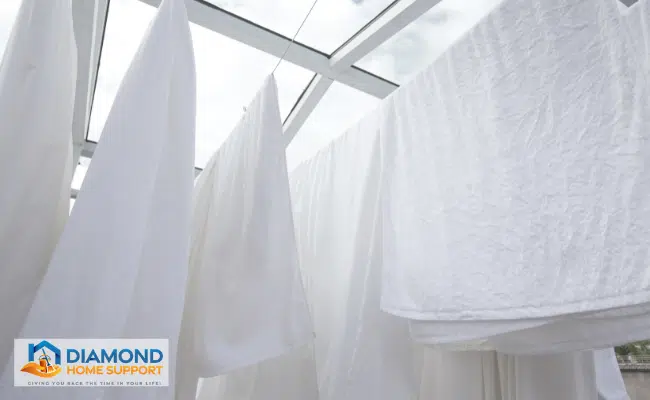
how to stop clothes from smelling damp when indoor drying

How to Dry Clothes Indoors Without Smell in Winter

Winter drying is harder because:

  • Windows stay closed

  • Air is colder

  • Humidity rises indoors

To reduce musty smells:

  • Use a dehumidifier where possible

  • Dry clothes near, but not directly on, a radiator

  • Leave doors open for air movement

  • Avoid drying multiple large loads at once

Drying time matters more than temperature. Moving air dries faster than still warm air.

When the Problem Is Persistent

If clothes repeatedly smell damp despite good ventilation, check for:

  • Mould in the washing machine seal

  • Blocked drain pump filter

  • Overloading the drum

  • Consistently low wash temperatures

A clean machine and proper drying environment solve most cases.

Always follow garment care labels and manufacturer instructions for your washing machine. Test any changes to washing temperature or spin settings against fabric guidance to avoid damage.
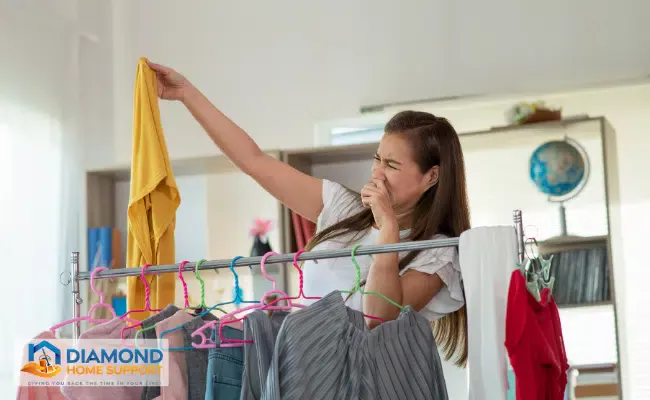
how to stop clothes from smelling damp when indoor drying

How Much Can You Earn From A Cleaning Franchise

Introduction: How Much Can You Earn From A Cleaning Franchise? Starting a business is a big decision, and one of the first questions most people ask is, “How much could I earn?”...

Do You Have The Right Skills To Run A Cleaning Franchise

Introduction: Do You Have The Right Skills To Run A Cleaning Franchise? Running a cleaning franchise is, above all, a people business. You are dealing with clients who want...

Can You Run A Cleaning Franchise From Home?

Introduction: Can You Run A Cleaning Franchise From Home? Yes, you can run a cleaning franchise from home. For many people, that is one of the biggest attractions of the right...

Do You Need Cleaning Experience To Own A Cleaning Franchise

Introduction: Do You Need Cleaning Experience To Own A Cleaning Franchise? One of the most common questions people ask when considering a cleaning franchise is whether they need...

Cleaning Franchise Vs Starting Your Own Cleaning Business

Introduction: Cleaning Franchise Vs Starting Your Own Cleaning Business If you’ve decided you want to run a cleaning business, you’ve already made one important decision. The...

How to Clean a Sink Drain and Stop the Smell

How to Clean a Sink Drain and Stop the Smell To clean a sink drain, remove any visible hair or food debris, flush with hot water, then use bicarbonate of soda and white vinegar...

How to Remove Fridge Odours for Good

Step by Step Guide to Removing Fridge Odours Empty the fridge, bin anything past its date, then wash every shelf, drawer and the door seals with warm water and a splash of white...

How To Clean A Kitchen Splashback

How To Clean A Kitchen Splashback Keeping your kitchen splashback clean isn’t just about appearance. It also helps prevent grease, food splashes and limescale from building up...

How to Clean a Shower Drain Without Harsh Chemicals

How to Clean a Shower Drain To clean your shower drain, lift off the cover, pull out any trapped hair with gloved fingers or a drain brush, then pour in 3 tablespoons of baking...

How to Clean a Washing Machine

To clean a washing machine, run an empty wash on the hottest cycle with 250ml of white vinegar in the drum, then scrub the detergent drawer and wipe the rubber door seal. Finish...

What Does a Typical Day Look Like Running a Cleaning Franchise?

Running a cleaning franchise is not about spending all day cleaning homes yourself. In most management-style cleaning franchises, the day revolves around people, organisation,...

What Is a Management Cleaning Franchise?

A management cleaning franchise is a cleaning business model where the franchisee runs and grows the business rather than carrying out the cleaning work themselves. When people...

The Home Cleaning Market Looks Strong Going Into 2026

The Home Cleaning Market Looks Strong Going Into 2026 The UK’s home cleaning market continues to grow and outperform other sectors. It’s an interesting sector to look at and...

How to Clean a Cheese Grater

How to Clean a Cheese GraterKnowing how to clean a cheese grater properly saves time, avoids cut fingers, and keeps this everyday kitchen tool working as it should. This guide...

How to Deep Clean Bathroom Tile Grout Without Chemicals

Introduction Bathroom grout often becomes a magnet for mould, mildew, and stubborn dirt that can be difficult to remove. If you prefer to avoid harsh chemicals due to...

How to Clean Oven Glass Without Harsh Chemicals

Introduction Cleaning your glass oven door without resorting to harsh chemicals isn't only achievable but also beneficial for your health and the environment. Many commercial...

How to Remove Hard Water Stains From Clothes Effectively

Introduction Hard water is a common challenge in many UK households, often leaving behind stubborn mineral deposits on your clothes after washing. These deposits can make fabrics...

Can I Use A Tumble Dryer In A Garage?

Can I Use a Tumble Dryer in a Garage? Quick Answer: You can use a tumble dryer in a garage if the space is well-ventilated, has a suitable power supply, and meets the...

How to Clean a Glass Shower Door Without Leaving Streaks

How to Clean a Glass Shower Door Without Leaving Streaks Cleaning a glass shower door sounds simple — until you’re left with streaks, water spots, and cloudy patches no matter...

How to Clean a Metal Mesh Cooker Hood Filter Effectively

Introduction Cleaning your metal mesh grease filter is essential for maintaining air quality in your kitchen and keeping your extractor hood running efficiently. Over time, these...

How to Clean Your Bedroom for a Better Night’s Sleep

Introduction Follow this bedroom cleaning checklist to improve sleep quality and create a calming space. Includes daily habits, weekly tasks, and monthly deep cleaning tips....

How to Remove Limescale from Your Toilet

How to Remove Limescale from Your Toilet: The Complete Guide to Cleaning Toilet Limescale, Even Under the Rim Limescale is one of the most stubborn issues in bathrooms,...

Best Way to Clean Greasy Kitchen Cabinets and Remove Grime

Summary The best way to clean greasy kitchen cabinets is to use a mild cleaning solution made from warm water and washing-up liquid or vinegar. Wipe down cabinet doors and...

Best Way To Deep Clean A Carpet

Best Way to Deep Clean a Carpet and Remove Stains From Your Carpet Summary The best way to deep clean a carpet by a long way is to hire a professional carpet cleaner. If that’s...

Giving You Back The Time In Your Life!

Ready to reclaim your weekends and say goodbye to cleaning stress? Our expert team at Diamond Home Support is here to make your home shine!