
To use vinegar to clean your shower head, soak it in white vinegar for one to two hours to dissolve limescale and mineral build-up, then rinse and scrub away any remaining residue. This method restores water pressure, clears blocked spray holes and is especially effective in hard water areas.
Why Vinegar Works on Shower Heads
Before looking at how to use vinegar to clean your shower head, it helps to understand why it works.
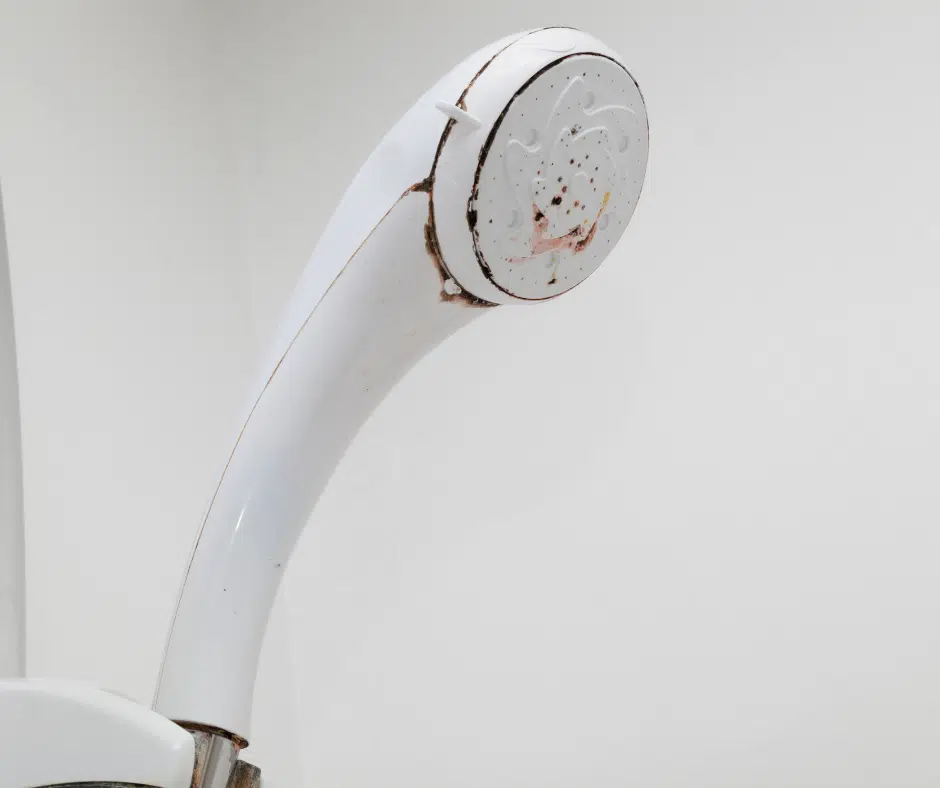
In many UK homes, especially in hard water regions, shower heads become clogged with limescale. This white, chalky residue is mostly calcium carbonate. Vinegar contains acetic acid, which reacts with and breaks down these mineral deposits. Once softened, they can be brushed or rinsed away.
The result is improved water pressure, a more even spray pattern and a cleaner looking fixture.
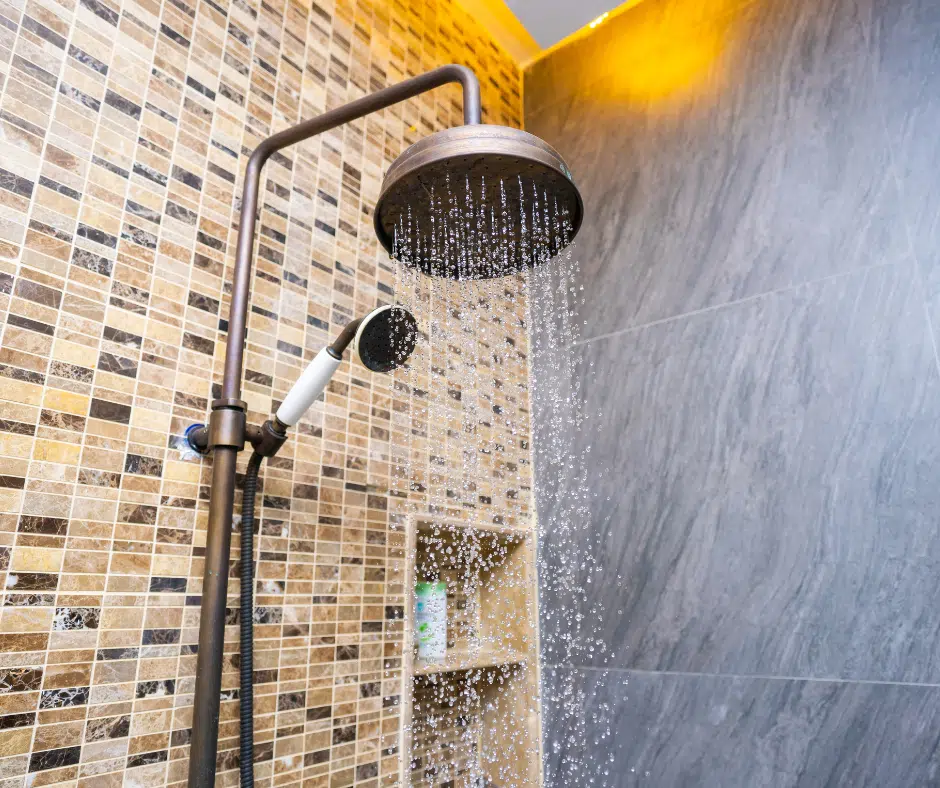
How to Use Vinegar to Clean Your Shower Head. Step by Step
There are two main methods. The right one depends on whether your shower head can be removed.
Method 1. If the Shower Head Is Removable
-
Unscrew the shower head carefully.
-
Place it in a bowl or bucket.
-
Pour enough white vinegar to fully submerge it.
-
Leave to soak for at least 1–2 hours. For heavy limescale, leave overnight.
-
Remove and scrub gently with an old toothbrush, paying attention to the spray nozzles.
-
Rinse thoroughly with warm water.
-
Reattach and run the shower for a minute to flush through.
This is the most thorough way to apply vinegar.
Method 2. If the Shower Head Cannot Be Removed
-
Fill a plastic bag with white vinegar.
-
Place the bag over the shower head so it is fully submerged.
-
Secure it tightly with a rubber band or cable tie.
-
Leave for 1–2 hours.
-
Remove the bag and scrub gently.
-
Run hot water to rinse.
This method is simple and avoids dismantling fittings.
How Often Should You Clean a Shower Head?
If you live in a hard water area, cleaning every 1–3 months helps prevent heavy build-up. In softer water areas, twice a year is usually sufficient.
Regular maintenance makes the process quicker and avoids stubborn scaling.
Signs Your Shower Head Needs Cleaning
You may need to use vinegar to clean your shower head if you notice:
-
Uneven spray pattern
-
Reduced water pressure
-
Water spraying sideways
-
Visible white limescale around the nozzles
-
A slight odour from stagnant water
Addressing these early prevents deeper blockages.
Extra Tips for Better Results
Use Warm Vinegar
Slightly warming the vinegar increases its effectiveness. Do not boil it. Gentle warmth is enough.
Clear Nozzles Manually
After soaking, use a pin or cocktail stick to gently clear individual spray holes if needed.
Add Baking Soda for Stubborn Build-Up
For heavier deposits, sprinkle a small amount of bicarbonate of soda onto the shower head before soaking. The mild fizzing action can help lift residue.
Avoid mixing in sealed containers, as pressure can build.
What Type of Vinegar Should You Use?
Plain white vinegar is best. It is clear, inexpensive and leaves less residue.
Avoid malt vinegar, as it has colouring and a strong smell.
Is Vinegar Safe for All Shower Heads?
Vinegar is safe for most chrome and stainless steel fittings when used occasionally. However:
-
Avoid prolonged soaking of plated finishes.
-
Check manufacturer guidance for speciality coatings.
-
Rinse thoroughly after cleaning.
If unsure, test on a small area first.
The Wider Benefits of Cleaning Your Shower Head
Understanding how to use vinegar to clean your shower head is not just about appearance.
Regular cleaning can:
-
Improve water efficiency
-
Extend the life of the fixture
-
Prevent bacterial build-up in stagnant areas
-
Improve overall shower experience
It is a small task with noticeable results.
Common Mistakes to Avoid
-
Leaving vinegar on for days.
-
Scrubbing aggressively with abrasive pads.
-
Forgetting to rinse thoroughly.
-
Ignoring internal rubber washers when dismantling.
Gentle cleaning is effective. Overdoing it can damage finishes.
Final Thoughts on How to Use Vinegar to Clean Your Shower Head
Learning how to use vinegar to clean your shower head is a simple home maintenance skill that pays off quickly. With minimal cost and effort, you can restore water pressure, remove limescale and keep your shower hygienic.
A clear spray pattern and steady flow are often just a soak away.
Always follow manufacturer guidance for your specific fixture and test cleaning methods on a small area first to avoid surface damage.
Why not read some of our other Blog articles:
How to Deep Clean Grout on Bathroom Tiles Without Chemicals
How To Clean Your Induction Hob
7 Cleaning Tips For First Time Home Owners
Ten Tips For Cleaning Your Loft
How To Clean Mould From Kitchen Cupboards
What Are Deep Cleaning Services?
7 Reasons You Hate Cleaning Your Home
Find out about professional cleaning services in your area and get the time back in your life! In some areas we can also offer home help services. Perhaps you're just wondering how much does a cleaner cost?