
Tips For Preventing Mould And Mildew In Bathrooms
Understanding the Basics: What Are Mould and Mildew?
Mould and mildew are types of fungi that can grow and thrive in damp and humid environments. They are often found indoors in areas such as bathrooms, kitchens, and basements where moisture levels are high.
Mould usually appears as green or black spots and can cause damage to the surfaces it grows on. It can also trigger allergic reactions and respiratory problems in some people.
Mildew, on the other hand, is a type of mould that typically appears as powdery, white or grey spots. It is commonly found on damp surfaces such as walls, fabrics, and paper.
Both mould and mildew can be harmful to health and should be removed promptly to prevent further growth and damage. Prevention methods include addressing any sources of moisture, improving ventilation, and regularly cleaning and inspecting susceptible areas for signs of growth.
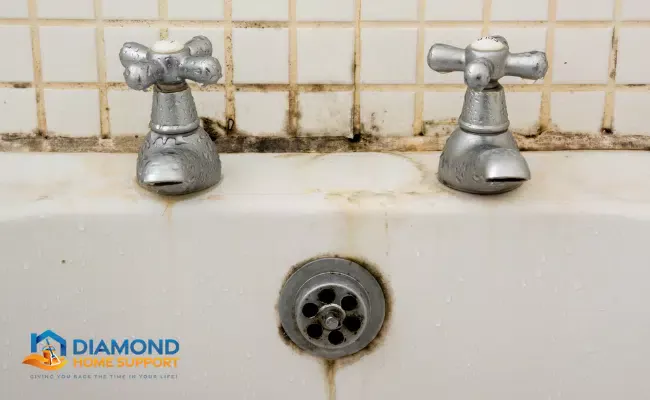
Why Bathrooms Are a Hotspot for Mould and Mildew Growth?
Bathrooms are a hotspot for mould and mildew growth because they provide the perfect conditions for these fungi to thrive.
- Moisture: Bathrooms are typically a damp and humid environment due to the presence of water from showers, baths, sinks, and toilets. The high moisture levels create an ideal breeding ground for mould and mildew to grow.
- Lack of ventilation: Inadequate ventilation in bathrooms can lead to trapped moisture, allowing mould and mildew to flourish. Without proper ventilation, the dampness from showers and baths can linger, creating an environment that is conducive to mould growth.
- Organic material: Bathrooms often contain organic materials such as wood, drywall, and grout, which are susceptible to mould and mildew growth when exposed to moisture. These materials provide a food source for mould, allowing it to spread and thrive.
- Warmth: Bathrooms are often kept at a warm temperature, especially during and after showers or baths. This warmth, combined with the moisture, creates an ideal environment for mould and mildew to thrive.
To prevent mould and mildew growth in bathrooms, you need to maintain good ventilation, control moisture levels, and regularly clean and maintain all surfaces to prevent the build-up of organic material.
The Health Impacts of Mould and Mildew
Recognising the Health Risks Associated with Bathroom
Mould is not just an aesthetic issue; it also poses several health risks. mould thrives in humid and damp environments, such as bathrooms, and can cause or exacerbate several health problems, including:
1. Respiratory issues: Breathing in mould spores can trigger allergic reactions in some people, leading to symptoms such as coughing, wheezing, and shortness of breath. Those with asthma may experience worsening symptoms when exposed to mould.
2. Irritation of the eyes, nose, and throat: Mould spores can cause irritation and inflammation of the eyes, nose, and throat, leading to symptoms such as itching, redness, and a runny nose.
3. Skin irritation: Contact with mould can cause skin rashes and irritation in some individuals, especially those with sensitive skin.
4. Infections: Some types of mould can produce mycotoxins, which are toxic substances that can cause infections and other health issues when inhaled or ingested.
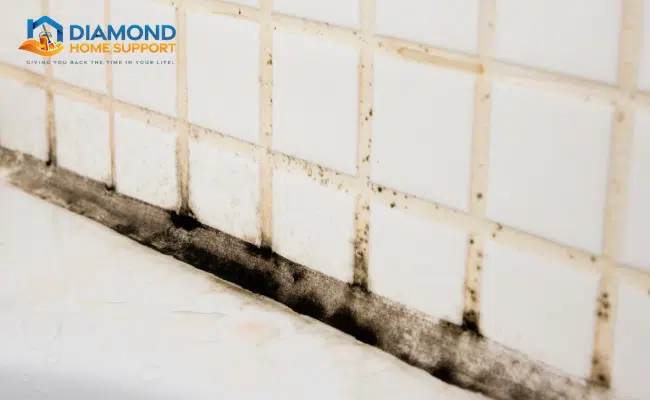
Identifying Mould and Mildew in Your Bathroom
Common Signs and Symptoms of Bathroom Mould and Mildew
- Black or greenish spots on the walls, ceiling, or grout
- Musty or earthy odour
- Respiratory issues such as coughing, wheezing, or congestion
- Allergic reactions such as sneezing, itching, or skin rashes
- Damp or humid feeling in the bathroom
- Peeling or discoloured paint or wallpaper
- Visible water damage or leaks
- Discolouration or staining on bathroom fixtures such as sinks, tubs, or toilets
Troublesome Areas: Identifying Hidden Mould in Bathrooms
Identifying hidden mould in bathrooms can be troublesome because it often grows in areas that are out of sight or difficult to access. Some common troublesome areas where hidden mould can be found in bathrooms include:
1. Behind tiles or grout: mould can often grow behind tiles or in the grout lines, especially in areas where water frequently splashes or leaks.
2. Underneath sinks and vanities: Leaky pipes and taps can create moist conditions underneath sinks and vanities, providing an ideal environment for mould to thrive.
3. Inside walls: If there is a leak in the plumbing or a poorly ventilated bathroom, mould can develop inside walls, out of sight.
4. Behind wallpaper or paint: Moisture can cause wallpaper or paint to peel, providing a hidden space for mould to grow.
5. In shower curtains and liners: mould can easily develop on shower curtains and liners, especially if they are not regularly cleaned and dried.
Preventive Measures to Keep Mould and Mildew at Bay
1. Keep your home dry and well-ventilated. Use fans in bathrooms and kitchens to reduce moisture levels.
2. Repair any leaks in pipes, roofs, or windows to prevent water from seeping into your home.
3. Use a dehumidifier to reduce moisture levels in damp or humid areas of your home.
4. Clean and dry any water-damaged or wet areas within 24-48 hours to prevent mould growth.
5. Use mildew-resistant paints and cleaning products in areas prone to moisture, such as bathrooms and basements.
6. Keep indoor humidity levels below 60%, using proper ventilation as needed.
7. Use mould-resistant materials, such as mould-resistant drywall or insulation, when building or renovating your home.
8. Regularly clean and inspect areas prone to mould and mildew, such as bathrooms and basements, to catch and prevent growth early.
9. Avoid keeping items in storage that can collect moisture, such as cardboard boxes or old clothing, to prevent mould growth.
10. Keep your home clean and free of clutter, as mould and mildew can grow on dust and dirt. Regularly dust and vacuum your home to prevent build-up.
Daily and Weekly Cleaning Tips
Effective Cleaning Solutions for Mould and Mildew Removal
When dealing with mould and mildew, it's important to use effective cleaning solutions to completely remove them from your home. Here are a few solutions that can help:
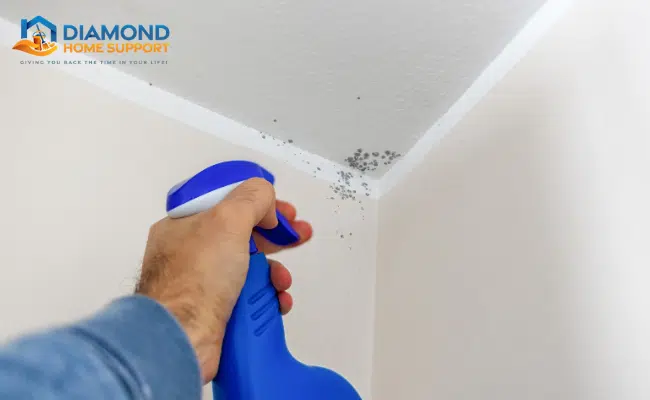
1. Vinegar: White vinegar is an effective and natural solution for removing mould and mildew. Simply mix equal parts water and white vinegar in a spray bottle and spray the affected areas. Let it sit for a few hours, then wipe with a damp cloth. The acidic nature of vinegar helps to kill mould and mildew and prevent their return.
2. Bleach: For tougher mould and mildew stains, a solution of bleach and water can be used. Mix one part bleach with three parts water and apply it to the affected areas. Let it sit for 15 minutes, then scrub with a brush and rinse thoroughly with water. Be sure to ventilate the area and wear gloves while using bleach.
3. Hydrogen Peroxide: Hydrogen peroxide is another effective solution for removing mould and mildew. Simply pour 3% hydrogen peroxide into a spray bottle and spray it on the affected areas. Let it sit for 10 minutes, then scrub with a brush and rinse with water. Hydrogen peroxide is a safe and non-toxic alternative to bleach.
4. Baking Soda: Baking soda is a natural and gentle solution for removing mould and mildew. Mix 1/2 cup of baking soda with a few tablespoons of water to make a paste. Apply the paste to the affected areas and scrub with a brush. Rinse with water and repeat if necessary. Baking soda helps to absorb moisture and odours, making it effective for preventing mould and mildew growth.
Routine Cleaning Schedules to Prevent Mould Growth
- Bathroom cleaning: Clean and dry the shower, bathtub, and sink after use to prevent moisture buildup. Clean the bathroom at least once a week with a bathroom cleaner that kills mould and mildew.
2. Kitchen cleaning: Wipe down kitchen surfaces, including countertops, sinks, and appliances, after cooking or preparing food. Clean the kitchen thoroughly at least once a week to prevent food and moisture buildup.
3. Laundry room cleaning: Keep the laundry room clean and dry, especially around the washing machine and dryer. Clean any spills and leaks promptly, and ensure the room is well-ventilated during and after doing laundry.
4. Bedroom and living areas cleaning: Vacuum and dust regularly to remove any potential mould spores and prevent dust buildup that can create moisture. Keep windows and doors open as much as possible to promote air circulation.
5. Basement cleaning: Keep the basement clean and dry by regularly checking for leaks and moisture buildup. Use a dehumidifier if necessary and clean any spills or damp areas promptly.
6. Regular maintenance: Inspect and maintain plumbing, roofing, and ventilation systems regularly to prevent leaks and moisture buildup. Replace any damaged or leaking fixtures as soon as possible.
7. Outdoor cleaning: Keep gutters and downpipes clean and free of debris to prevent water from pooling near the foundation of the house. Trim any overhanging tree branches that could block sunlight and airflow to the house.
Addressing Humidity and Moisture Control
The Importance of Exhaust Fans and Dehumidifiers
Exhaust fans and dehumidifiers play a crucial role in preventing mould growth in bathrooms. Mould thrives in damp and humid environments, making bathrooms an ideal breeding ground. Here's why exhaust fans and dehumidifiers are essential in controlling bathroom moisture and mould:
1. Moisture Removal: The primary function of exhaust fans and dehumidifiers is to remove excess moisture from the air. When you take a hot shower or bath, the steam created adds moisture to the air. Without proper ventilation, this moisture can linger and create an environment where mould can grow. Exhaust fans and dehumidifiers help to quickly remove this excess moisture, preventing mould from developing.
2. Prevents Odour: Damp and humid bathrooms can develop a musty and unpleasant odour, which is often a sign of mould growth. By removing excess moisture from the air, exhaust fans and dehumidifiers can help to keep the bathroom smelling fresh and clean.
3. Protects Health: Mould spores can cause allergic reactions and respiratory problems for some individuals, particularly those with allergies or asthma. By preventing mould growth, exhaust fans and dehumidifiers can help to maintain a healthier indoor environment and reduce the risk of health issues related to mould exposure.
4. Preserves Bathroom Surfaces: Excess moisture can also damage bathroom surfaces such as paint, wallpaper, and grout. Mould growth can also cause staining and deterioration of surfaces. By controlling moisture levels, exhaust fans and dehumidifiers can help to preserve the integrity of bathroom surfaces and reduce the need for costly repairs and maintenance.
Simple Habits to Reduce Bathroom Humidity Levels
- Use an exhaust fan or open a window while showering to allow excess moisture to escape.
2. Wipe down the shower walls and floor after each use to prevent standing water and reduce humidity.
3. Fix any leaks or drips in the bathroom to prevent excess moisture from accumulating.
4. Install a dehumidifier in the bathroom to help lower humidity levels.
5. Hang up wet towels and bathmats to dry outside of the bathroom to prevent adding to the humidity.
Waterproofing Solutions for Bathrooms
Waterproofing solutions for bathrooms are essential to prevent water damage and mould growth. These solutions include using waterproofing membranes, sealants, and waterproofing systems for shower areas and wet rooms. Proper waterproofing can help ensure the longevity and durability of bathroom structures and prevent costly repairs in the future.
Repair and Maintenance Strategies
Fixing Leaks: A Critical Step in Mould Prevention
One of the most critical steps in preventing mould in a home is fixing leaks. Leaks can occur in various areas of a home, including the roof, windows, plumbing, and appliances. When left unattended, leaks can create the perfect environment for mould to grow and thrive.
Mould requires moisture to grow, and a leak provides the perfect source of water for mould to flourish. Additionally, leaks can also create damp and humid conditions, which are ideal for mould growth. If left untreated, mould can spread quickly and pose serious health risks to those living in the home.
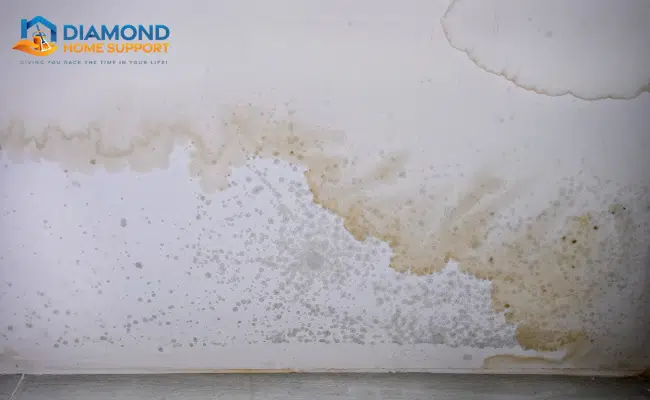
To prevent mould growth, it is important to address any leaks as soon as they are discovered. This may involve repairing a damaged roof, fixing a leaking pipe, or sealing gaps around windows and doors. It is also important to keep an eye out for any signs of water damage, such as discoloured walls or ceilings, peeling paint, or a musty odour, and address the issue promptly.
Sealants and Grout: Preventing Water Penetration in Bathroom Surfaces
In the often wet and humid environment of a bathroom, it is crucial to prevent water from penetrating surfaces such as tiles and natural stone. This is where sealants and grout come into play. Sealants are designed to protect surfaces by creating a water-resistant barrier, while grout fills in the gaps between tiles to prevent water from seeping through.
Sealants are typically applied to natural stone, such as marble or granite, as well as to ceramic and porcelain tiles. They are available in both water-based and solvent-based formulations, each offering different levels of protection and durability. When choosing a sealant, it is important to consider the type of surface being treated and the level of water exposure it will receive.
Grout, on the other hand, is a cement-based material that is applied between tiles to create a uniform and waterproof surface. It comes in a variety of colors to match the tiles and can be mixed with additives to enhance its water resistance. Grout is also available in sanded and unsanded varieties, with sanded grout being suitable for wider gaps between tiles and unsanded grout for narrower gaps.
When properly applied and maintained, sealants and grout can effectively prevent water penetration in bathroom surfaces, reducing the risk of mould, mildew, and water damage. It is important to regularly inspect and reapply sealants and grout as needed to ensure their effectiveness and prolong the life of bathroom surfaces. Additionally, following manufacturer recommendations and proper installation techniques is crucial to achieving optimal water resistance in bathroom surfaces.
When to Consider Professional Mould Remediation?
Professional mould remediation should be considered when you discover extensive mould growth in your home or business. It is also necessary when the mould is toxic or harmful to your health, when you have immune-compromised individuals in the household, when the mould covers a large area, or when the mould is recurring despite your efforts to clean it. Professional mould remediation experts have the skills, equipment, and knowledge to safely and effectively remove mould from your property.
Innovative Solutions and Products
- Smart Moisture Sensors: These sensors can be placed in areas prone to dampness and can detect when humidity levels are rising to potentially harmful levels. The sensors can be connected to a smartphone app to alert homeowners when action needs to be taken to prevent mould and mildew growth.
2. Anti-mould Paint Additives: Additives can be mixed into paint to prevent mould and mildew growth on walls and ceilings. These additives typically contain antimicrobial ingredients that inhibit the growth of mould and mildew, effectively keeping surfaces clean and free from harmful microorganisms.
3. Mould-Resistant Building Materials: Innovative building materials, such as moisture-resistant drywall and mould-resistant insulation, are designed to prevent moisture from getting trapped within walls and creating a breeding ground for mould and mildew.
4. UV-C Light Air Purifiers: These devices use ultraviolet light to kill mould spores and other harmful microorganisms in the air. They can be particularly effective in damp areas such as basements and bathrooms.
5. Natural Anti-Mould Solutions: Natural products such as tea tree oil, vinegar, and hydrogen peroxide can be used as effective mould and mildew preventatives. These products can be incorporated into cleaning solutions or air purifiers to naturally combat mould growth without harsh chemicals.
6. Dehumidifiers: Innovative dehumidifiers equipped with smart technology can automatically adjust humidity levels in a home to prevent mould and mildew growth. Some models can also be connected to a smartphone app for remote monitoring and control.
7. Ventilation Systems: Innovative ventilation systems with humidity sensors can automatically adjust airflow to reduce moisture levels and prevent mould and mildew growth in areas such as bathrooms, kitchens, and basements.
8. Mould-Resistant Sealants: Innovations in sealant technology have led to the development of products specifically designed to prevent mould and mildew growth in areas such as bathrooms and kitchens where moisture is prevalent.
Conclusion:
It is important to regularly maintain a clean and dry bathroom to prevent the growth of mould. This can be achieved by ensuring proper ventilation and air circulation, using bathroom fans, wiping down surfaces regularly, fixing any leaks or water damage, and using mould-resistant products. By implementing these strategies, homeowners can create a healthier and more pleasant bathroom environment, free from the harmful effects of mould.
FAQs on Preventing Mould and Mildew in Bathrooms
Q: What are some common signs of mould growth in a home?
A: Some common signs of mould growth in a home include a musty odour, visible mould growth on walls, ceilings, or floors, discoloured patches on walls or ceilings, peeling paint or wallpaper, and persistent allergy or respiratory symptoms.
Q: How can I prevent mould growth in my home?
A: To prevent mould growth in your home, you can take several steps such as controlling humidity levels, fixing leaks and drips promptly, improving ventilation in areas prone to moisture buildup, using air purifiers or dehumidifiers, and regularly cleaning and maintaining your home.
Q: How often should I inspect for mould in my home?
A: It is advisable to inspect for mould in your home at least once a year, especially in areas that are prone to moisture buildup such as bathrooms, basements, and kitchens. Regular inspections can help you identify and address mould issues before they become a bigger problem.
Q: What steps can I take to maintain a mould-free environment in my home?
A: To maintain a mould-free environment in your home, you should regularly clean and dry areas prone to moisture buildup, fix any leaks or water damage promptly, use exhaust fans or open windows to improve ventilation, and consider using mould-resistant products in areas such as bathrooms and kitchens.
Q: When should I seek professional help for mould removal?
A: You should seek professional help for mould removal if you have a large-scale mould problem, extensive water damage, or if you have health concerns related to mould exposure. Professional mould remediation experts can properly assess and address the mould issue in your home.
Other Blog articles you might like:
10 Daily Simple Habits To Keep For A Cleaner Home
Clean Your House Fast: Hacks to Clean Your House Quickly!
Do Cleaners Tidy Up? The Great Debate When Hiring A House Cleaner
What Are House Cleaning Services?
Enhancing Home Hygiene: The Use Of Essential Oils For Cleaning
The Secret To A Clean And Organised Small Living Space
10 Professional Cleaning Tips For Bathrooms
10 Cleaning Tips For Pet Owners
Cleaning Your Bathroom? Don't Forget These Often Missed Areas
How To Use Vinegar To Clean Your Shower Head
How To Use Lemons To Clean Your Microwave
The Ultimate Guide To Dusting Your Home Like A Pro
How To Keep Your Home Tidy And Organised
10 Surprising Uses For Vinegar In Your Cleaning Routine
Natural Cleaning Alternatives You Can Make At Home
Diamond Home Support offers professional cleaning services and home help services in many parts of the UK.