
Introduction
Bathroom grout often becomes a magnet for mould, mildew, and stubborn dirt that can be difficult to remove. If you prefer to avoid harsh chemicals due to sensitivities, environmental concerns, or simply want a safer way to clean your bathroom, rest assured that deep cleaning the grout without chemicals is entirely achievable. Using common household ingredients and a bit of elbow grease, you can clean tile grout effectively and restore your grout’s brightness while maintaining a fresh, hygienic bathroom environment.
Why Avoid Harsh Chemicals?
Some commercial grout cleaners contain strong chemicals such as bleach that can irritate the skin and eyes or cause breathing difficulties. Prolonged use may even damage the grout itself or discolour surrounding tiles, which is far from ideal. For households with children, pets, or allergy sufferers, a common scenario in many homes, gentler grout cleaning methods are especially beneficial. Opting for chemical-free cleaning products also contributes positively to environmental health by reducing the release of harmful substances into water systems and indoor air.
Gathering Your Supplies
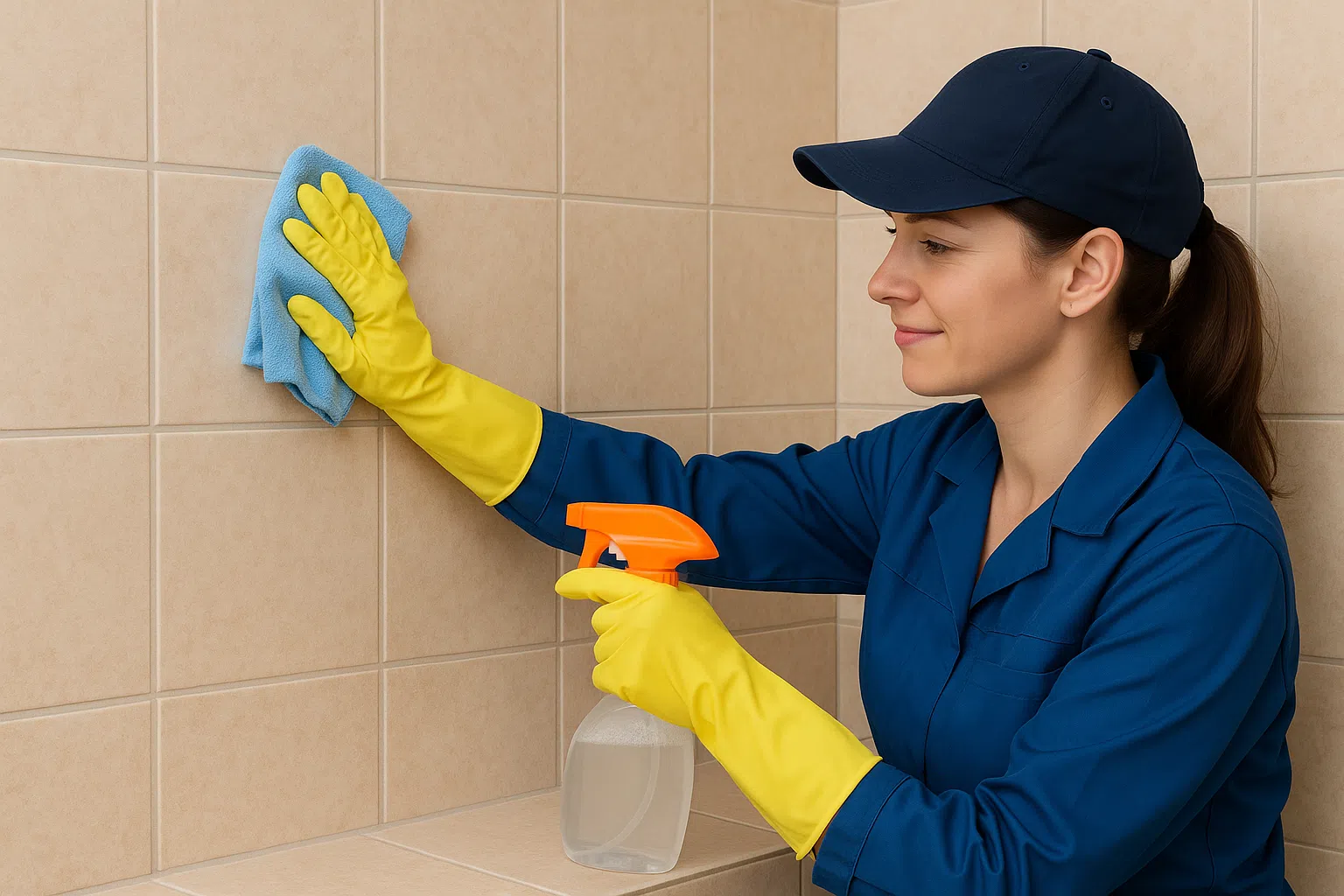
Before you begin, assemble the following items: white vinegar, baking soda, hydrogen peroxide (3% solution), an old toothbrush or small grout brush, a spray bottle, microfibre cloths or sponges, warm water, and optionally rubber gloves if your skin is sensitive. These simple ingredients work together effectively to tackle dirty grout while being safe and eco-friendly.
A Step-by-Step Guide to Deep Cleaning Bathroom Grout Naturally
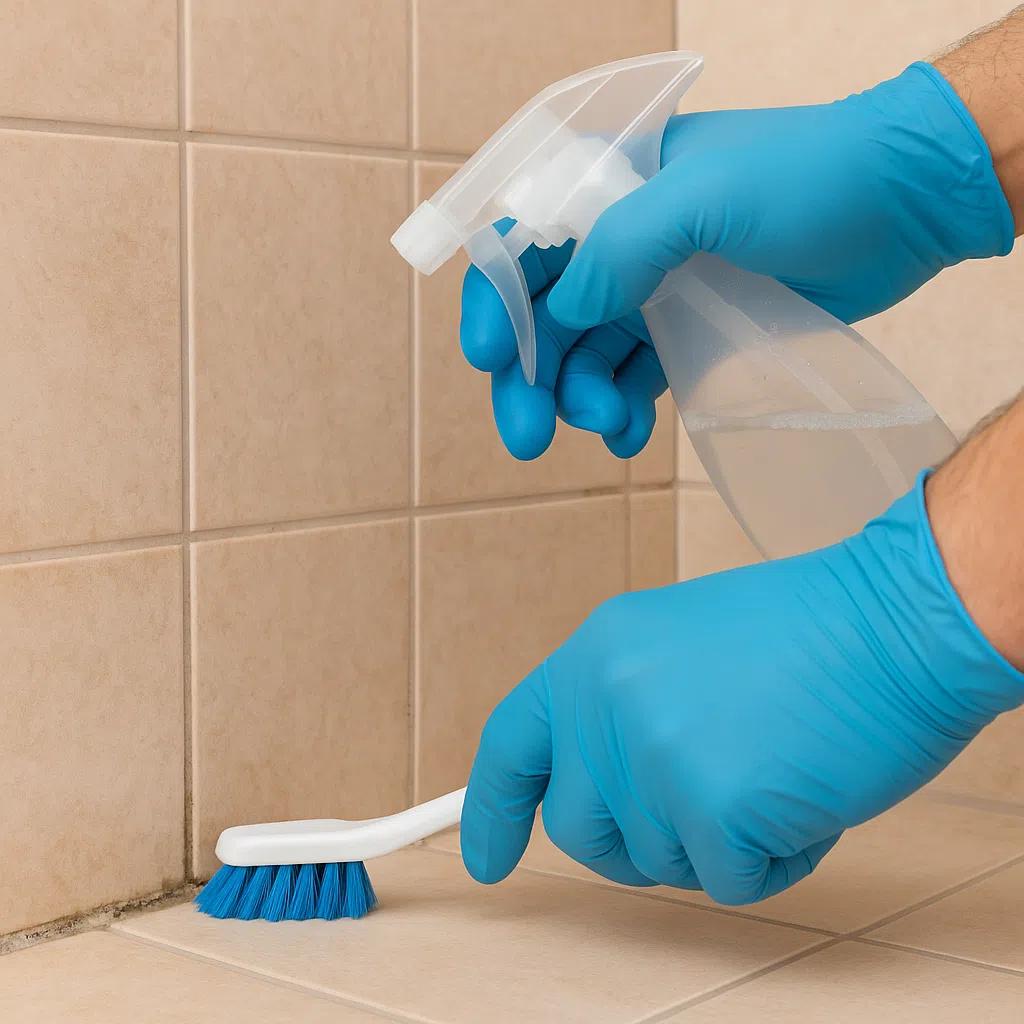
Start by clearing any items around your tiled area and ensure the grout lines are dry. This helps the cleaning agents adhere better. Next, create a thick paste by mixing baking soda with just enough water. Apply this paste generously along the grout lines using your toothbrush or grout brush. Baking soda acts as a gentle abrasive that lifts dirt without damaging the grout and is one of the best ways to clean grout naturally.
Fill your spray bottle with white vinegar and spritz it over the baking soda-covered grout lines. You will notice fizzing as the two react. This reaction helps break down grime and mould effectively. Allow this mixture to sit for five to ten minutes but watch carefully so it does not dry out completely. This simple way to clean grout gives excellent results without the need for harsh chemicals.
Now comes the scrubbing stage. Using firm circular motions with your toothbrush or scrubbing brush, focus on areas where stains or mould have settled in deeply. Be careful not to scrub too vigorously as this could harm the grout’s surface. To achieve the best results, work in small sections and rinse as you go.
Once you have thoroughly scrubbed all affected areas, use a damp microfibre cloth or sponge soaked in warm water to wipe away all residues of baking soda and vinegar. Rinse your cloth frequently during this process to avoid leaving behind any sticky film that might dull tile surfaces. This simple grout cleaning method is one of the best ways to clean your tiles and grout naturally.
If some stubborn stains persist after this treatment, apply hydrogen peroxide (3%) directly onto those spots rather than soaking all the grout again. Hydrogen peroxide serves as both a disinfectant and brightener. Leave it on for about ten minutes before gently scrubbing once more and rinsing thoroughly. This approach is ideal when you need to clean older or heavily stained areas and still want to keep grout in good condition. Never mix the hydrogen peroxide with other chemicals and use in a well-ventilated area.
Maintaining Clean Grout: Practical Tips
Keeping your bathroom grout clean over time requires consistent care alongside deep cleans. After every shower or bath session, take a moment to wipe down tiles and grout with a dry cloth. This simple habit reduces moisture build-up that encourages mould growth and helps you keep grout looking bright. Ensuring good ventilation by opening windows when weather permits or running extractor fans also plays an essential role in preventing dampness.
If you notice any spills or marks on your tiles or grout between deep cleans, address them promptly using a small amount of baking soda paste applied directly onto the spot. This prevents stains from setting in permanently. Once you have cleaned the grout thoroughly and allowed it to dry completely, consider applying a grout sealer designed for bathroom use, available at most DIY stores across the UK. Sealing helps repel dirt and moisture long-term, making future cleaning the grout easier and preserving your bathroom’s appearance.
When Should You Call in Professionals?
If grime has deeply embedded itself into crumbling grout or persistent mould refuses to budge despite repeated natural treatments, it may be time to seek professional assistance with a cleaning service. Experts possess specialised knowledge and often are capable of restoring tiled areas safely without causing damage. Always learn how to clean safely and follow manufacturer instructions carefully when using any cleaning or sealing products yourself.
Conclusion
This chemical-free way to clean bathroom grout isn’t only practical but also prioritises safety for both your family and the environment. While it requires some effort compared with quick-fix chemical cleaners, natural ingredients like baking soda, vinegar, and hydrogen peroxide pack an impressive punch against grime when used correctly. By adopting these methods alongside regular maintenance habits such as wiping down surfaces after use and ensuring proper ventilation, you can enjoy brightened grout lines and clean floor tile grout that contribute significantly to a fresh-smelling and hygienic bathroom space.
There are many other bathroom cleaning tips we can share with our experience in the home cleaning market. Like for example, how to clean a toilet brush or how to remove limescale from your toilet.
Why not read some of our other Blog articles:
How to Deep Clean Grout on Bathroom Tiles Without Chemicals
How To Clean Your Induction Hob
7 Cleaning Tips For First Time Home Owners
Ten Tips For Cleaning Your Loft
How To Clean Mould From Kitchen Cupboards
What Are Deep Cleaning Services?
7 Reasons You Hate Cleaning Your Home
Find out about professional cleaning services in your area and get the time back in your life! In some areas we can also offer home help services. Perhaps you're just wondering how much does a cleaner cost?