
Introduction: 3 Techniques For Cleaning Bathroom Tiles
Bathroom tiles can easily accumulate dirt, soap scum, and grime, making your once pristine haven look dull and unclean. Fear not, as there are various techniques at your disposal to restore the sparkle and freshness to your bathroom. In this article, we'll explore 3 effective methods for cleaning bathroom tiles.
With a combination of natural ingredients and a few simple tools, you can remove stubborn stains and keep your bathroom looking impeccable. The best part? These techniques don't require any harsh chemicals or specialised products, making them budget-friendly and environmentally conscious.
From baking soda to vinegar, the solutions we'll discuss can be found in most households and are proven to be highly effective in tackling the most common problems associated with bathroom tiles. So, let's dive in and help you achieve a spotless and shining bathroom with ease.
Choosing Proper Cleaning Methods
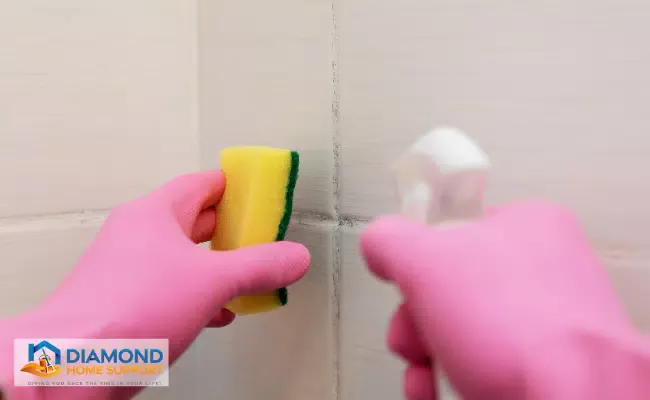
Before starting the tile cleaning process, it is essential to know your bathroom tiles' material. Tiles are typically made from natural stone, porcelain, or ceramic. Each material has unique care requirements, so it is crucial to choose the appropriate cleaning methods to avoid damaging your tiles.
Cleaning products are available in various strengths and formulations. For routine maintenance, use a mild cleaner that is safe for all types of bathroom tile materials. You can opt for a commercially available tile and grout cleaner or choose a homemade solution using natural ingredients, such as baking soda, vinegar, or lemon. Always remember to test a small, inconspicuous area before applying any cleaner to the entire surface to ensure it will not harm your tiles.
When dealing with tough stains and build-up on tiles or grout, you may require a stronger grout cleaner or a specialised product designed for specific tile materials. Keep in mind that aggressive cleaners can damage or discolour your tiles over time. Hence, it is best to use them sparingly and strictly adhere to the manufacturer's instructions.
Steam cleaners can be an effective and eco-friendly option for deep-cleaning your bathroom tiles. This method utilises hot steam to loosen dirt and grime, particularly suitable for tiles with difficult-to-reach nooks and crannies. However, it is important to consult the tile manufacturer's guidelines or seek professional advice before using a steam cleaner, as excessive heat or steam can damage certain materials.
Lastly, for large or heavily soiled areas, it may be worthwhile to invest in professional cleaning services. These experts have the knowledge, tools, and equipment to revitalise even the most neglected bathroom tiles and grout, saving you time and effort in the long run.
As a rule of thumb, always start with the gentlest cleaning method and gradually increase the intensity as needed. By choosing the correct cleaning products and methods, you can ensure your bathroom tiles remain clean, attractive, and well-maintained for years to come.

Basic Techniques for Cleaning Bathroom Tiles
Soap and Water
Cleaning bathroom tiles can be a simple task if you use the right techniques. One of the most basic and effective methods for cleaning tiles is to use soap and water. Start by filling a bucket with warm water and adding a few drops of washing up liquid. Stir the mixture to create a soapy solution.
Next, grab a sponge or a damp cloth and dip it into the soapy water. Gently rub the sponge across the tile surface, focusing on areas with stains or built-up grime. The combination of warm water and soap will help to dissolve dirt and grime, making it easier to remove.
For more stubborn stains, you may need to apply a bit more pressure when scrubbing the tiles. Remember to frequently rinse your sponge or cloth in the soapy water to remove dirt and prevent it from accumulating on the tile surface.
After you have finished cleaning the tiles, use clean water and a sponge or cloth to rinse them. It is essential to remove any soap residue, particularly on floor tiles, as it can cause the tiles to become slippery when wet. After rinsing, use a clean, dry cloth or towel to buff the tiles and remove any remaining moisture.

Using Vinegar and Baking Soda
Cleaning with Vinegar
Vinegar is an excellent natural cleaner for bathroom tiles, as it effectively tackles soap scum and other build-up. To begin, fill a spray bottle with equal parts distilled white vinegar and warm water. Spray the solution onto your ceramic, porcelain, or marble tiles, and let it sit for five to 10 minutes to loosen any grime.
After the solution has had time to work, use a scrub brush to gently clean the tiles. Focus on areas with lots of build-up, and be sure to rinse the tiles well to remove all dirt and vinegar residue. It's important to note that vinegar is not suitable for all surfaces, so be sure to test it on a small, inconspicuous area first if you're unsure.
Combining Vinegar and Baking Soda
For more stubborn stains or dirty grout, combining vinegar and baking soda can provide a powerful cleaning solution. To create a baking soda paste, mix a ¼ cup of baking soda with enough water to create a thick consistency.
Apply the paste to the affected areas on your tiles or grout, and then spray the vinegar and water solution on top of the paste. You'll notice a fizzing reaction, which is the baking soda and vinegar working together to break down dirt and stains.
Allow the mixture to sit on the tiles and grout for a few minutes, then scrub the area with a brush or sponge. Be sure to rinse thoroughly with water to remove any residue.
Using vinegar and baking soda together can give your bathroom tiles a refreshed, clean appearance. Just remember to check the suitability of these natural cleaners on your tiles to avoid any damage.
Prevention and Maintenance
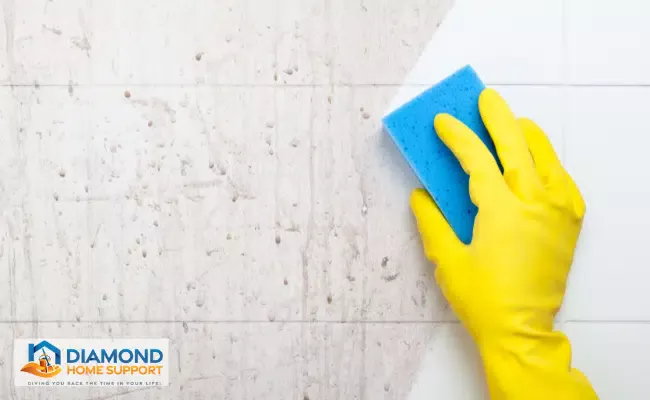
Routine cleaning and maintenance of bathroom tiles can prevent the build-up of mildew and keep your space looking fabulous. It's important to use safe, effective methods and avoid fumes or harsh chemicals. Keep your bathroom well-ventilated by opening windows when appropriate.
To maintain clean shower tiles, begin by regularly wiping them down after use. This helps remove excess moisture and prevents mould growth. If you want to learn how to clean shower tiles effectively, various methods are available - ranging from natural options like baking soda and vinegar to commercial tile cleaners.
Vacuuming or sweeping your floor tiles will help remove loose dirt and debris, making it easier to keep them in pristine condition. If you notice tough stains, tackle them quickly with an appropriate cleaning solution. When using a chemical cleaner, ensure the area is well-ventilated and follow the product's instructions.
Grouting can be a particular challenge, as dirt and grime tend to build up between tiles. Gentle scrubbing with a toothbrush or small brush can help dislodge grime and minimise the need for heavy-duty cleaning. Regularly wiping down grouting and using commercial tile cleaners can help to remove more stubborn grout stains.
It's essential to keep the bathroom area clutter-free by removing toiletries and other items from surfaces. Keeping a minimal amount of products within the bathroom will reduce hideaways for dust and dirt, making it easier to maintain cleanliness. Ensure shower curtains or glass doors are cleaned frequently, as they can also accumulate dirt and contribute to an unkempt bathroom atmosphere.
By following these tips, you'll enhance the appearance of your bathroom while maintaining a safe, clean space for you and your family.
Take a look at some of our other blog articles:
How to Clean a Glass Shower Door Without Leaving Streaks
Should You Clean Before a Cleaner Comes?
How To Reduce Allergens In Your Bedroom
6 Reasons Why You Should Use Distilled Water When Cleaning
5 Tips For Cleaning Your Outdoor Furniture
3 Techniques For Cleaning Bathroom Tiles
How To Clean Windows Effectively
Find out about professional house cleaning services in your area and get the time back in your life! In some areas we can also offer home help services.