
How to Reduce Allergens in the Bedroom?
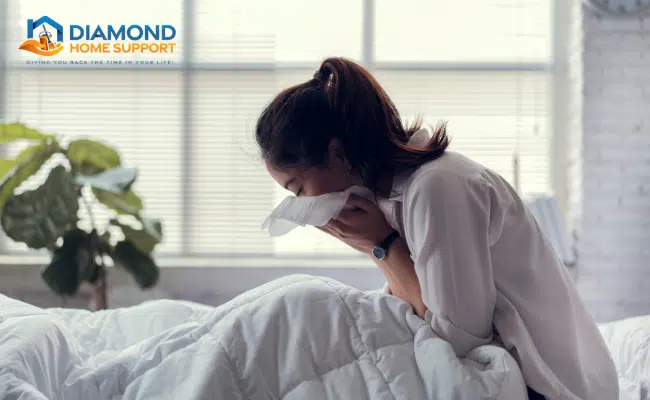
Allergies and asthma can make your life miserable, especially when it comes to getting a good night's sleep. The bedroom should be a sanctuary where you can relax and unwind, but if it's filled with allergens, it can trigger uncomfortable symptoms like sneezing, itching, and wheezing. In this article, we will discuss how you can reduce allergens in the bedroom and create a healthy sleeping environment.

What are common allergens in the bedroom?
Dust Mites
Dust mites are microscopic creatures that live in bedding, mattresses, and carpets. They thrive in warm and humid environments, and their droppings are a common trigger for allergies and asthma symptoms.
Pollen
Pollen is another common allergen found in the bedroom. It can easily be brought inside on your clothes or through open windows. Pollen can trigger allergic reactions, particularly in people with seasonal allergies.
Animal Dander
If you have pets, their dander can be a significant source of allergens in your bedroom. These tiny particles can become airborne and cause allergy symptoms, especially in individuals with pet allergies.
How can bedding contribute to allergies?
Pillows
Pillows can harbour dust mites and accumulate allergens over time. Choose hypoallergenic pillows that are resistant to dust mites and other allergens. Regularly washing and replacing pillows can also help reduce allergen exposure.
Mattresses
Like pillows, mattresses can also be a breeding ground for dust mites and accumulate allergens. If you suffer from allergies or asthma, consider investing in a dust mite-proof mattress cover. Additionally, regular vacuuming and steam cleaning can help reduce allergens in your mattress.
Washable Bedding
Using washable bedding, including sheets, blankets, and duvet covers, is useful for reducing allergens in the bedroom. Regularly washing your bedding in hot water can help eliminate dust mites and allergens.
How can carpets affect allergies?
Vacuuming Regularly
Dust mites and allergens accumulate in carpets, so it's important to vacuum regularly using a vacuum cleaner equipped with a HEPA filter. This will help reduce the number of allergens in your bedroom.
Choosing Low-Pile Carpets
High-pile carpets are more likely to harbour allergens and dust mites. If possible, consider replacing your carpets with low-pile options or even change to hardwood, laminate, or linoleum. These flooring materials are easier to clean and less likely to trap allergens.
Professional Carpet Cleaning
Professional carpet cleaning can help remove deep-seated dirt, dust, and allergens from your carpets. It's recommended to have your carpets professionally cleaned at least once a year to maintain a healthy indoor environment.
What other factors should be considered for an allergy-proof bedroom?
Blinds and Curtains
Blinds and curtains can accumulate dust and allergens over time. Choose washable curtains and regularly clean them to prevent allergen buildup. Additionally, consider opting for blinds instead of heavy fabric curtains to minimise allergen exposure.
Avoiding Rugs
Rugs can harbour dust mites and allergens, making them a breeding ground for allergy triggers. If possible, remove rugs from your bedroom or choose washable options.
Using HEPA Filters
HEPA filters can help trap airborne allergens and improve indoor air quality. Consider using a HEPA air purifier or HVAC filter in your bedroom to reduce allergen levels and provide cleaner air.

How can proper ventilation and air conditioning help reduce allergens?
Keeping Windows Closed
Keeping windows closed, especially during high pollen seasons, can help prevent pollen from entering your bedroom and triggering allergies. Use air conditioning or fans to circulate air while keeping allergens out.
Proper Air Conditioning Maintenance
Regularly maintaining your air conditioning system if you have one can improve indoor air quality and reduce allergens. Change filters regularly, clean air vents, and have your system serviced annually.
Controlling Humidity and Condensation
Humidity and condensation can create an ideal environment for mould and dust mites. Use a dehumidifier to control humidity levels in your bedroom, and fix any leaks or sources of excessive moisture.
By following these tips, you can create a bedroom environment that is less likely to trigger allergy symptoms and improve your overall sleep quality. Reduce allergens in your home, keep your bedroom clean and allergy-proof, and enjoy a good night's sleep free from pesky allergens.

7 Most Effective Tips for an Allergy-Proof Bedroom
Allergy-proofing your bedroom can significantly improve your sleep quality and overall health, especially if you're one of the millions who suffer from indoor allergies caused by dust mites, pet dander, pollen, or mould. Here are seven effective tips to create an allergy-proof bedroom:
1. Use Allergen-Proof Covers:
Encase your mattress, pillows, and duvet in allergen-proof covers. These covers are made of tightly woven fabric designed to prevent dust mites and other allergens from penetrating your sleeping area.
2. Wash Bedding Regularly:
Wash your sheets, pillowcases, and blankets at least once a week in hot water to kill dust mites and remove allergens. Ensure the water is at least 130°F (54°C) to effectively eliminate dust mites.
3. Keep the Air Clean:
Use a high-quality air purifier with a HEPA filter to capture airborne allergens such as pollen, pet dander, and dust mites. Make sure the air purifier is appropriately sized for your bedroom to ensure efficient air cleaning.
4. Reduce Humidity:
Dust mites and mould thrive in high-humidity environments. Use a dehumidifier to maintain indoor humidity levels between 30-50%. This can help reduce the growth of allergens in your bedroom.
5. Minimise Clutter:
Clutter can trap and hold dust and allergens. Keep your bedroom tidy and minimise surfaces where dust can accumulate. Opt for easy-to-clean furniture and keep books, knick-knacks, and clothes off the floor and stored away.
6. Choose Hard Flooring Over Carpet:
Carpets can harbour dust mites, pet dander, and other allergens. If possible, replace carpeting with hard flooring such as wood, laminate, or tile, which is easier to keep clean and allergen-free.
7. Regular Cleaning:
Vacuum the bedroom at least once a week with a vacuum cleaner equipped with a HEPA filter to pick up dust mites and other allergens from the floor and furniture. Dust surfaces with a damp cloth or an electrostatic duster to capture dust without spreading it into the air.
Implementing these tips can help reduce allergens in your bedroom, leading to a healthier sleeping environment and a better night's sleep.
Frequently Asked Questions
1. What are common allergens found in the bedroom?
Common bedroom allergens include dust mites, pet dander, pollen, and mould. These can thrive in bedding, carpets, upholstered furniture, and cluttered areas.
2. How do dust mites affect my health?
Dust mites are microscopic organisms that feed on human skin flakes. Their waste products can trigger allergic reactions such as sneezing, runny nose, itchy eyes, and asthma in sensitive individuals.
3. Are pets a big source of allergens in the bedroom?
Yes, pets can be a significant source of allergens due to their dander (dead skin flakes), saliva, and urine. Keeping pets out of the bedroom can help reduce exposure to these allergens.
4. Can pollen enter my bedroom?
Pollen can easily be brought into the bedroom through open windows, on clothes, and on pets. It's especially prevalent during certain times of the year when plants release pollen into the air.
5. How can I minimise mould growth in my bedroom?
To minimise mould growth, keep humidity levels between 30-50%, fix leaks promptly, use a dehumidifier if necessary, and clean surfaces regularly to remove mould spores.
6. How often should I wash my bedding to reduce allergens?
It's recommended to wash bedding at least once a week in hot water (at least 130°F) to kill dust mites and remove allergens.
7. Are there specific materials I should look for in hypoallergenic bedding?
Hypoallergenic bedding is often made from tightly woven fabric to prevent dust mites and other allergens from penetrating. Look for materials like organic cotton, silk, bamboo, or synthetic options designed for allergy sufferers.
8. Can air purifiers help with allergens in the bedroom?
Yes, air purifiers with HEPA filters can capture a high percentage of airborne allergens such as dust mites, pet dander, and pollen, helping to improve the air quality in your bedroom.
9. Should I remove the carpeting from my bedroom?
If possible, removing carpeting and replacing it with hardwood, tile, or laminate flooring can significantly reduce the number of allergens in your bedroom, as carpets can trap allergens more easily.
10. What are some daily habits to reduce allergens in the bedroom?
- Vacuum and dust your bedroom regularly using a vacuum with a HEPA filter and a damp cloth.
- Encase mattresses, pillows, and box springs in allergen-proof covers.
- Keep windows closed during high pollen seasons.
- Use a dehumidifier to maintain low humidity levels.
- Avoid storing items under the bed and declutter to reduce dust accumulation.
Take a look at some of our other blog articles:
How to Clean a Glass Shower Door Without Leaving Streaks
Should You Clean Before a Cleaner Comes?
How To Reduce Allergens In Your Bedroom
6 Reasons Why You Should Use Distilled Water When Cleaning
5 Tips For Cleaning Your Outdoor Furniture
3 Techniques For Cleaning Bathroom Tiles
How To Clean Windows Effectively
Find out about professional house cleaning services in your area and get the time back in your life! In some areas we can also offer home help services.