
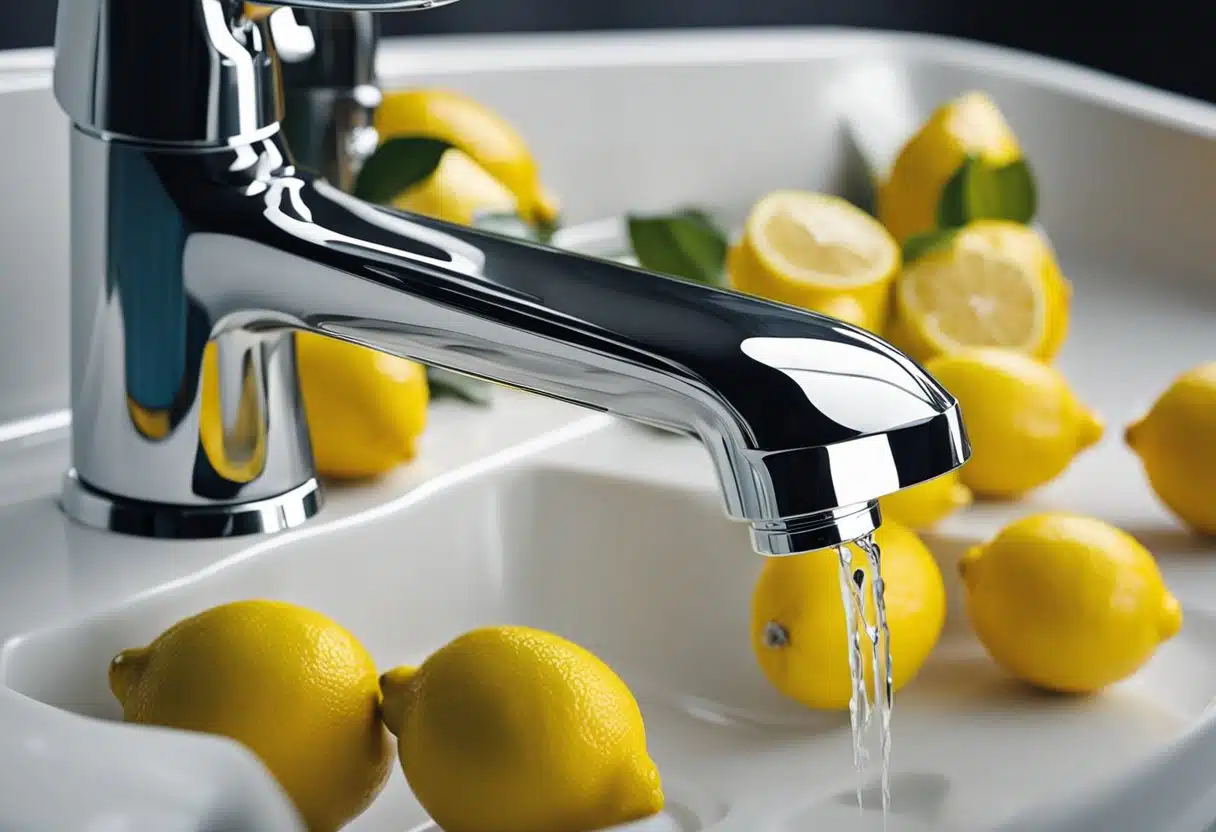
How to Remove Limescale on Your Taps With a Lemon: A Simple Solution
In this article we are going to explore how to remove limescale on your taps with a lemon.
Limescale, a stubborn build-up of calcium deposits, can be an unsightly problem for taps and bathroom fixtures. Not only does it detract from the overall aesthetic, but it can also lead to reduced water flow and potential damage over time. In an effort to eliminate limescale from taps, using a natural and cost-effective solution is ideal, and one such method involves the use of a common household item: the lemon.
The acidic properties of lemons make them highly effective at breaking down limescale and restoring the shine to taps. By applying lemon directly to the affected areas and allowing it to work its magic, limescale can be removed without the need for harsh chemical cleaners. This environmentally friendly approach not only keeps taps looking clean and well-maintained but also promotes a healthier living space free from the use of toxic substances.
In this article, the process of successfully removing limescale from taps using lemon will be discussed in detail, providing a simple yet efficient approach for homeowners to easily follow. It will cover the necessary steps and tools required to achieve a limescale-free finish, ensuring taps maintain their pristine appearance and optimal functionality.
The Science Behind Limescale
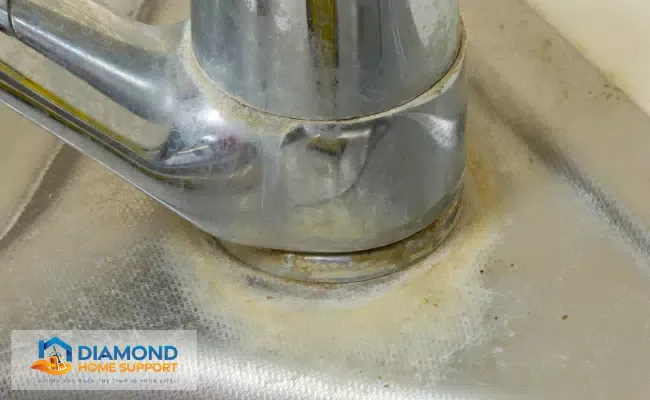
Limescale is a common occurrence in many households, especially in areas with hard water. Hard water contains high levels of minerals such as calcium and magnesium. When water comes into contact with surfaces, such as taps, these minerals can accumulate over time and form limescale deposits.
At its core, limescale is primarily composed of calcium carbonate. This is a naturally occurring compound found in various minerals. When hard water evaporates, the minerals left behind can react with soap, producing a hard, chalky substance called limescale.
To combat limescale, it's useful to understand the chemistry behind its removal. The key to breaking down calciumcarbonate lies in using acidic substances. Acids, like lemon juice, can react with the calcium carbonate in limescale, dissolving it and making it easier to remove from surfaces. This process is known as chelation, in which an acid binds to a metal ion, effectively dissolving the mineral deposits.
Lemons are an excellent natural choice for limescale removal, not only because they contain citric acid, which is effective in breaking down calcium carbonate, but also due to their eco-friendliness. By using a lemon to remove limescale, you can avoid introducing harsh chemicals into your home and reduce environmental impact.
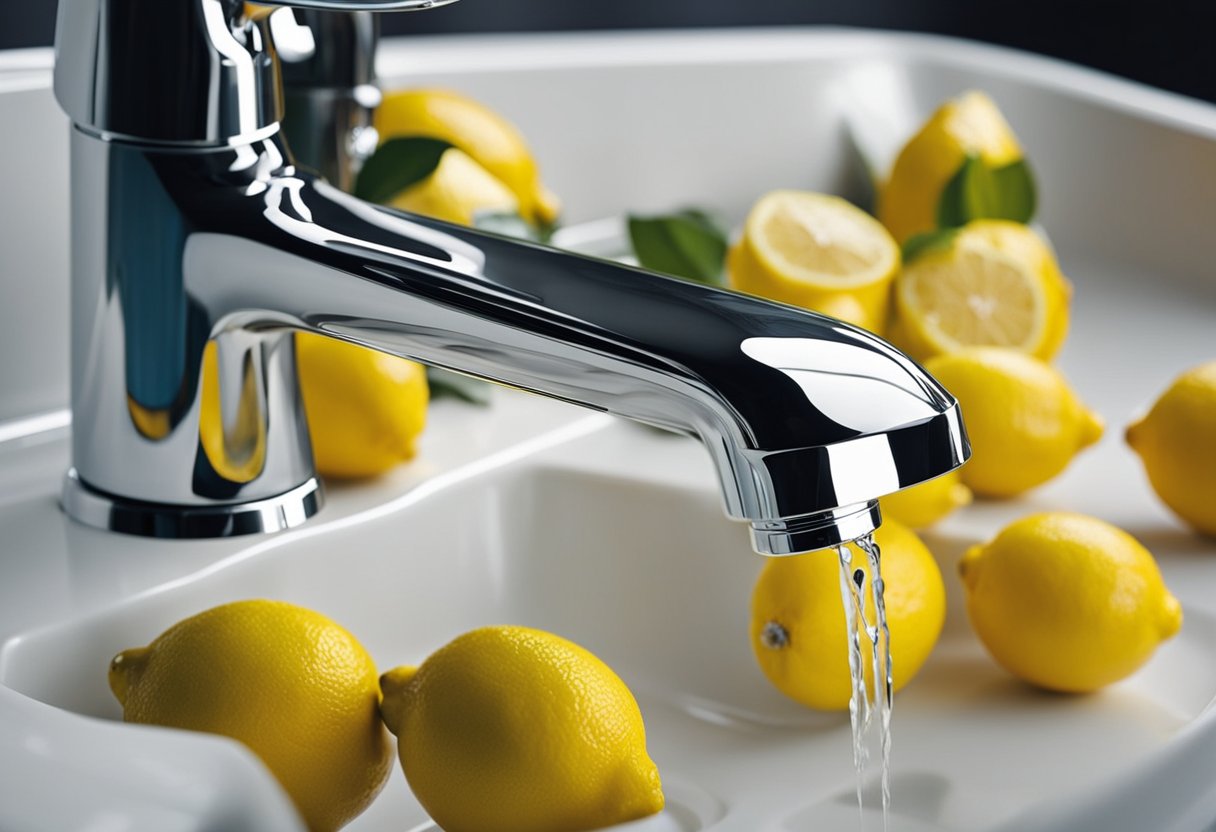
Step By Step Guide to Removing Limescale From Your Taps With A Lemon
Limescale can be an unsightly and persistent problem, particularly in areas with hard water. Removing limescale from your taps can improve the appearance of your kitchen and bathroom and may even contribute to reducing energy bills by improving the efficiency of your water flow. Lemon is effective at removing limescale. Not only that but using a lemon is a natural and effective method to tackle limescale. In this guide, we will outline a simple process to clean limescale from your taps using a lemon.
1. Gather the necessary items: Before you begin, gather the following items to ensure a smooth process:
- A whole lemon (preferably a large one)
- An old toothbrush
- Gloves
- A plastic bag
- A rubber band
2. Cut the lemon: First, cut the lemon into halves. Wearing gloves, squeeze one half of the lemon to release its juice onto the area affected by limescale. Rub the lemon half over the limescale, ensuring it gets into all the crevices and corners of the tap.
3. Use the old toothbrush: Next, get to work with the old toothbrush to scrub the tap, focusing on the areas with the most limescale buildup. The toothbrush will help to dislodge the limescale, while the lemon's citric acid will work to dissolve it. Make sure to wear gloves throughout the process to protect your hands.
4. Let it work: For stubborn limescale deposits, place the lemon half onto the tap, covering the affected area. Then, hold it in place with a rubber band or cover it with the plastic bag. Leave the lemon in place for at least one hour or longer if possible, allowing its natural acids to break down the limescale further.
5. Rinse and remove: Once the lemon has had time to work, remove it and rinse the tap thoroughly with clean water. You should see a noticeable difference in the appearance of your tap, with most limescale deposits removed.
If any stubborn limescale remains, you can use white vinegar as an alternative method. Simply follow the same steps as before, substituting vinegar for lemon juice.
By following this simple and eco-friendly process, you can effectively clean limescale from your taps, making them more efficient and maintaining a pleasant appearance in your kitchen and bathroom.
Other Useful Tips to Combat Limescale
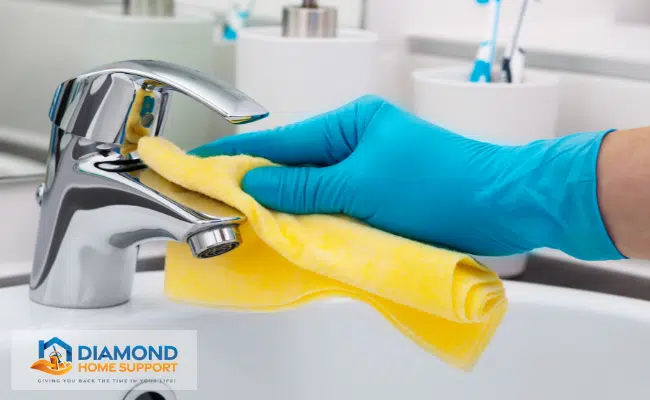
When dealing with limescale on taps, using a lemon is an effective and natural method for removal. However, there are other strategies that can be employed to keep limescale from forming and allowing taps to remain clean and shiny. Utilising these cleaning tips in a routine manner will help to significantly reduce limescale problems.
Regular cleaning with a mixture of water and baking soda can be applied to taps and basins to help prevent limescale buildup. This mixture acts as a mild abrasive and will remove stubborn stains without damaging the surface. In well-ventilated areas, the baking soda mixture will also help to combat mould and mildew development.
For persistent limescale issues, consider using a commercial cleaner designed specifically for limescale removal. Ensure that the cleaner is suitable for your taps' material, and follow the manufacturer's instructions for safe and effective use. Remember to rinse thoroughly after cleaning to avoid leaving any residue.
Maintaining good ventilation in bathrooms is crucial in reducing limescale and mould formation. Proper air circulation will help to evaporate water and reduce buildup on taps, tiles, and other surfaces where limescale may develop.
When cleaning kitchenware, dishwashers can be a convenient ally in tackling limescale. Regularly using dishwasher tablets with limescale-fighting agents will help to keep glassware and cutlery free from watermarks and limescale deposits. Additionally, cleaning the dishwasher's filter regularly will maintain its limescale combating efficiency.
Investing in a water softener can be a proactive measure to prevent limescale from forming in the first place. By reducing the hardness of the water, water softeners help to minimise the minerals responsible for limescale. This not only prolongs the life of your taps and appliances but can also reduce limescale-related issues throughout the home.
In summary, a combination of regular cleaning, using appropriate products, maintaining good ventilation, and investing in water softeners will help to dramatically reduce the presence of limescale on taps and other surfaces. Embracing these various strategies together will ensure a clean and limescale-free environment.
For more practical advice, explore our full kitchen cleaning guides.
Read some of our other "How To Clean" Blog articles:
How to Clean Oven Glass Without Using Harsh Chemicals
How To Get Rid Of Fruit Flies In The Kitchen
Clean Your House Fast: Hacks to Clean Your House Quickly!
Allergen-Free Home Cleaning Tips For Allergy Sufferers
The Best Homemade Glass Cleaners For Streak-Free Windows
How To Get Your Bras White Again
How To Polish A Stainless Steel Sink With Flour
How To Clean Your Barbecue Grills With An Onion
How To Clean Tea Stains From Mugs
How To Remove Pet Hair With Rubber Gloves
How to Stop Your Washing Machine From Smelling
Find out about Diamond Home Support's comprehensive cleaning services or home help services.