
Quick Answer: How to Clean an Oven Tray
To clean an oven tray, start by soaking it in very hot water with washing-up liquid for at least one hour. Light grease will usually wipe away after soaking. For thick, burnt-on residue, apply a paste of baking soda and water, leave it for 20–30 minutes, then scrub gently with a non-abrasive sponge. Always check whether the tray is stainless steel, enamel or non-stick before using stronger methods.
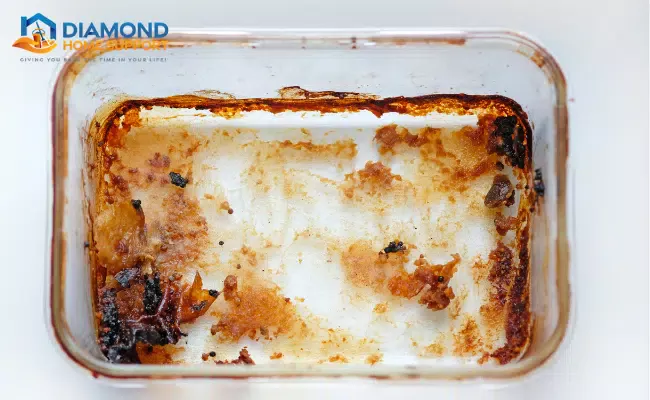
Step One. Identify the Type of Oven Tray
Most oven trays fall into one of these categories:
-
Stainless steel
-
Aluminium
-
Enamel coated
-
Non-stick
Stainless steel is the most durable.
Non-stick trays require the most care.
Enamel can chip if scraped aggressively.
If you are unsure, treat it as non-stick to avoid damage.
How to Clean an Oven Tray with Burnt Grease
For heavy, baked-on grease:
-
Place the tray in a sink or bath.
-
Fill with very hot water and a generous amount of washing-up liquid.
-
Leave to soak for at least one hour. Overnight is better.
After soaking, use a non-abrasive sponge to test a corner. If the residue lifts easily, continue gently across the surface.
If not, you need something stronger.
Baking Soda Method for Stubborn Residue
This works well on stainless steel and enamel.
-
Drain the tray.
-
Sprinkle a thick layer of baking soda across the surface.
-
Spray or pour a small amount of white vinegar over it.
-
Let the fizzing reaction sit for 20 to 30 minutes.
The reaction helps loosen burnt grease.
Afterwards, scrub gently with a non-scratch pad and rinse thoroughly.
Avoid this method on delicate non-stick coatings.
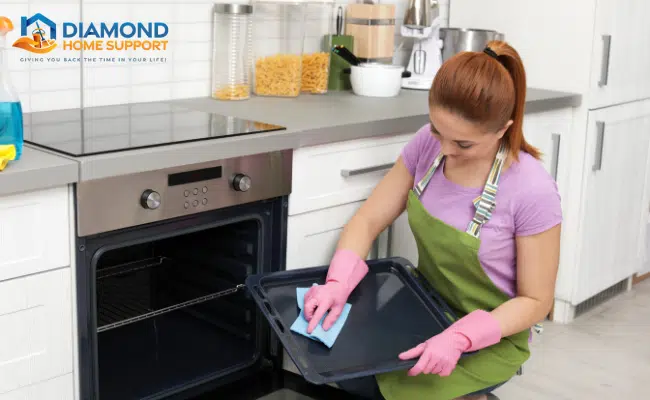
Cleaning a Burnt Oven Tray with Dishwasher Tablet
This method is popular but needs caution.
It is suitable for stainless steel trays only.
-
Place the tray flat.
-
Pour hot water over it.
-
Rub a dishwasher tablet across the surface while wearing gloves.
The tablet acts as a concentrated degreaser.
Do not use this on non-stick or enamel trays. It can strip the surface.
How to Clean a Non-Stick Oven Tray
Non-stick coatings scratch easily.
-
Soak in warm soapy water.
-
Use a soft cloth or sponge only.
-
Never use metal scourers.
-
Avoid strong chemical cleaners.
If the coating has bubbled or peeled, cleaning will not restore it. At that point, replacement is safer.
Removing Carbonised Burn Marks
For blackened patches that feel rough and solid:
-
Soak overnight.
-
Apply baking soda paste.
-
Cover with cling film to keep moisture in.
-
Leave several hours.
The aim is to soften the carbon layer gradually.
Avoid chiselling at it with sharp tools. That damages the tray permanently.
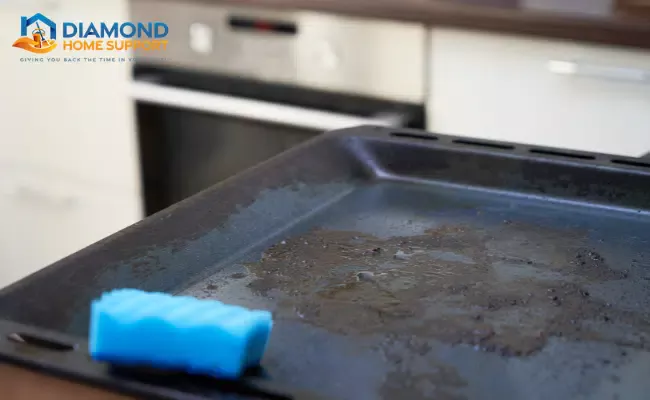
What Not to Use on an Oven Tray
-
Steel wool
-
Sharp knives
-
Caustic oven cleaner on non-stick
-
Bleach
-
High-pressure scraping
These can scratch, strip coatings or leave chemical residue.
Can You Put Oven Trays in the Dishwasher?
Some can. Many should not.
Repeated dishwasher cycles can:
-
Discolour aluminium
-
Weaken non-stick surfaces
-
Leave cloudy residue
If the manufacturer allows dishwasher use, it is safe. Otherwise, hand washing extends lifespan.
How to Prevent Oven Trays Becoming Heavily Burnt
Prevention reduces future effort.
-
Line trays with baking parchment or foil.
-
Wipe grease off while still warm, not hot.
-
Avoid letting spills bake repeatedly.
-
Wash promptly after use.
Burnt grease becomes harder to remove every time it is reheated.
When to Replace an Oven Tray
If the surface is:
-
Warped
-
Deeply scratched
-
Peeling
-
Rusting
Cleaning will not restore safe use.
Replacing a heavily damaged tray is often more economical than repeated scrubbing.
Frequently Asked Questions
How do you clean a badly burnt oven tray?
Soak overnight in hot soapy water, then use baking soda and gentle scrubbing. Avoid metal tools that can damage the surface.
What is the best way to clean an oven tray with thick grease?
Loosen grease with heat and soaking first. Then use baking soda or a dishwasher tablet method if the tray is stainless steel.
Can baking soda damage an oven tray?
It is safe for stainless steel and enamel when used gently. It should not be aggressively scrubbed on delicate coatings.
Why does my oven tray stay black after cleaning?
The black layer may be carbon staining rather than active grease. Staining is cosmetic and may not fully disappear.
Always follow the manufacturer’s cleaning guidance for your specific tray. Test any cleaning method on a small area first and avoid harsh abrasives. If in doubt, replacing a damaged tray is often safer than attempting aggressive restoration.
For more appliance-specific advice, see our complete kitchen cleaning guide.
Read some of our other "How To Clean" Blog articles:
How to Clean Oven Glass Without Using Harsh Chemicals
How To Get Rid Of Fruit Flies In The Kitchen
Clean Your House Fast: Hacks to Clean Your House Quickly!
Allergen-Free Home Cleaning Tips For Allergy Sufferers
The Best Homemade Glass Cleaners For Streak-Free Windows
How To Get Your Bras White Again
How To Polish A Stainless Steel Sink With Flour
How To Clean Your Barbecue Grills With An Onion
How To Clean Tea Stains From Mugs
How To Remove Pet Hair With Rubber Gloves
How to Stop Your Washing Machine From Smelling
Find out about Diamond Home Support's comprehensive cleaning services or home help services.