
Quick Answer: Bio or Non Bio Detergent?
Bio detergent contains enzymes that help break down stains such as grease, sweat and food. Non bio detergent does not contain enzymes. Bio usually performs better at lower temperatures and on heavier stains. Non bio is often chosen for sensitive skin or baby clothes. The best option depends on what you are washing and who is wearing it.
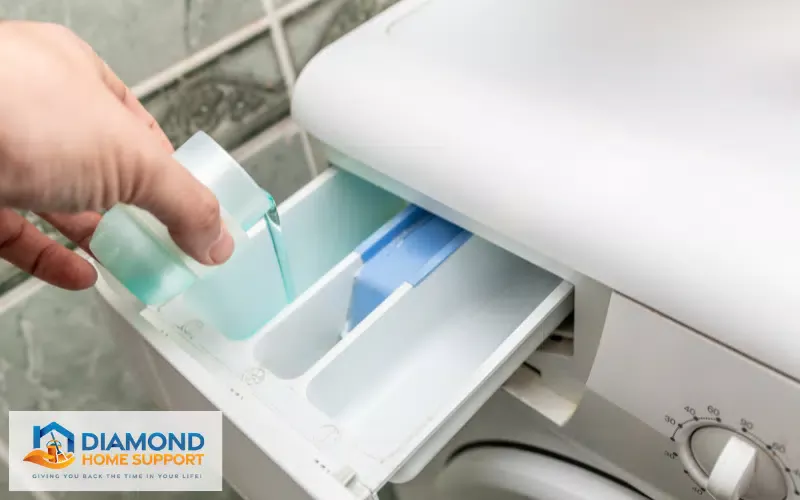
What Does “Bio” Mean in Laundry Detergent?
“Bio” is short for biological. It refers to the enzymes added to the detergent formula.
Enzymes are proteins that target specific types of stains:
-
Protease breaks down protein stains such as blood, sweat and egg.
-
Lipase tackles oily and greasy marks.
-
Amylase works on starchy residues like sauces or pasta water.
These enzymes help loosen stains so they rinse away more easily, particularly in cooler washes such as 30°C. That is one reason bio detergents are often promoted as effective in modern energy-saving cycles.
What Is Non Bio Detergent?
Non bio detergent does not contain these added enzymes. It still cleans clothes using surfactants and other cleaning agents, but it relies more on agitation and temperature to remove tougher stains.
Non bio products are commonly marketed as being gentler on skin. Many parents prefer non bio for newborn clothing, and people with eczema or easily irritated skin often start there.
It is worth noting that fragrance can also cause irritation. A scented non bio detergent may still trigger sensitivity for some people.

Bio vs Non Bio. Side-by-Side Comparison
Is Bio or Non Bio Better for Sensitive Skin?
There is no universal answer.
Some people wash in bio for years without any reaction. Others notice irritation almost immediately. Skin type, existing conditions and fragrance all play a part.
If someone in your household has eczema or very reactive skin, starting with a fragrance-free non bio detergent is sensible. If no irritation occurs, you may prefer to stick with it. If stains remain a problem, you could use bio for heavily soiled items only.
A simple patch test on one garment can help you decide.
Which Works Better at Lower Temperatures?
Bio detergents generally perform better at lower temperatures because enzymes are designed to work effectively in cooler water.
Non bio detergents may need warmer cycles to remove tougher marks fully. If you mainly wash at 30°C to save energy, bio often gives stronger stain removal results.
That said, for lightly worn clothing, both types usually perform perfectly well in a standard cycle.
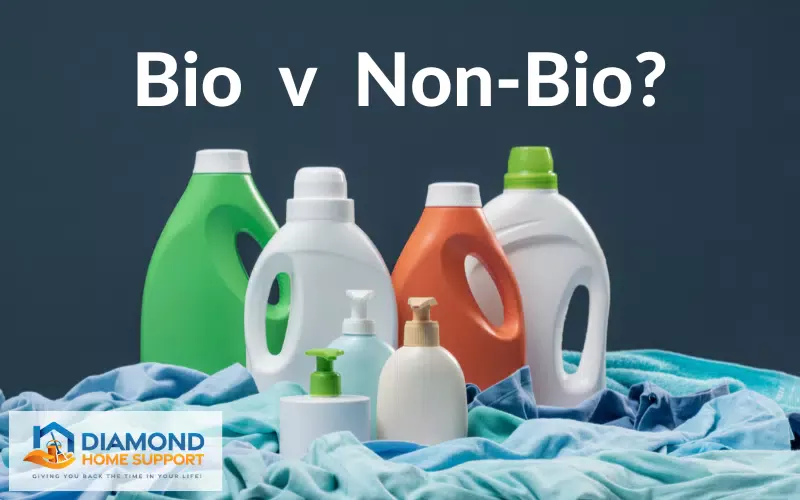
When Should You Choose Bio?
Bio detergent may be the better choice when:
-
Clothes are heavily stained.
-
Children’s school uniforms come home messy.
-
Sportswear carries sweat and odour.
-
Greasy kitchen cloths need washing.
The enzymes give it an edge in breaking down stubborn residue.
When Should You Choose Non Bio?
Non bio may suit you better when:
-
Someone has sensitive or allergy-prone skin.
-
You are washing baby clothes.
-
Laundry is lightly soiled.
-
You prefer to avoid enzymes as a precaution.
For everyday clothing that is not heavily marked, many households notice little difference in cleaning results.
Common Myths About Bio and Non Bio
“Bio ruins clothes.”
There is no strong evidence that bio damages fabrics when used correctly. Modern formulations are designed to be safe for standard textiles.
“Non bio does not clean properly.”
Non bio cleans effectively for normal laundry. It may simply struggle more with heavy staining.
“Bio always causes rashes.”
Some people react to enzymes. Many do not. Fragrance and fabric softeners are also common irritants.
Does Water Hardness Make a Difference?
In hard water areas, minerals can reduce detergent effectiveness. Both bio and non bio can be affected.
Bio may still hold a slight advantage in stain breakdown due to enzyme action, but correct dosing matters more than the label. Using too little detergent in hard water will limit performance regardless of type.
Should You Switch Between the Two?
Many households use both.
For example:
-
Bio for towels, bedding and heavily used items.
-
Non bio for underwear, baby clothes or sensitive skin garments.
There is no rule that says you must commit to one permanently.
Final Verdict. Which One Should You Use?
If stain removal and low-temperature efficiency matter most, bio detergent usually performs better.
If skin comfort is your priority, non bio is often the safer starting point.
For many families, the decision comes down to lifestyle. Heavily soiled laundry leans towards bio. Light, everyday washing or sensitive skin leans towards non bio.
Testing both on your own laundry is often the simplest way to decide what works best in your home.
Always follow the manufacturer’s instructions on garment care labels and detergent packaging. Using the correct dose and temperature is essential. If in doubt, test on a small area first. For delicate fabrics or specialist cleaning needs, consider professional cleaning support.
Are you looking for more help around the home? Take a look at our home cleaning services and see what we can do to help. In some areas we also offer laundry services.
Read some of our other "How To Clean" Blog articles:
How to Clean Oven Glass Without Using Harsh Chemicals
How To Get Rid Of Fruit Flies In The Kitchen
Clean Your House Fast: Hacks to Clean Your House Quickly!
Allergen-Free Home Cleaning Tips For Allergy Sufferers
The Best Homemade Glass Cleaners For Streak-Free Windows
How To Get Your Bras White Again
How To Polish A Stainless Steel Sink With Flour
How To Clean Your Barbecue Grills With An Onion
How To Clean Tea Stains From Mugs
How To Remove Pet Hair With Rubber Gloves
How to Stop Your Washing Machine From Smelling
Find out about Diamond Home Support's comprehensive cleaning services or home help services.