
Introduction
A clean cooker hood is important for maintaining a healthy and hygienic kitchen environment, but it also looks so much better! Over time, as the hood works to extract smoke, steam, and greasy fumes, it accumulates dirt, grease and grime. Regular maintenance not only helps keep the appliance functioning efficiently but also prevents the buildup of unwanted odours and ensures that the air circulated throughout your kitchen remains clean and fresh.
Cleaning your cooker hood may seem like a difficult task, but with a few simple tips and the right cleaning products, it can be accomplished with ease. Additionally, some modern cooker hoods come with features like dishwasher-safe filters and smooth surfaces designed for easy cleaning, significantly reducing the effort required in maintenance.
In this article, we will explore various methods and techniques to effectively clean and maintain your cooker hood, covering topics such as filter care, surface cleaning, and preventative measures to ensure that it remains in top working condition. So, let's dive into the process and learn the best practices for keeping your cooker hood sparkling clean and functioning at its best.

Understanding Your Cooker Hood & Extractor Fan
A cooker hood is important in your kitchen because it helps remove excess smoke, steam, and cooking smells, maintaining a pleasant environment while you cook. There are two main types of cooker hoods - vented and recirculating.
Vented cooker hoods are designed to extract the air from your kitchen and expel it outside. They are connected to an external duct that ensures the unwanted air is expelled, making these hoods highly efficient. However, they may require professional installation and may not be suitable for all types of kitchens.
Recirculating cooker hoods, on the other hand, filter the air and release it back into the kitchen. These hoods use carbon or charcoal filters to remove grease and unwanted smells before circulating clean air back into the room. They are generally easier to install compared to vented hoods since they don't need to be connected to an external duct. However, their filters need to be changed more frequently to maintain efficiency.
Regardless of the type of cooker hood you have, it will usually contain an extractor fan and a filter system. The extractor fan is responsible for drawing air from the cooking area, while the filter system (consisting of metallic, grease, or carbon filters) helps to remove any grease particles or unpleasant smells from the air.
It is important to familiarise yourself with your specific cooker hood model, as different manufacturers may have different maintenance instructions and requirements. Reading through the manufacturer's guidelines will provide you with valuable information that can help increase the longevity of your appliance and ensure proper maintenance of the filters.
In the case of metallic and grease filters, it is advisable to clean them every 2-3 months, or more frequently if you do a lot of frying. Regular cleaning will not only improve the performance of your cooker hood but also prevent the buildup of mould and bacteria, ensuring a healthy cooking environment. And for recirculating cooker hoods with carbon or charcoal filters, make sure to replace them as recommended by the manufacturer's guidelines.
By understanding your cooker hood's features and maintenance requirements, you can ensure it operates efficiently and keeps your kitchen clean and fresh. Remember to refer to your manufacturer's guidelines and follow the recommended practices to keep your appliance in top condition.
Prepare For Cleaning
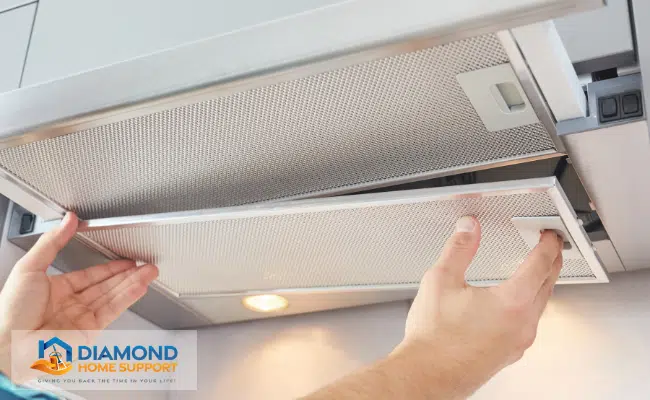
Before beginning the process of cleaning your cooker hood, it is useful to prepare the area and gather the necessary cleaning supplies. Firstly, ensure the appliance is switched off at the mains power source. This is an essential safety step in preventing any accidental injuries or electrical issues.
Next, examine your kitchen space and clear any obstructions or clutter around the cooker hood. This will create a safer and more organised workspace, making it easier to manoeuvre and complete the cleaning task. Remove any pots, pans, and utensils from the hob and surrounding area to avoid any accidental spills or damage.
It is important to have proper lighting while cleaning the cooker hood. Make sure the kitchen lights are on, and if needed, use additional task lighting to illuminate the cooker hood and its components. This will maximise visibility and ensure all grease and dirt are addressed during the cleaning process.
Gather the necessary cleaning supplies and equipment for the task. This may include a non-abrasive detergent, warm water, a soft brush or sponge, a lint-free cloth, and possibly a vacuum cleaner for removing loose debris from the hood vents. By having all the required materials at hand, the cleaning process will run smoother and more efficiently.
With the area and materials prepared, you are now ready to start cleaning your cooker hood. Proceed with caution, following the specific cleaning instructions for your model, and enjoy a clean, grease-free cooking environment.
Cleaning The Cooker Hood Exterior
A cooker hood's exterior will accumulate grease, grime, and dust over time. To maintain optimal performance and appearance, it is essential to clean these surfaces regularly. This section provides guidance on effectively cleaning stainless steel and glass cooker hoods.
To begin with, gather the necessary cleaning materials. It is essential to use a non-abrasive cleaner to prevent damaging the surface. For stainless steel cooker hoods, a stainless steel cleaner is recommended. Alternatively, baby oil can be used as it helps to remove and prevent fingerprints, smudges, and dirt buildup. For glass surfaces, a glass cleaner or a mixture of vinegar and water would suffice. Additionally, a microfibre cloth is recommended for wiping down surfaces, as it minimises the risk of scratches and effectively picks up dirt and grease.
When starting the cleaning process, ensure that the cooker hood is switched off and disconnected from the power supply for safety. Apply a small amount of cleaner to the microfibre cloth, avoiding spraying directly onto the surface. Gently wipe the cooker hood's exterior, paying attention to corners and edges where grease may accumulate. It is crucial not to press too hard, as doing so could cause damage to the surface. Regularly rinse the cloth in warm water to remove grease and grime and continue cleaning until the desired level of cleanliness is achieved. If using baby oil on stainless steel surfaces, apply a small amount to the cloth and buff the surface in a circular motion to achieve a polished finish.
Finally, inspect the bulb cover, which may require cleaning due to dust or grease accumulation. Gently remove the cover, being cautious not to damage any electronic components, and clean with an appropriate cleaner. Once thoroughly cleaned, dry the cover and carefully reinstall it, ensuring it is secure.
Cleaning and Replacing Filters in Your Extractor Fan
Cooker hoods play an essential role in the kitchen, eliminating cooking odours and reducing grease in the air. To ensure proper functioning, it is vital to regularly clean and replace the filters within the hood. These filters include grease filters, carbon filters, and paper or metal filters, which all contribute to maintaining a clean and odour-free kitchen environment.
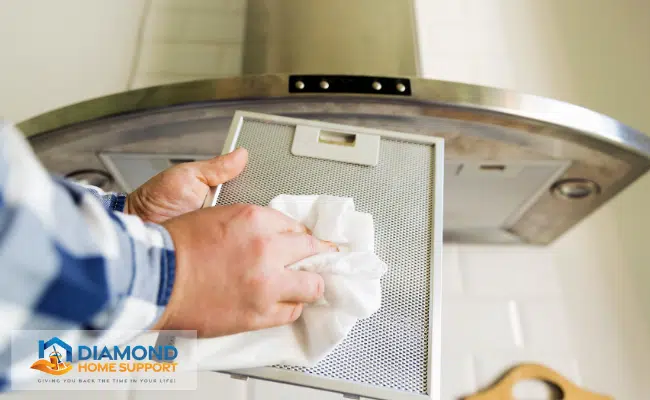
Before beginning the cleaning process, always consult your cooker hood's manual for specific instructions regarding filter removal and cleaning methods. Generally, grease filters can be easily removed from the hood and soaked in hot soapy water for approximately 30 minutes. This loosens built-up grime, making it easier to remove with a soft brush or toothbrush. Gently scrub the filter's surface, avoiding abrasive materials to prevent damage. Rinse the filter thoroughly with clean water and allow it to dry completely before reinstalling.
For a deeper clean and to eliminate stubborn greasy residue, opt for a soaking solution made from white vinegar, bicarbonate of soda, or baking soda. These natural cleaning agents help dissolve grease and discolouration without causing harm to the filters.
Carbon filters, typically used in cooker hoods for recirculating air rather than venting it outside, should also be cleaned and replaced according to the manufacturer's instructions.
Metal filters, like grease filters, can be soaked in hot soapy water and cleaned using a soft toothbrush. However, some metal filters may also be dishwasher safe, so it is essential to check the manufacturer's guidelines before proceeding.
Paper and charcoal filters should be replaced periodically, as they cannot be cleaned or regenerated. An insufficient or discoloured paper filter reduces the cooker hood's efficiency and may even pose a fire risk.
Maintaining the cleanliness of your cooker hood filters is essential for the appliance's overall performance. Regularly cleaning and replacing various filters, such as grease, carbon, and paper, ensure proper air filtration and a safer, more pleasant cooking environment in your kitchen.

Cleaning and Replacing Filters in Your Extractor Fan
Cooker hoods play an essential role in the kitchen, eliminating cooking odours and reducing grease in the air. To ensure proper functioning, it is vital to regularly clean and replace the filters within the hood. These filters include grease filters, carbon filters, and paper or metal filters, which all contribute to maintaining a clean and odour-free kitchen environment.
Before beginning the cleaning process, always consult your cooker hood's manual for specific instructions regarding filter removal and cleaning methods. Generally, grease filters can be easily removed from the hood and soaked in hot soapy water for approximately 30 minutes. This loosens built-up grime, making it easier to remove with a soft brush or toothbrush. Gently scrub the filter's surface, avoiding abrasive materials to prevent damage. Rinse the filter thoroughly with clean water and allow it to dry completely before reinstalling.
For a deeper clean and to eliminate stubborn greasy residue, opt for a soaking solution made from white vinegar, bicarbonate of soda, or baking soda. These natural cleaning agents help dissolve grease and discolouration without causing harm to the filters.
Carbon filters, typically used in cooker hoods for recirculating air rather than venting it outside, should also be cleaned and replaced according to the manufacturer's instructions.
Metal filters, like grease filters, can be soaked in hot soapy water and cleaned using a soft toothbrush. However, some metal filters may also be dishwasher safe, so it is essential to check the manufacturer's guidelines before proceeding.
Paper and charcoal filters should be replaced periodically, as they cannot be cleaned or regenerated. An insufficient or discoloured paper filter reduces the cooker hood's efficiency and may even pose a fire risk.
Maintaining the cleanliness of your cooker hood filters is essential for the appliance's overall performance. Regularly cleaning and replacing various filters, such as grease, carbon, and paper, ensure proper air filtration and a safer, more pleasant cooking environment in your kitchen.
Read some of our other "How To Clean" Blog articles:
How to Clean Oven Glass Without Using Harsh Chemicals
How To Get Rid Of Fruit Flies In The Kitchen
Clean Your House Fast: Hacks to Clean Your House Quickly!
Allergen-Free Home Cleaning Tips For Allergy Sufferers
The Best Homemade Glass Cleaners For Streak-Free Windows
How To Get Your Bras White Again
How To Polish A Stainless Steel Sink With Flour
How To Clean Your Barbecue Grills With An Onion
How To Clean Tea Stains From Mugs
How To Remove Pet Hair With Rubber Gloves
How to Stop Your Washing Machine From Smelling
Find out about Diamond Home Support's comprehensive cleaning services or home help services.